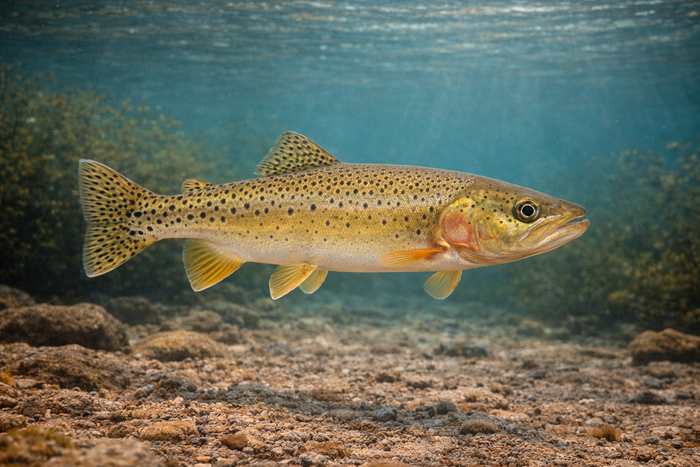
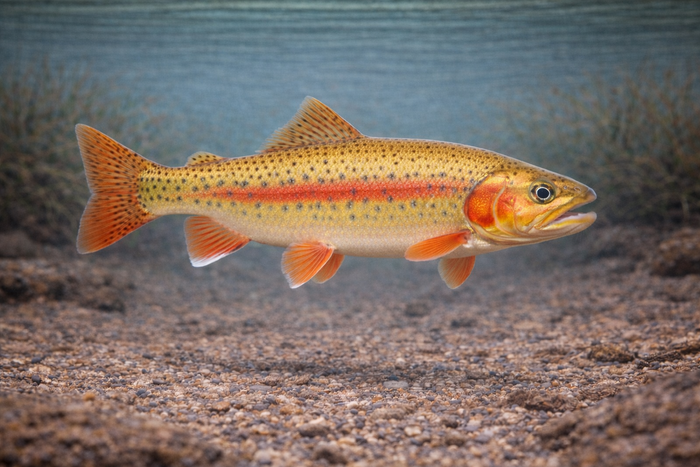
Steelhead (Oncorhynchus mykiss): The Wild Rainbow That Defies Expectations
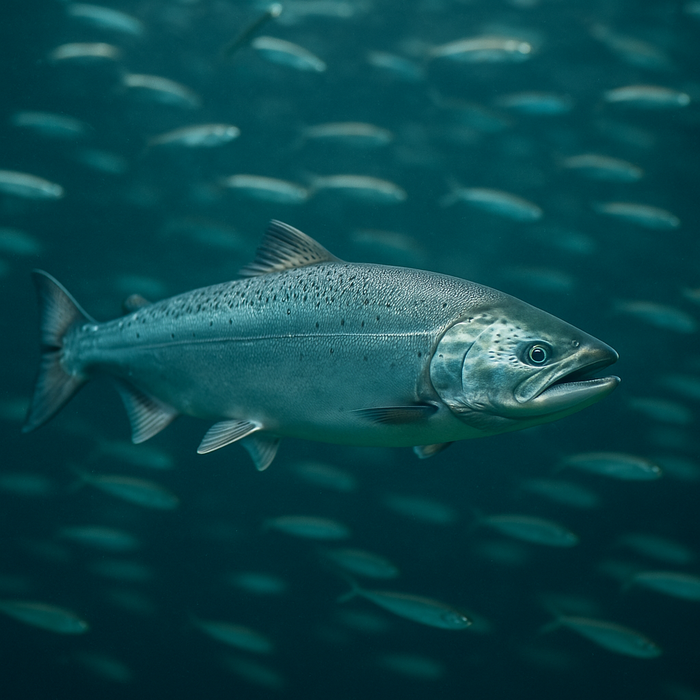
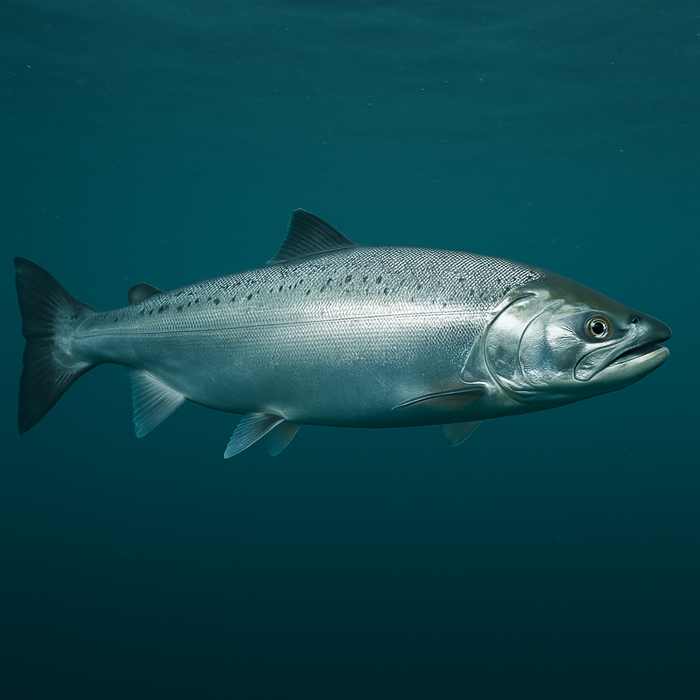
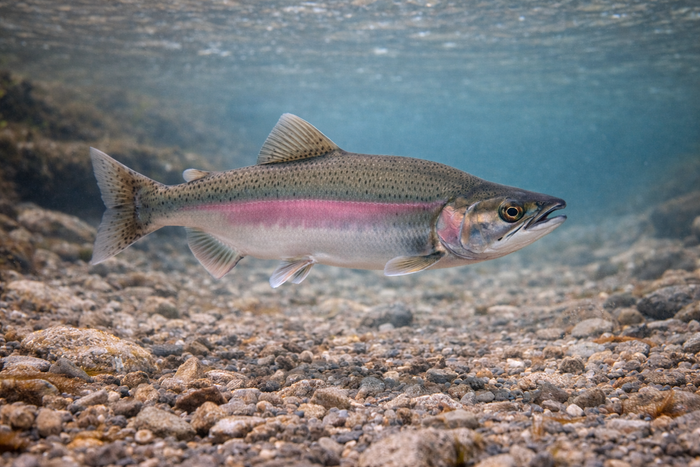
Steelhead are the anadromous cousins of the rainbow trout, known for their epic migrations and fierce fight. These fish don’t just swim upstream; they rewrite the rules of freshwater and saltwater survival. Steelhead are a trophy species for anglers and a vital piece of aquatic ecosystems. Understanding their biology, behavior, and challenges is key to appreciating why they command respect in the fishing world and beyond.
What Makes the Steelhead Unique?
Steelhead are unique because they blur the line between freshwater and ocean life. Unlike their rainbow trout relatives that stay put in rivers and lakes, steelhead migrate to the ocean, grow large, then return to freshwater to spawn. This dual lifestyle demands extraordinary adaptability. Their physiology shifts to handle saltwater’s harsh conditions, then flips back for freshwater spawning. This flexibility is rare and makes steelhead a biological marvel.
Steelhead also exhibit remarkable genetic diversity. Some populations spawn multiple times, a trait uncommon among Pacific salmon. This repeat spawning ability means steelhead can survive to fight another day, adding complexity to their life cycle and resilience to environmental pressures.
Habitat & Global Range
Steelhead habitat spans the cold, clear rivers and streams of the Pacific Northwest, from California up through Alaska, and across parts of Asia’s Russian Far East. Their range includes coastal river systems that connect to the North Pacific Ocean. The key to their habitat is access to both freshwater spawning grounds and productive ocean feeding areas.
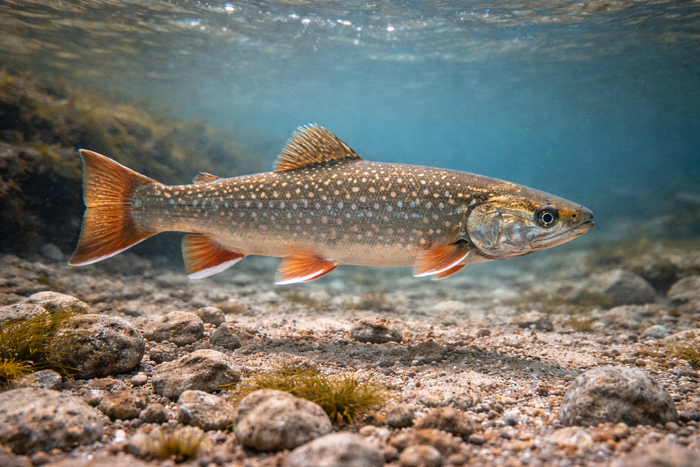
Steelhead habitat requires clean, oxygen-rich water with gravel beds for spawning. Juveniles spend one to three years in freshwater before heading to the ocean, where they grow rapidly. The ocean phase can last one to four years, depending on the population and environmental conditions. This dual habitat dependency makes steelhead vulnerable to threats in both freshwater and marine environments.
Behavior & Temperament
Steelhead behavior is a masterclass in survival strategy. Their anadromous migration is a grueling journey upstream, often leaping over obstacles and battling currents that would stop lesser fish. This journey is not just about reaching spawning grounds; it’s about timing. Steelhead can delay spawning for months, waiting for optimal conditions, which is unusual among Pacific salmon.
Temperament-wise, steelhead are notoriously elusive and unpredictable. They don’t fall for the same tricks twice, and their feeding patterns can change daily. This makes them a prized challenge for anglers who need skill, patience, and adaptability. In the wild, steelhead are opportunistic feeders, eating insects, crustaceans, and smaller fish, adjusting their diet based on availability.
Ecological Importance
Steelhead play a crucial role in linking marine and freshwater ecosystems. When they return to spawn, they bring ocean-derived nutrients upstream, enriching river habitats. Their carcasses feed a host of wildlife, from bears to birds to aquatic invertebrates, creating a nutrient cycle that supports biodiversity.
As predators and prey, steelhead maintain balance in their ecosystems. Juvenile steelhead control insect populations, while adults serve as food for larger predators. Their presence indicates healthy river systems, making them a valuable bioindicator for environmental monitoring.
Conservation & Environmental Pressures
Steelhead face a gauntlet of challenges. Habitat degradation from logging, agriculture, and urban development has reduced spawning and rearing areas. Dams block migration routes, disrupting their life cycle. Water pollution and rising temperatures from climate change add stress, reducing survival rates.
Overfishing and hatchery practices have also impacted wild steelhead genetics and population dynamics. Hatchery fish can compete with wild steelhead, sometimes diluting genetic diversity. Conservation efforts focus on habitat restoration, dam removal or modification, and stricter fishing regulations to protect wild stocks.
Steelhead recovery is complex because of their dual habitat needs and diverse life histories. Successful conservation requires coordinated efforts across freshwater and marine environments, involving multiple stakeholders from government agencies to local communities.
The FishyAF Take
Steelhead are the ultimate test of an angler’s skill and a symbol of wild resilience. Their ability to thrive in two worlds, freshwater and ocean, sets them apart from most other game fish. But this adaptability doesn’t make them invincible. Steelhead habitat is shrinking, and their populations are under pressure from human activity and climate change.
If you want to understand the pulse of Pacific Northwest rivers, start with steelhead facts. These fish are not just trophies; they are indicators of ecosystem health and a reminder that wild things need wild places. Protecting steelhead habitat means protecting the broader environment that supports countless species, including ourselves.
For anglers, steelhead offer a challenge that’s part science, part art. They demand respect, knowledge, and a willingness to adapt. For conservationists, they represent a complex puzzle that requires smart, coordinated solutions. Steelhead are not just fish; they are a legacy of wild waters and a call to action for anyone who values the natural world.