Coho Salmon (Oncorhynchus kisutch): The Silver Bullet of the Pacific Northwest Waters
The Coho Salmon is no wallflower in the world of game fish. Known for its striking silver sheen and explosive fight, this species commands respect from anglers and ecologists alike. It’s a fish that embodies resilience and raw power, making it a standout among Pacific salmon. Whether you’re chasing Coho Salmon facts or scouting prime Coho Salmon habitat, understanding this species means diving into a story of survival, migration, and ecological significance.
What Makes the Coho Salmon Unique?
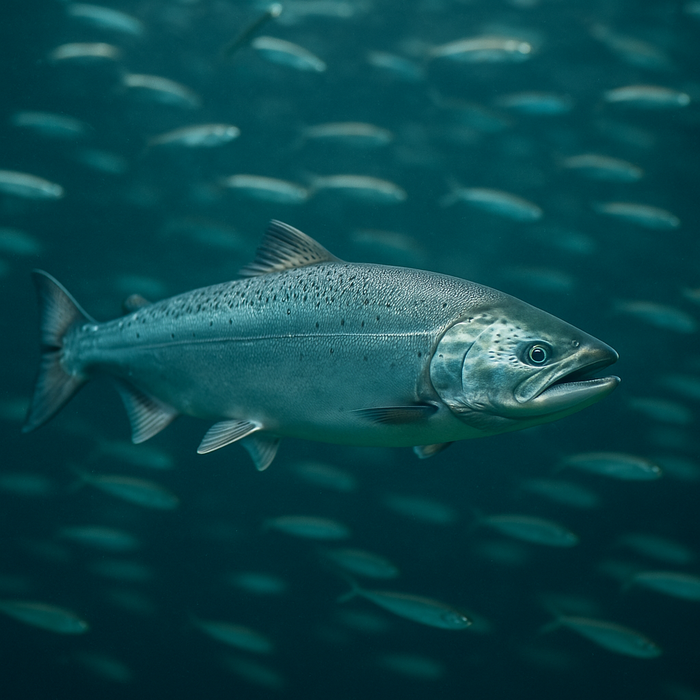
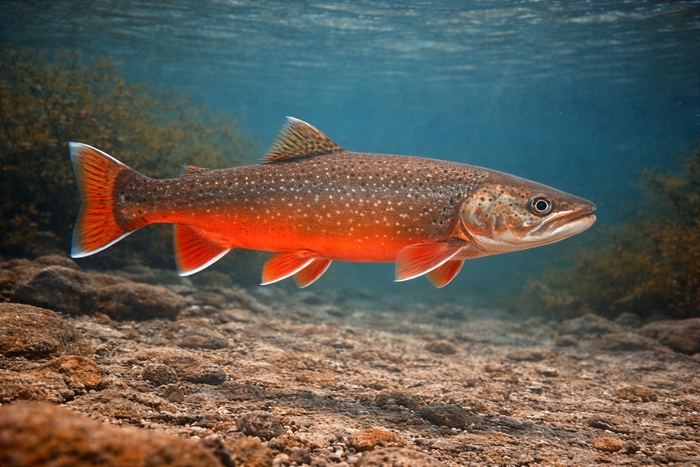
Coho Salmon, often called silver salmon, are distinguished by their brilliant silver sides and dark blue backs. But their appearance is just the start. When spawning, males develop hooked jaws and bright red sides, a dramatic transformation that signals their readiness to reproduce. This species is known for its aggressive behavior during the spawning run, making it a thrilling catch.
Unlike some of its salmon cousins, Coho have a relatively short freshwater residency before heading to the ocean, typically spending one to two years in rivers before migrating. Their ocean phase lasts about 18 months, during which they bulk up and prepare for the arduous journey back to their natal streams. This lifecycle strategy balances freshwater and marine survival challenges, showcasing their adaptability.
Habitat & Global Range
Coho Salmon are native to the North Pacific Ocean and the river systems that drain into it. Their range stretches from central California up through Alaska and across to parts of Russia and Japan. The prime Coho Salmon habitat includes cool, clear streams and rivers with gravel beds essential for spawning. They prefer waters with ample cover like woody debris and overhanging vegetation, which provide shelter for juveniles.
The species thrives in temperate climates where freshwater and ocean environments meet. Coastal estuaries serve as critical transition zones for young Coho moving from freshwater to saltwater. The quality of these habitats directly impacts their survival rates, making habitat conservation a top priority.
Behavior & Temperament
Coho Salmon are fighters. When hooked, they exhibit acrobatic leaps and powerful runs that test an angler’s skill and endurance. Their aggressive feeding habits in the ocean make them voracious predators, primarily feeding on smaller fish and squid. In freshwater, juveniles are territorial and fiercely protective of their feeding areas.
During spawning, Coho display intense competition. Males battle for dominance, often using their hooked jaws as weapons. This aggressive behavior ensures only the strongest genes get passed on, a brutal but effective natural selection process.
Ecological Importance
Coho Salmon are a keystone species in their ecosystems. Their spawning runs deliver vital nutrients from the ocean back to freshwater systems, enriching the soil and supporting a wide range of wildlife, from bears to birds to aquatic insects. This nutrient transfer fuels entire food webs and helps maintain the health of riparian environments.
Their presence also supports commercial and recreational fisheries, contributing significantly to local economies. The Coho’s role as both predator and prey helps balance marine and freshwater ecosystems, making their survival crucial for ecological stability.
Conservation & Environmental Pressures
Despite their resilience, Coho Salmon face mounting challenges. Habitat degradation from logging, urban development, and agriculture has reduced the quality and availability of spawning and rearing areas. Pollution and water temperature increases from climate change further stress populations.
Overfishing and bycatch have also taken their toll, though many fisheries now implement stricter regulations to protect Coho stocks. Hatchery programs attempt to supplement wild populations, but these come with genetic and ecological trade-offs.
Restoration efforts focus on improving stream habitats, removing barriers to migration like dams, and monitoring water quality. The future of Coho Salmon depends on coordinated conservation strategies that address both freshwater and marine threats.
The FishyAF Take
Coho Salmon are the epitome of a fish worth chasing. Their combination of beauty, power, and ecological importance makes them a flagship species for conservation and sport fishing. Understanding Coho Salmon facts and their habitat needs isn’t just trivia—it’s a call to action for preserving the wild places these fish depend on.
If you want a fish that tests your skills and connects you to the pulse of Pacific ecosystems, Coho Salmon are your target. But remember, their survival hinges on more than just angler respect—it requires real commitment to protecting their rivers and oceans. Fish smart, fish informed, and never underestimate the silver bullet of the Pacific Northwest.