Hofer Rainbow Trout (Oncorhynchus mykiss): The Flashy Fighter of Freshwater Streams
The Hofer Rainbow Trout is not your average trout. A striking variant of the widely known rainbow trout species, this fish stands out with its vibrant coloration and aggressive spirit. Anglers and biologists alike are drawn to its bold presence in freshwater ecosystems. If you’re diving into Hofer Rainbow Trout facts, prepare to meet a fish that combines visual flair with ecological significance.
What Makes the Hofer Rainbow Trout Unique?
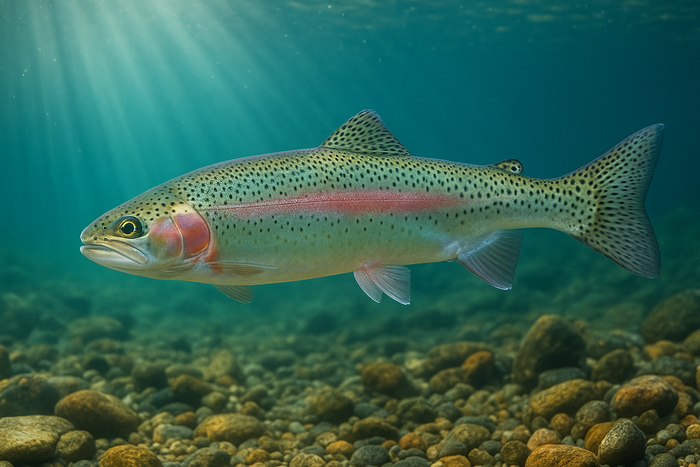
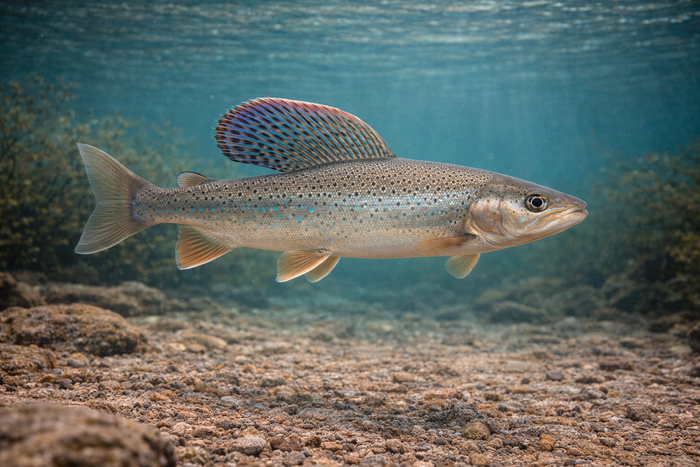
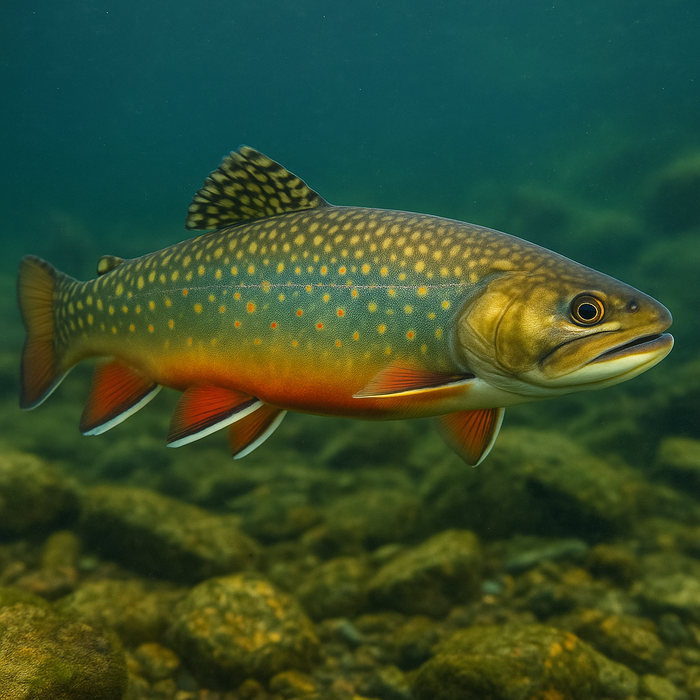
The Hofer Rainbow Trout is a genetic variant of Oncorhynchus mykiss, distinguished by its intensified coloration and distinctive spotting patterns. Unlike standard rainbow trout, Hofer variants often display deeper reds along the lateral line and more pronounced iridescence, making them a prized catch. Their size and growth rates can also differ slightly due to selective breeding or localized environmental factors.
This trout’s uniqueness isn’t just skin-deep. The Hofer Rainbow Trout exhibits a robust constitution, often thriving in conditions where other trout might falter. Their adaptability to varying water temperatures and oxygen levels sets them apart. These traits make the Hofer Rainbow Trout a fascinating subject for fisheries management and aquaculture.
Habitat & Global Range
Hofer Rainbow Trout habitat is primarily freshwater streams, rivers, and lakes with cool, well-oxygenated water. Native to the Pacific Northwest of North America, their range has expanded through stocking programs and natural migration. Today, you can find them in various parts of the United States, Europe, and even parts of Asia.
These trout prefer clear, fast-flowing waters with gravelly or rocky substrates for spawning. The presence of aquatic vegetation and ample insect life is crucial for their diet and shelter. While they favor temperate climates, their adaptability allows them to survive in a broader range of environments, making them a resilient species in the face of changing conditions.
Behavior & Temperament
The Hofer Rainbow Trout is a bold predator with a keen sense for opportunistic feeding. They are aggressive feeders, striking at insects, smaller fish, and crustaceans with precision. Their behavior can be territorial, especially during spawning season, where males display heightened aggression to secure breeding grounds.
Socially, Hofer Rainbow Trout can be both solitary and schooling, depending on food availability and environmental pressures. They exhibit remarkable agility and speed, traits that make them a challenging and rewarding target for anglers. Their temperament is a mix of cautious wariness and sudden bursts of assertiveness, a survival strategy honed over millennia.
Ecological Importance
Hofer Rainbow Trout play a vital role in freshwater ecosystems. As mid-level predators, they help regulate populations of aquatic insects and smaller fish, maintaining a balanced food web. Their spawning activities contribute to nutrient cycling, aerating riverbeds and supporting aquatic vegetation growth.
Moreover, they serve as a key food source for larger predators, including birds of prey, mammals, and larger fish species. The presence of healthy Hofer Rainbow Trout populations often indicates good water quality and ecosystem health, making them valuable bioindicators for environmental monitoring.
Conservation & Environmental Pressures
Despite their adaptability, Hofer Rainbow Trout face significant environmental pressures. Habitat degradation from pollution, dam construction, and water diversion threatens their spawning grounds and food sources. Climate change adds another layer of stress, with rising water temperatures and altered flow patterns challenging their survival.
Invasive species and overfishing also impact their populations. Conservation efforts focus on habitat restoration, sustainable fishing regulations, and hatchery programs designed to maintain genetic diversity. Protecting the Hofer Rainbow Trout is not just about preserving a fish species; it’s about safeguarding entire freshwater ecosystems.
The FishyAF Take
The Hofer Rainbow Trout is a standout in the trout world—vibrant, tough, and ecologically essential. For anglers, it offers a thrilling challenge with its aggressive strikes and spirited fight. For conservationists, it’s a bellwether species signaling the health of freshwater habitats.
Understanding Hofer Rainbow Trout facts and habitat requirements is crucial for anyone serious about freshwater fishing or ecosystem management. This fish demands respect, not just for its beauty but for its role in the aquatic community. Keep an eye on the Hofer Rainbow Trout—it’s a species that refuses to be overlooked.