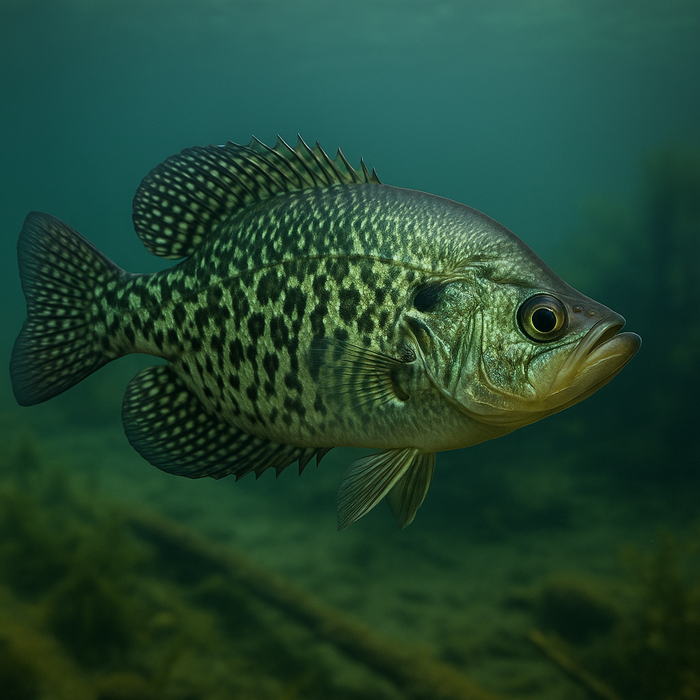
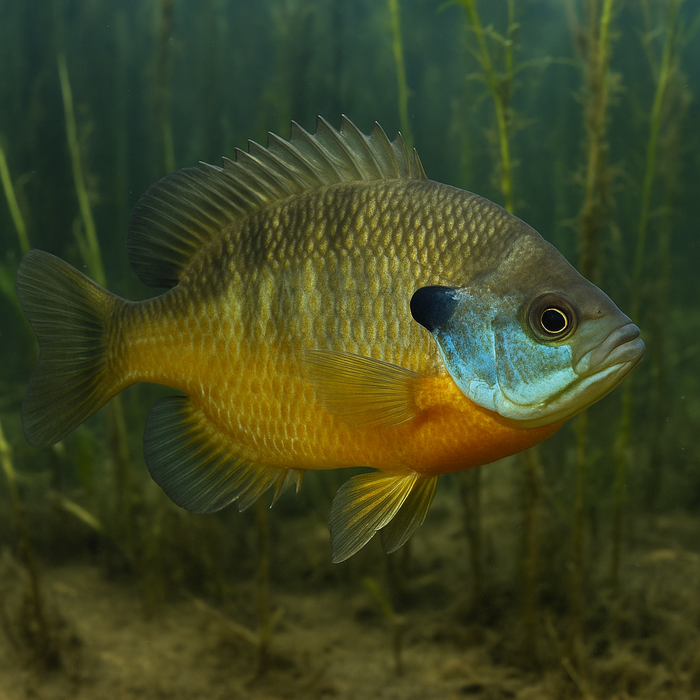
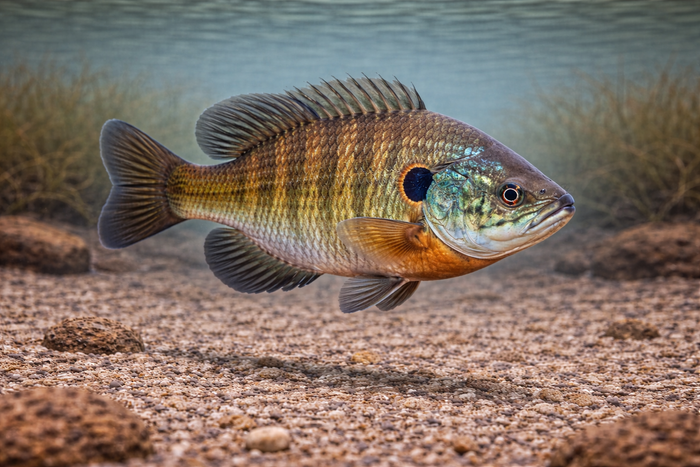
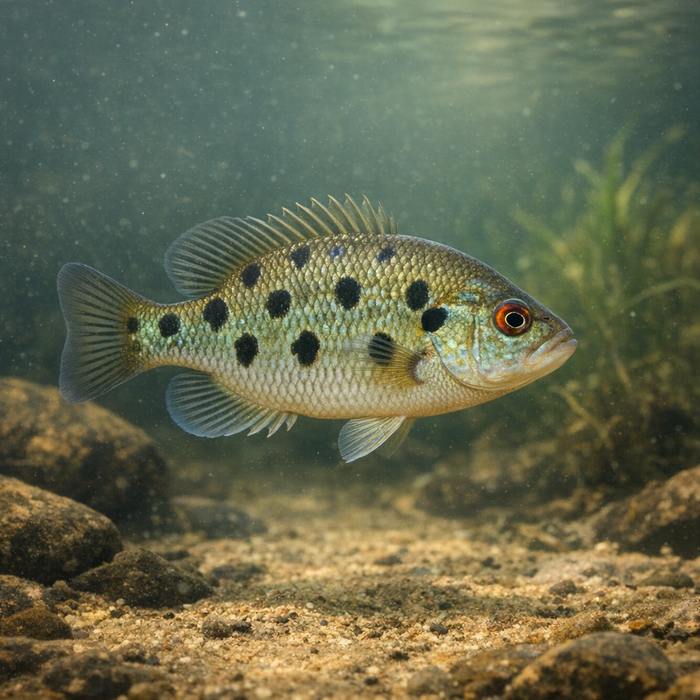
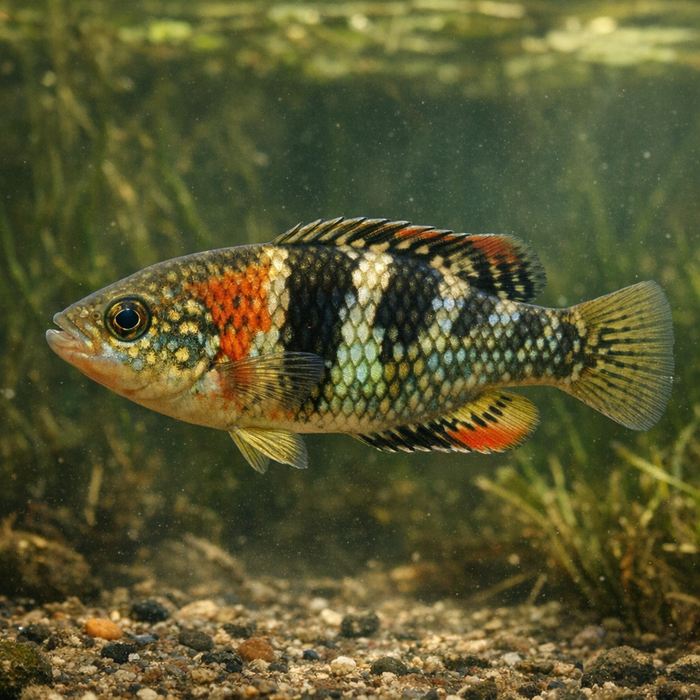
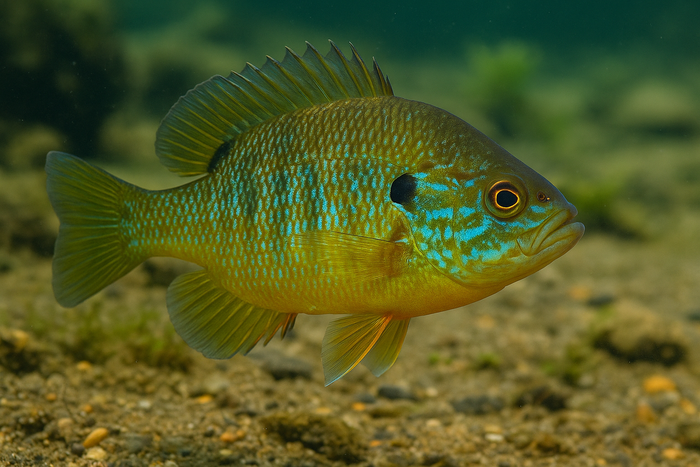
Climbing Perch (Anabas testudineus): The Panfish That Can Leave Its Pond Behind
Most panfish have one fairly strict requirement: keep the water around the fish. The Climbing Perch has options. This compact Asian freshwater species breathes atmospheric air and can move across land, using equipment that looks nothing like legs. It is an extraordinary animal hiding inside a very ordinary-looking fishing opportunity. A float, a worm, and a warm, weedy pond can put you in business; the biology behind that little bite is considerably less ordinary.
Deep-bodied and practical rather than flashy, this member of the Anabantidae family belongs firmly in the small-fish conversation. Its appeal is not trophy bulk. It is the combination of accessible fishing and adaptations that make familiar pond fish seem strangely underprepared.
What Makes the Climbing Perch Unique?
Start with the breathing system. Above the gills sits an accessory air-breathing organ commonly called the labyrinth organ. It allows the fish to use atmospheric oxygen, helping it occupy waters where dissolved oxygen becomes scarce. Under suitably moist conditions, individuals can survive outside water for several days. That is remarkable physiology, not permission to leave your catch baking on the bank. Moisture and environmental conditions matter enormously.
Then comes the locomotion. The Climbing Perch anchors its spiny gill covers against the ground while bending its body and driving with its tail. Those gill covers function more like short supports than walking feet. This is coordinated movement, not simply the random flopping of a stranded fish.
One correction belongs among the essential Climbing Perch facts: the name does not establish a talent for climbing trees. Experimental work found limited slope-climbing ability and rejected the popular tree-climbing interpretation. Overland movement is impressive enough without adding a woodland expedition.
Habitat & Global Range
Climbing Perch habitat centers on warm freshwater with cover and relatively gentle water movement. Vegetated ponds, lakes, marshes, floodplain waters, rice-field environments, canals, and slow rivers all fit the picture. Aquatic plants provide structure, while seasonal flooding can expand the available habitat and connect waters that were previously separated.
Its broad Asian distribution includes South and Southeast Asia and extends into southern China. India, Bangladesh, Sri Lanka, Thailand, Malaysia, Vietnam, and Indonesia are among the countries associated with its range. Introductions have also carried it beyond its native distribution, making the distinction between familiar food fish and unwanted newcomer important.
For anglers, the useful picture is not a deep offshore basin. Begin with accessible vegetation edges and openings in quiet water. Treat regional destinations as starting points for local investigation, not promises that every shoreline is open, productive, or legal to fish.
Behavior & Temperament
The Climbing Perch is an omnivore rather than a specialist locked into one menu. Research documents substantial dietary variation between populations occupying different environments. That flexibility fits a fish living in waters whose conditions can change dramatically with rainfall, drying, and human disturbance.
Its overland movement should not be romanticized as routine sightseeing. Poor aquatic conditions and competition can encourage fish to leave the water, and experiments have linked terrestrial movement with searching for water. The behavior is an escape option, not evidence that the species prefers life on a lawn.
At the fishing end, keep the approach modest. Present a small natural bait through a vegetation gap, watch the float, and handle the fish carefully around its sharp gill-cover edges. Simple tackle does not make careless handling a good idea.
Ecological Importance
This species connects wetland ecology with everyday food supply. It is commercially fished and cultured, and its value as a food fish is well established in parts of Asia. Small freshwater species deserve attention here: their importance is not measured by how spectacular they look in a trophy photograph.
Reproduction also tracks environmental conditions. A Bangladesh wetland study found spawning from May through August, peaking in June and July, with reproductive activity associated with water and climatic variables. Those findings explain one population, not a universal calendar for every fish across Asia. Local rainfall patterns still get a vote.
Conservation & Environmental Pressures
The Climbing Perch is assessed as Least Concern globally. That classification should not be confused with immunity to local damage. Wetland drainage, altered water connections, pollution, and excessive harvest remain sensible concerns when considering the condition of individual fisheries. Air breathing cannot replace an entire functioning wetland.
Outside its native range, the conservation conversation changes. Queensland treats it as a restricted noxious fish and prohibits unauthorized release. Moving live fish between waters is not a harmless favor to the next angler; it can create a biosecurity problem.
The FishyAF Take
This is precisely the kind of fish that makes size-based snobbery look ridiculous. You can meet it with beginner-friendly tackle, yet its adaptations could carry an entire biology lesson.
Fish the little float. Appreciate the strange engineering. Keep your fingers clear of the spines, and leave the tree-climbing mythology on the internet. A panfish that can genuinely move over land does not need an exaggerated résumé to earn your respect.