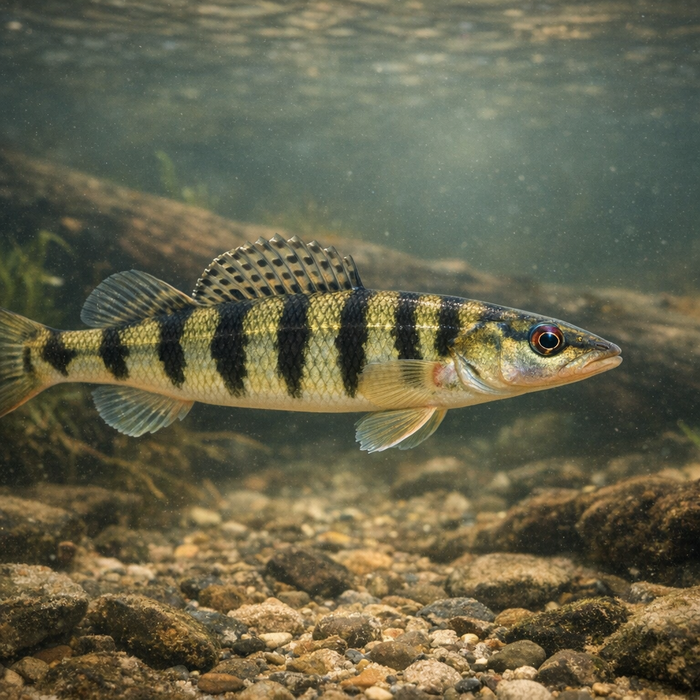
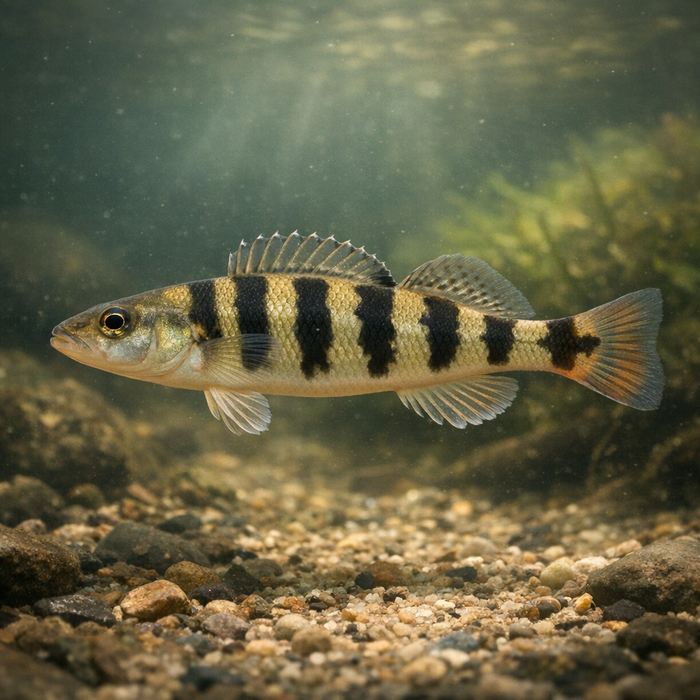
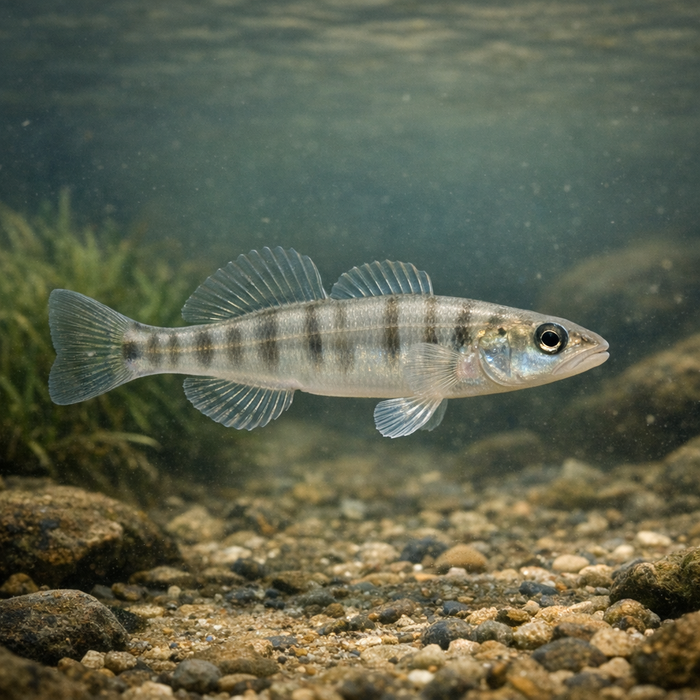
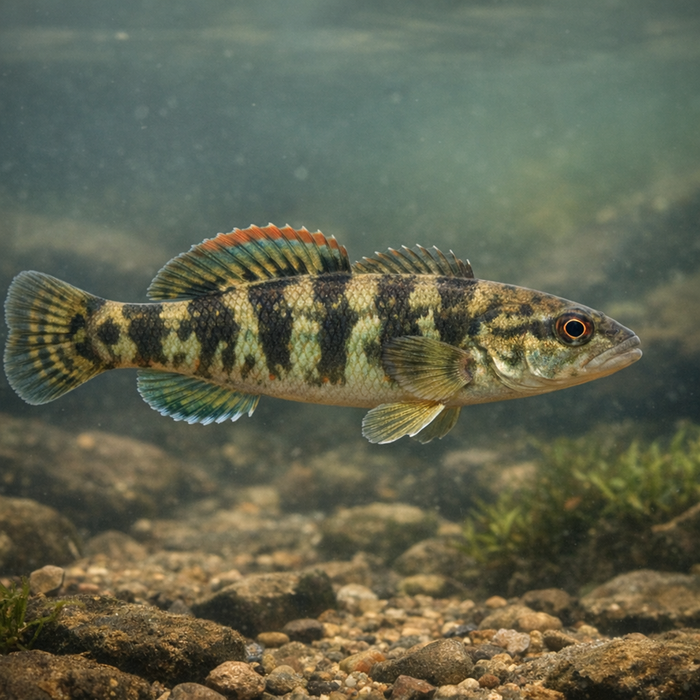
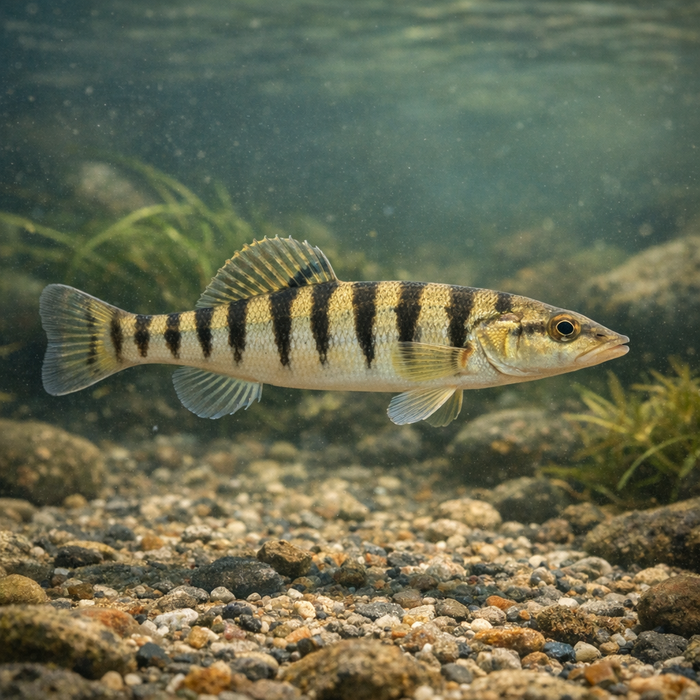
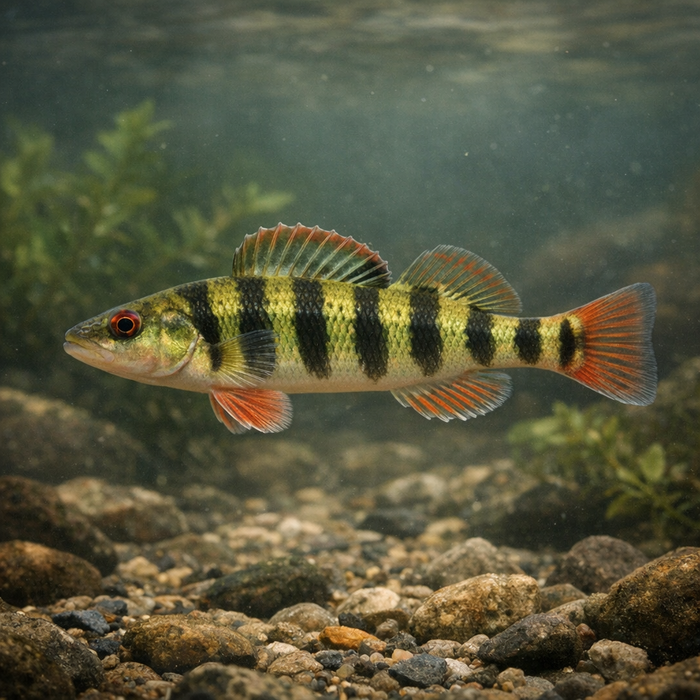
Coastal Darter (Etheostoma colorosum): A Bold, Memorable Hook LineIntroductionThe coastal darter is the creek's tiny hotrod, hugging sand like it has magnets in its belly and lighting up in spring with neon swagger. Anglers into microfishing know the deal: blink and it's gone, twitch once and it's on your hook. If you came here for Coastal darter facts and a straight-shooting rundown, settle in. This fish proves that small water doesn't mean small personality.What Makes the Coastal darter Unique?Start with the paint job. In breeding season, male coastal darter show electric blue-green bars and orange fins that look airbrushed by a graffiti artist. Then there's their bottom-hugging vibe. They don't cruise like minnows; they hop, scoot, and pounce across bright sand, using broad pectorals like kickstands. The species name, colorosum, literally means colorful, and it earns that name every spring. For anglers, the coastal darter is a stealth-and-precision test. You are not muscling a run; you are threading a micro offering into a teacup-sized target.Habitat & Global RangeThis species lives on the Gulf Coastal Plain, where streams run tea-stained over clean sand and scattered gravel. Picture ankle-to-knee-deep riffles, soft flow seams, and little depressions behind wood. That's coastal darter habitat. They like clarity enough to see, but not gin-clear nervous water; tannins and shade are their friends. While the range sits tight to the Southeast and Gulf Coast drainages, think small creeks and tributaries more than big-name rivers. If you are scouting, focus on sandy runs with gentle current and minimal algal fuzz.Behavior & TemperamentThe coastal darter is all about close-quarters hunting. It waits a beat, then rockets a few inches to nail midge larvae or other tiny invertebrates. They defend tiny territories, especially during spring, and chase rivals with quick dashes. Schooling is loose to nonexistent; you will spot singles and small loose clusters, each owning a palm-sized patch. Surface activity? Forget it. Everything happens at the bottom, where subtle presentations win and clumsy shadows lose. For anglers, timing matters. A sunny window that lights the sand can suddenly make fish pop into view.Ecological ImportanceCoastal darter stitch together energy in small streams, converting insect life into fish protein for larger predators. They are indicator fish too. Where coastal darter persist, you usually have stable sand runs, decent water quality, and a channel that still behaves like a creek, not a ditch. Lose the sand and clarity, and you lose the little hunters that keep riffles humming.Conservation & Environmental PressuresMost assessments place the coastal darter as Least Concern, but that is not a free pass. The species depends on the recipe of clean sand, consistent flow, and low sediment smothering. Channelization, nutrient blowouts, and bank trampling can turn classic coastal darter habitat into a flat, silty mess. Flood pulses can help, but only if there is a functioning floodplain and intact riparian cover. In short, protect the creek, and you protect the fish.The FishyAF TakeIf you think fishing is only about big drags and long casts, the coastal darter will recalibrate your brain. It rewards careful eyes, sneaky footwork, and absurdly small offerings. That makes it fun. And humbling. Call it a reality check from a fish barely longer than your index finger. Whether you are building a lifelist or just feeding your curiosity, the coastal darter delivers. Keep it quick, keep it ethical, and enjoy the micro magic. For more Coastal darter facts or to dial in Coastal darter habitat, remember: the best intel starts with your own boots in the stream.