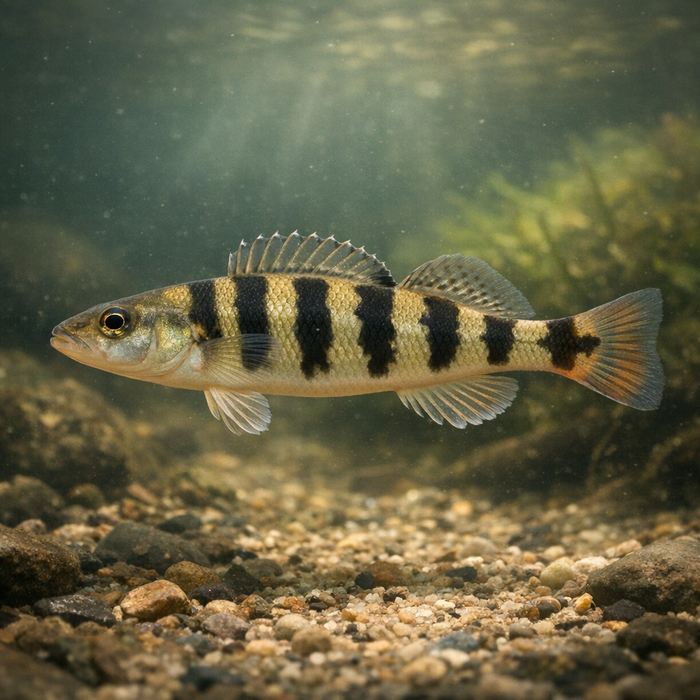
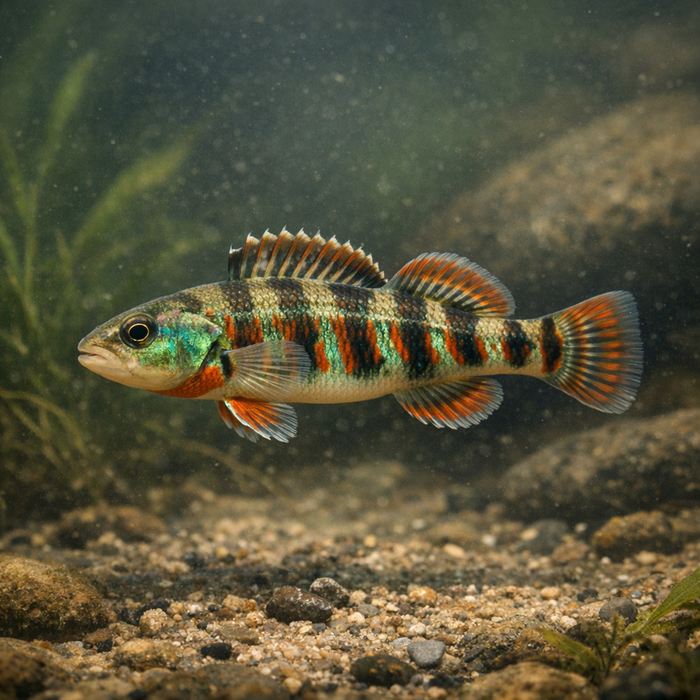
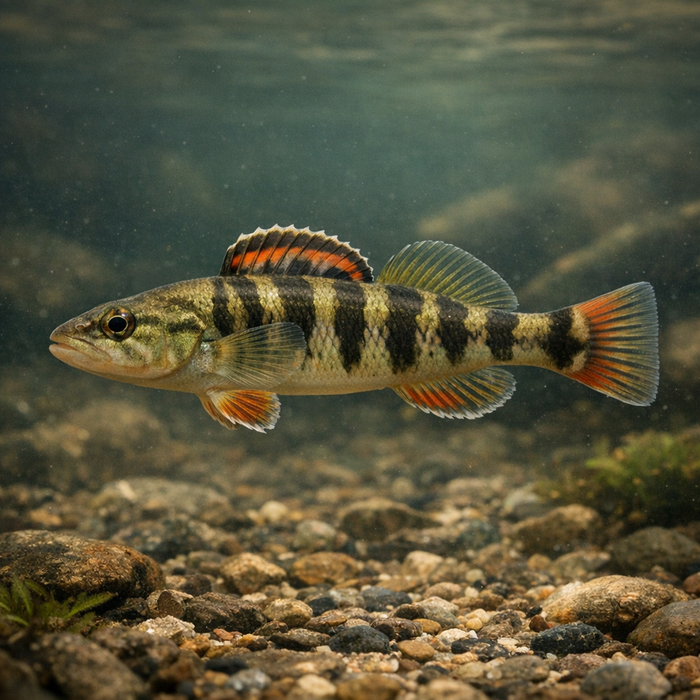
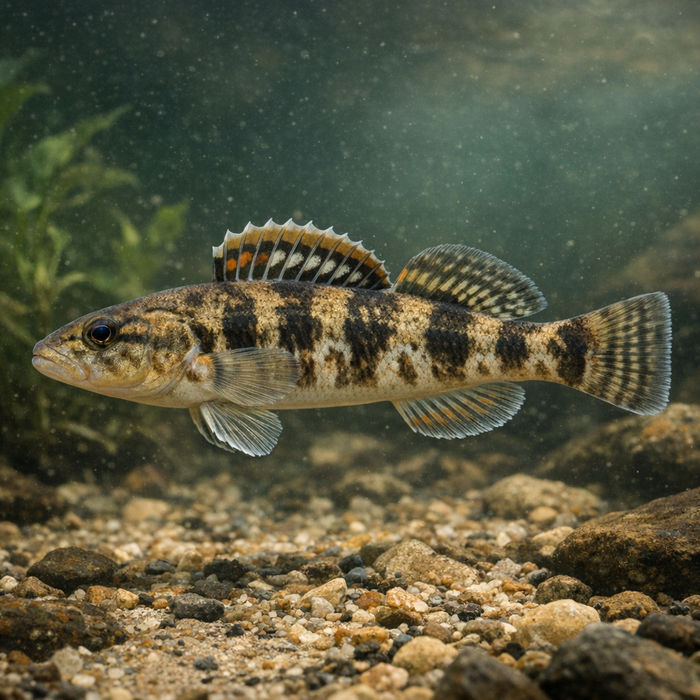
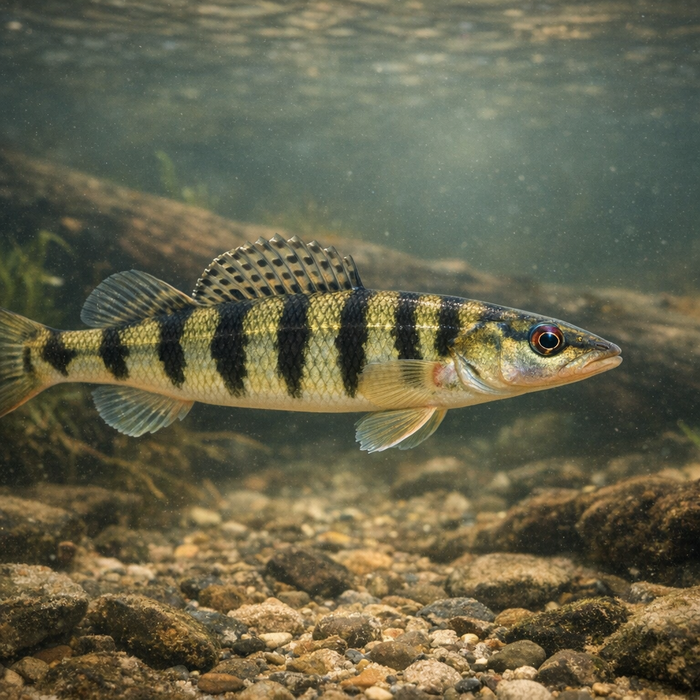
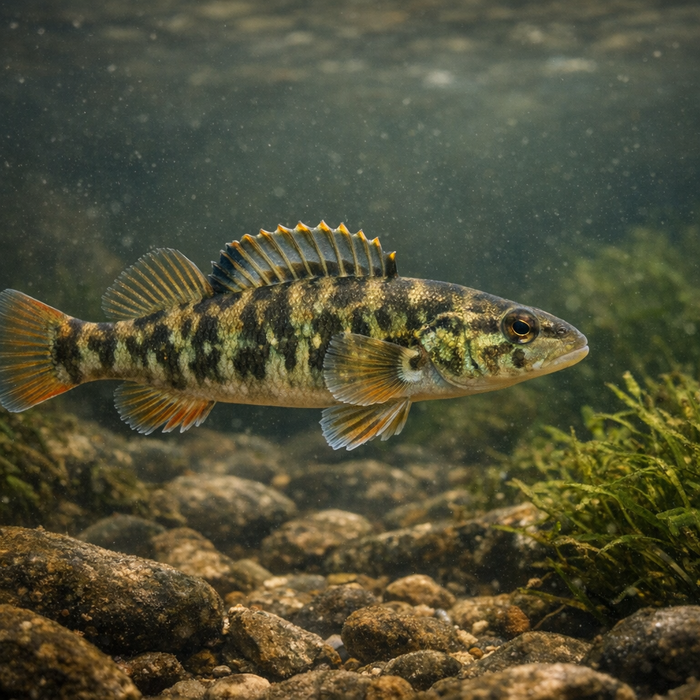
Glassy darter (Etheostoma vitreum): A Bold, Memorable Hook LineIntroductionThe glassy darter is the stealth bomber of the riffles, a near-invisible slip of a fish that hugs sand like it owns the grain. You won't troll for it and you won't fillet it, but if you're into microfishing or just geeking out on stream life, this tiny predator brings big personality. Consider this your crash course in real-deal Glassy darter facts without the textbook snooze.What Makes the Glassy darter Unique?Two things jump out. First, the look. The glassy darter is partly translucent, with a pale, clean profile that almost disappears over light sand. It's not just camouflage; it's an optical trick that makes your eyes doubt what they're seeing. Second, the lifestyle. Like many darters, it's a bottom-hugger with little or no swim bladder, using broad pectoral fins to prop and pivot in place. Instead of cruising, it darts: short, surgical bursts that vacuum up small invertebrates before the current knows what happened. That combo of see-through stealth and rocket-start feeding gives the glassy darter a signature presence in tiny water.Habitat & Global RangeIf you're researching Glassy darter habitat, think small to mid-size creeks and rivers with clean sand and fine gravel, good flow, and low turbidity. Riffles, run tails, and current seams are money. This fish prefers clear, well-oxygenated water where it can both ambush and vanish. It's a Southeast and Gulf Coastal Plain story overall, with populations tied to drainages that still deliver seasonal flow and stable substrates. You won't usually see it in mucky ponds or silt-choked canals; it's a connoisseur of tidy streambeds.Behavior & TemperamentThe glassy darter is built for micro-ambush. It holds in the thinnest water, braced on the bottom, then zips a few inches to nail mayfly and midge larvae. It's skittish to shadows and sloppy footsteps, but not fragile. Cold snaps slow it down, yet it remains pickish even in winter-clear creeks. Spring flips a switch. As temperatures rise, activity ramps and spawning behavior appears: adhesive eggs deposited on clean gravel or stone undersides, typically in small batches. Males won't turn neon, but they do sharpen up with subtle sheen and attitude during the season. Fighting spirit? On two-pound line it's a blip, but that's not the point. This is a sight-and-stealth fish, rewarding the careful approach.Ecological ImportanceTiny doesn't mean trivial. The glassy darter stitches together the invertebrate buffet and the larger fish community. It converts aquatic insects into protein that bigger predators recognize, moving energy up the chain. Because it's picky about clean, flowing, unsilted substrates, its presence quietly signals stream health. Lose the sand and flow regimes, and you start losing darters. That makes it a helpful bellwether for watershed management and restoration.Conservation & Environmental PressuresGlassy darters face the usual suspects: sedimentation from poor land use, altered flows from dams and withdrawals, and turbidity after big storm events. Clear, stable sand doesn't magically reassemble after repeated scouring or chronic runoff. While many darters are not currently listed as threatened, local populations can be patchy and surprisingly sensitive. Keeping buffers intact, protecting headwaters, and avoiding wholesale channelization all pay dividends. A stream that still grows glassy darters is a stream doing lots of things right.The FishyAF TakeThe glassy darter isn't a grip-and-grin fish. It's a patience fish. It's crouch-on-the-bank, breathe quietly, then make a perfect micro drift. If you want bass hero shots, look elsewhere. But if your idea of fun is spotting a nearly invisible fish, coaxing it into a bite with a single midge larva, and releasing it without drama, welcome to the club. The glassy darter teaches restraint, rewards finesse, and scratches that satisfying itch of doing something well in plain sight. For anglers chasing niche challenges and authentic creek vibes, the glassy darter is small water's big lesson.