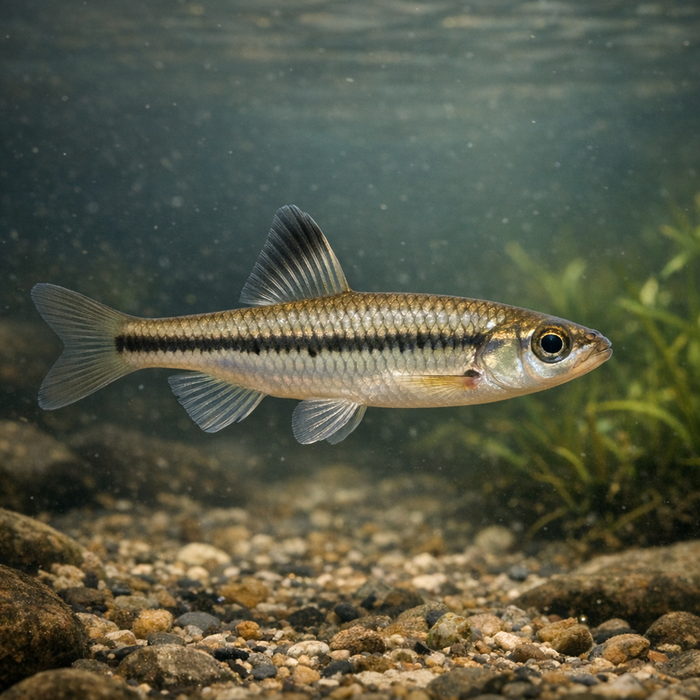
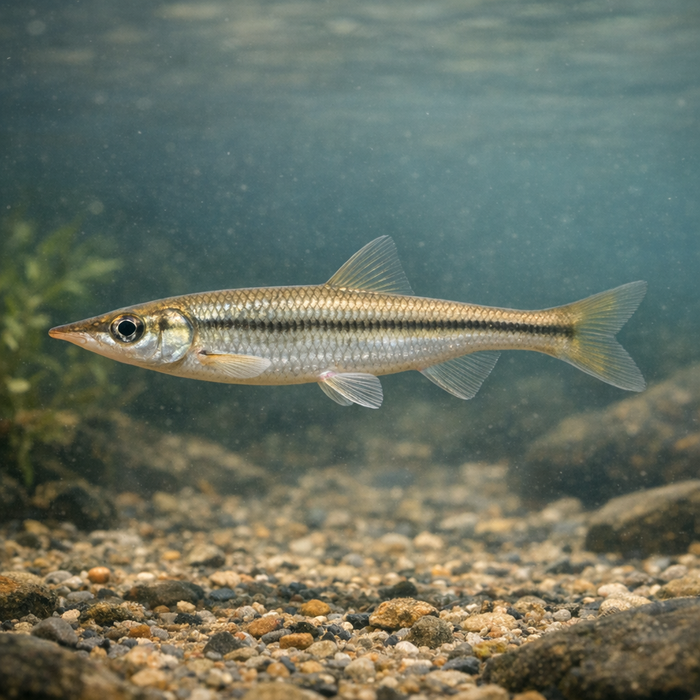
Coastal shiner (Alburnops petersoni): Small Fish, Big Flash, Zero Ego
Introduction
Dude, the coastal shiner is proof you don’t need a giant to have fun. Like, no way this sleek little minnow is out here zipping through Southeastern waters like a chrome fleck, schooling and flashing with every turn—bro, it’s a light show. It’s common, scrappy in a micro way, and the perfect gateway fish for anyone who wants to learn current, stealth, and finesse. Not gonna lie, if you’re here for Coastal shiner facts or just scouting quick wins near home, you’re in the right stream—like literally, dude, the right stream.
What Makes the Coastal shiner Unique?
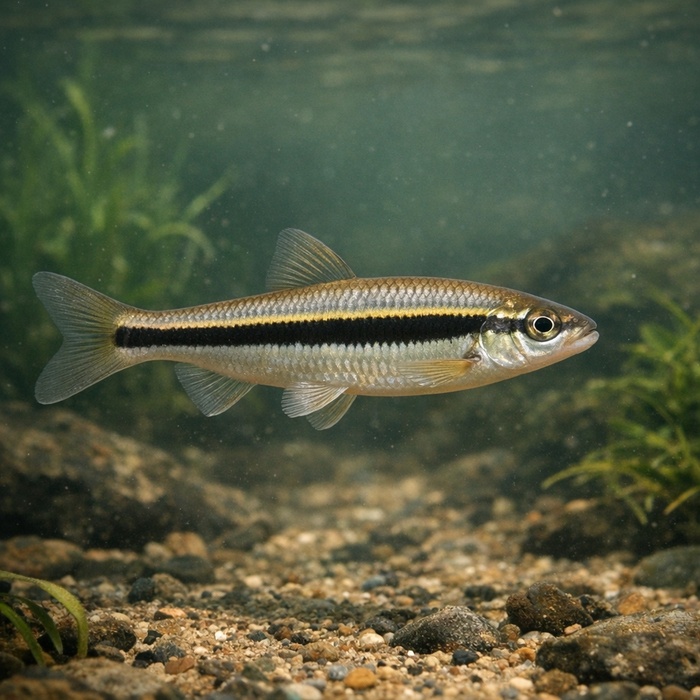
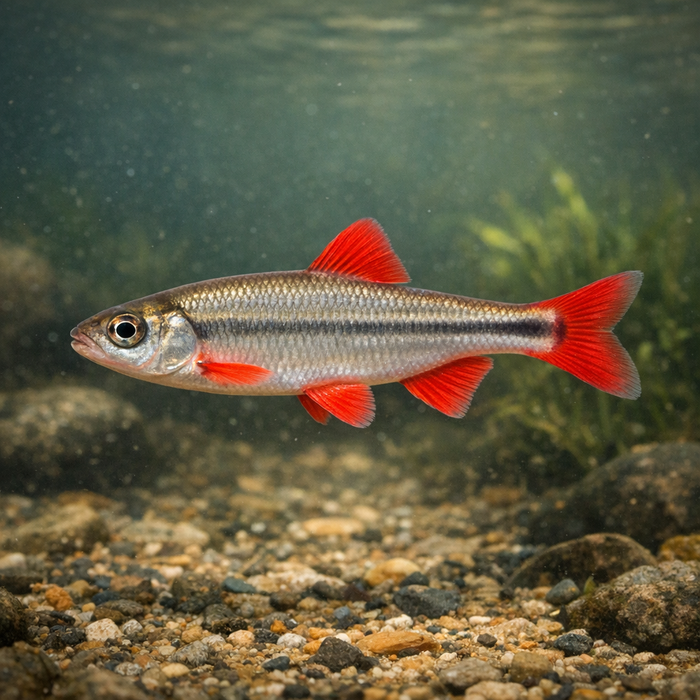
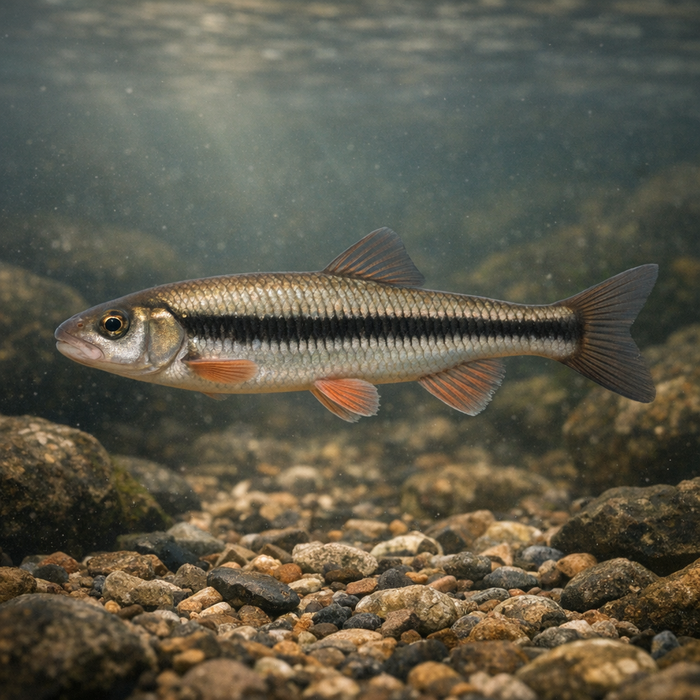
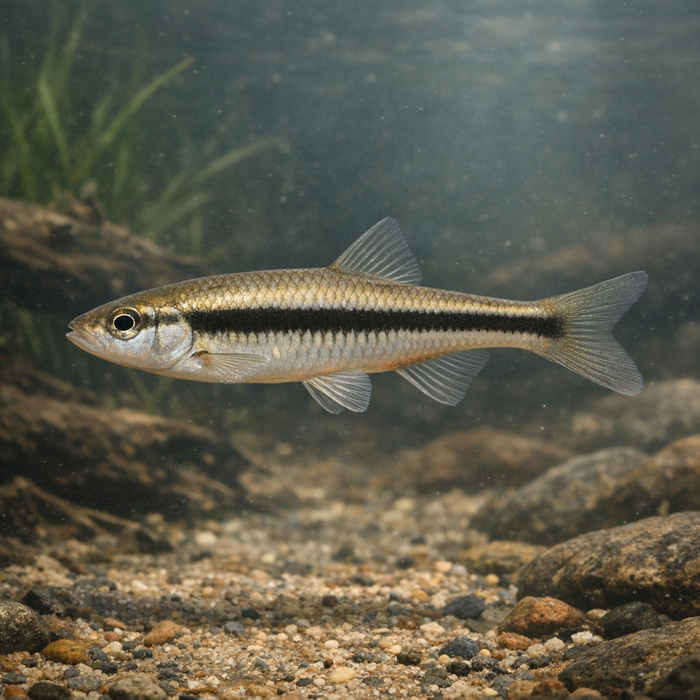
First off, the coastal shiner packs serious style in a tiny frame. Hold up… when light hits a moving school, their sides strobe like a pocket disco. That’s actually insane. And during the spawn, males develop rough nuptial tubercles on their snouts and pick up gold tones with subtle orange fins—bro WHAT, gold tones and sandpaper snouts? Wild.
Second, they’re adaptable. Like, chill-level adaptable. The coastal shiner will nose into slightly brackish backwaters without complaint, then race back upstream after a rain surge. One minute like, “salty-ish,” next minute, “fresh and fast.” Mind blown.
Third, microfishing gold: they’re responsive to precise drifts and absurdly small baits, teaching you presentation better than any seminar. Dude, a fish that tutors you? Free masterclass, zero slides.
Habitat & Global Range
Despite the name, the coastal shiner isn’t a surf rat. For real—don’t go waxing a surfboard for this thing. Think coastal plain-sandy-bottom creeks, dark tannic streams, slow river margins, and vegetated ponds across the Southeast and Gulf Coast. That menu is stacked. They’re classic edge dwellers, running seams, shallow bars, and undercut banks. Tiny depth, big activity. I’m talking espresso-shot energy in ankle-deep water.
If you’re mapping Coastal shiner habitat, lean into clean, gently moving water with sand or fine gravel and plenty of cover nearby. Clean and chill, with a sprinkle of hidey-holes—chef’s kiss. Their range overlaps with multiple shiner species, which makes ID a fun little puzzle. Like, “is that you, coastal buddy?” Brain teaser with fins.
Behavior & Temperament
These fish are schooling pros. No joke, the coastal shiner holds in groups that flick and pivot with impressive synchronization, vacuuming drifting morsels from midwater. It’s like synchronized swimmers but tiny and snack-driven. They aren’t bruisers, but they’re alert, fast, and very sensitive to shadow or heavy footsteps—sneak-level 9000, dude.
Expect quick pecks and short feeding bursts, especially during low light or right after a fresh push of water. Timing is everything. Spawning happens in spring into early summer, with broadcast eggs scattered into shallow flow rather than defended in a nest. Scatter the pearls and bounce—absolute minimalism. Their life is short, their days are busy, and they waste zero motion. Honestly, goals.
Ecological Importance
The coastal shiner is small but essential. Like, cornerstone vibes. It funnels energy from invertebrates and periphyton up the food chain, feeding everything from sunfish to bass and wading birds. That’s a full buffet line powered by tiny bites, dude. Schools stabilize food webs by spreading predation pressure and by keeping insect hatches honest. Accountability partners for bugs—who knew?
When coastal shiners are abundant, the whole neighborhood tends to look healthier—more diversity, balanced predators, better nutrient movement. That’s ecosystem feng shui. Ignore them and you’ll miss how the system actually breathes. No joke, it’s like forgetting the lungs.
Conservation & Environmental Pressures
Good news: the coastal shiner is generally secure. Big exhale. Still, it’s not bulletproof. Channelization, siltation, and chemical runoff sandpaper away the clean, shallow edges they prefer. Oof. Water withdrawals pinch flows; poorly timed stormwater dumps spike turbidity and temperature. That’s like throwing mud in the smoothie and microwaving it—please don’t.
Because this fish rides the seam between fresh and slightly brackish water, it’s also sensitive to culverts, barriers, and salinity changes. Seam rider needs the seam to be, you know, seam-y. Keeping headwaters shady, banks intact, and floodplains connected benefits coastal shiners and, by extension, everything that eats them. That’s the whole squad, dude.
The FishyAF Take
The coastal shiner is the humble coach every angler needs. It punishes sloppy drifts, rewards stealth, and makes ultralight gear feel like a scalpel. Precision, baby. You’ll learn more about current, line control, and hook-setting discipline catching a dozen coastal shiners than you will flinging hardware all afternoon. Facts. It’s local, it’s plentiful, and it shines—literally. If you’ve overlooked this fish, that’s on you. Drop to micro hooks, bring a pocket float, and watch the water come alive around a three-inch spark plug called the coastal shiner. Dude, I’m still thinking about that pocket disco.