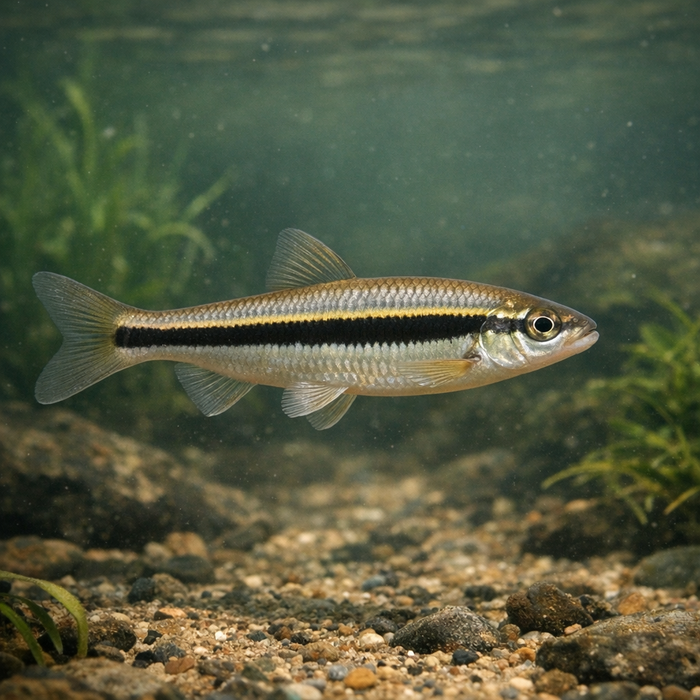
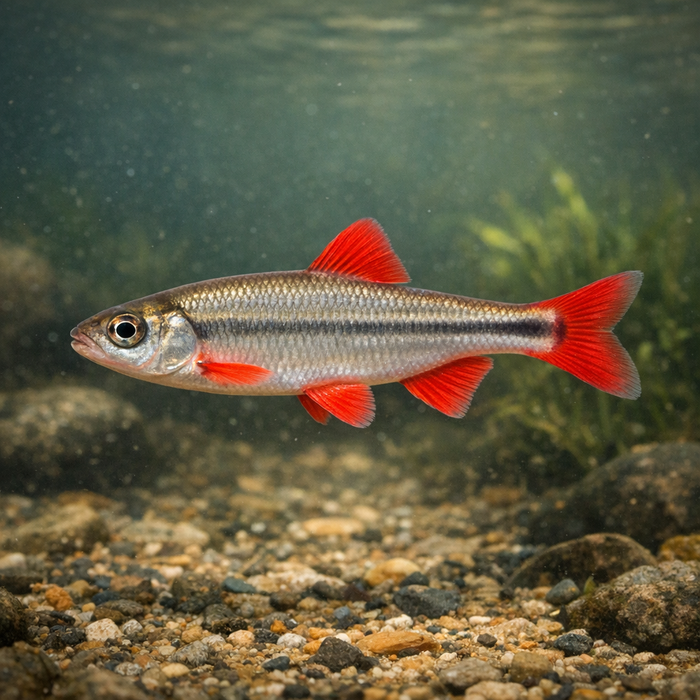
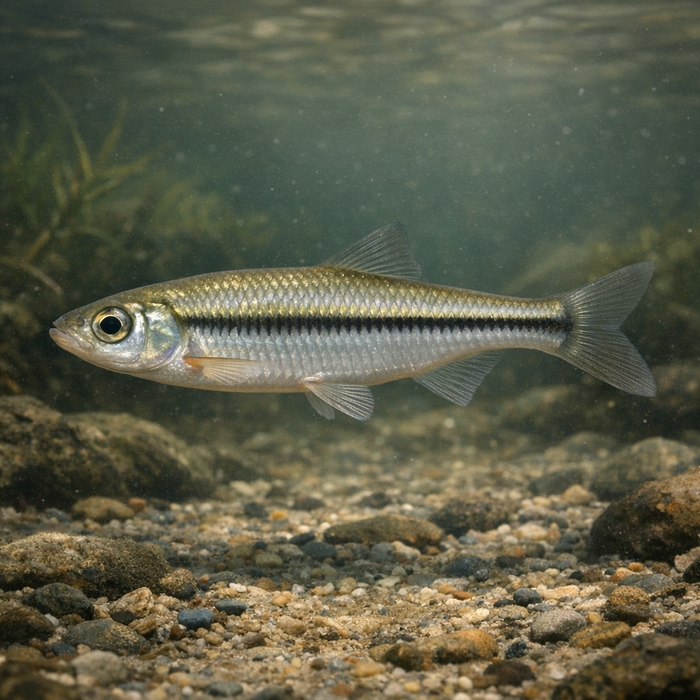
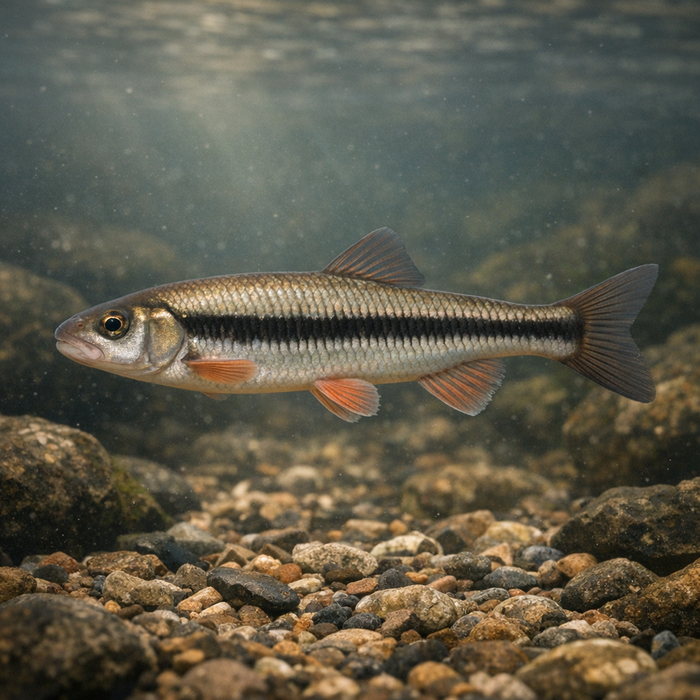
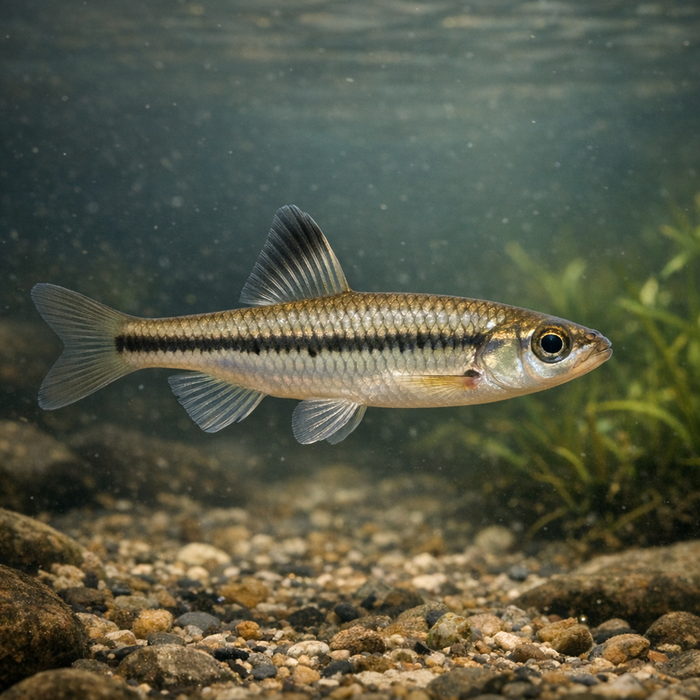
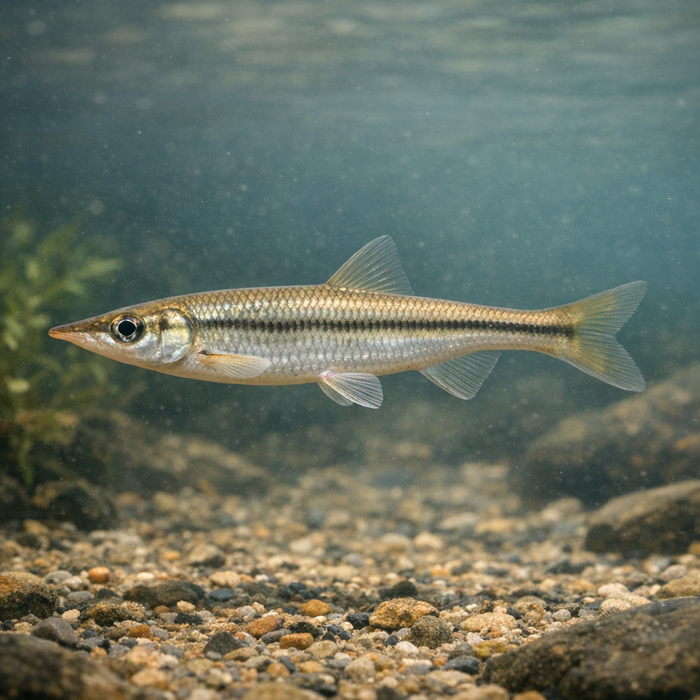
Dusky Shiner (Pteronotropis cummingsae): Small Fish, Big AttitudeIntroductionThe dusky shiner is proof that charisma isn't measured in pounds. This tea-water cruiser shimmers under cypress shade, pinballing through gentle current like it owns the sand runs. You won't spool a reel on one, but if you're into finesse, sight games, and ridiculous colors during spawn, the dusky shiner is a microfishing crush waiting to happen. Consider this your quick hit of Dusky shiner facts without the snooze.What Makes the Dusky shiner Unique?First, the paint job. Breeding males flash neon blue fins tipped in orange and a crisp black racing stripe down the flank. It's like someone smuggled a reef fish into a Georgia creek. Second, the head pattern: a dark snout wedge that makes the "dusky" name feel earned and helps separate it from other shiners at a glance. Finally, the attitude: tight schooling, midwater hovering, and a featherweight, upturned mouth made for sipping drift. This fish is all about precision water.Habitat & Global RangeThe dusky shiner is a Southeastern Coastal Plain specialist, living in clear to tannin-stained streams with sand bottoms, leafy margins, and overhanging wood. Think low-gradient creeks and small rivers with steady but gentle current, often under cypress and gum canopies. This is classic Dusky shiner habitat: tea-colored water, clean flow, and just enough structure to dodge predators. You'll encounter them in runs below riffles, at the heads of pools, and along grass lines where current compresses drifting insects. While local distributions shift by drainage, the vibe stays the same: blackwater elegance with room to school.Behavior & TemperamentThe dusky shiner is a midwater commuter. Schools suspend like kites in soft seams, then blitz sideways when a shadow crosses the surface. They're visual feeders, keying on small invertebrates sliding through the column. When spooked, they vanish into leaf packs or under wood, regrouping seconds later as if nothing happened. Spawning clicks on as water warms in spring, and during that window the colors go full neon. These fish aren't brawlers, but they're honest: line too heavy, hook too big, drift sloppy, and they ignore you. Nail the drift and they oblige.Ecological ImportanceFor their size, dusky shiners move a lot of energy. They vacuum up drifting insects and become currency for bigger fish, birds, and snakes. Their schooling and midwater feeding help transfer productivity from riffles into pools, making them prime forage and a tidy barometer for stream health. If the water goes muddy or sluggish for too long, you'll see fewer shiners. When the current is clean and the leaves stain the tea just right, they're everywhere.Conservation & Environmental PressuresNo one's booking congressional hearings for a tiny shiner, but the species still depends on stable flows, intact riparian cover, and clean, oxygenated water. Siltation from bad land use, channelization, and prolonged low flows can blank out sand runs and the drifts they feed on. Because they're small and short-lived, populations can bounce back when conditions recover, but persistent habitat abuse shrinks both numbers and distribution. Keep the creeks shaded, moving, and un-choked with sediment, and the dusky shiner stays common.The FishyAF TakeYou chase dusky shiners for the craft, not the clout. They're micro targets that reward stealth, tiny hooks, and clean drifts. It's sneaky fun: breadcrumb chum, a speck of worm on a hook you can barely see, and a float that twitches when a blue-tipped minnow inhales. Want quick-water therapy and a legit test of finesse? The dusky shiner delivers. And if anyone asks why you're fired up about a three-inch fish, tell them some trophies fit in your palm but still steal the show.