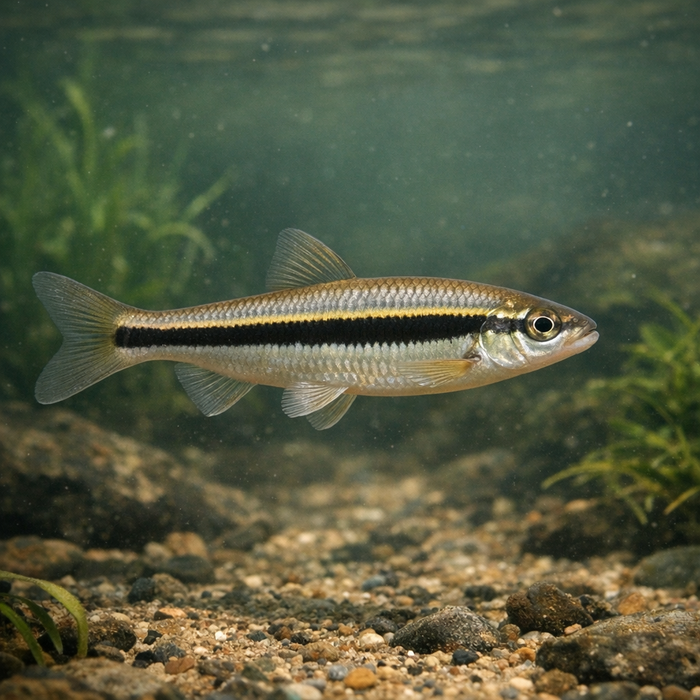
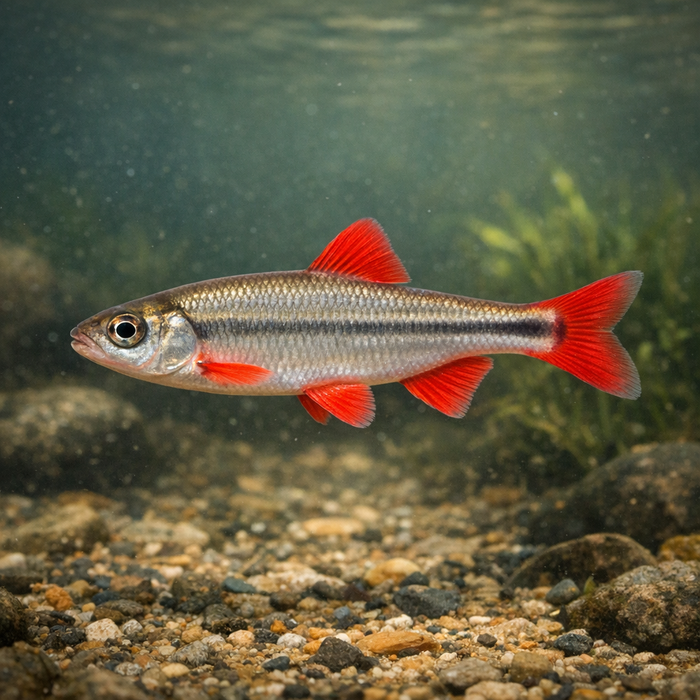
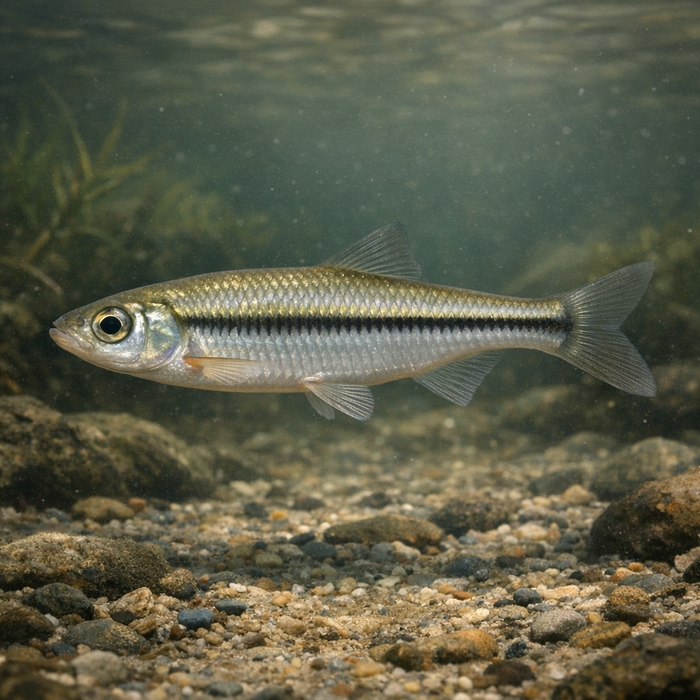
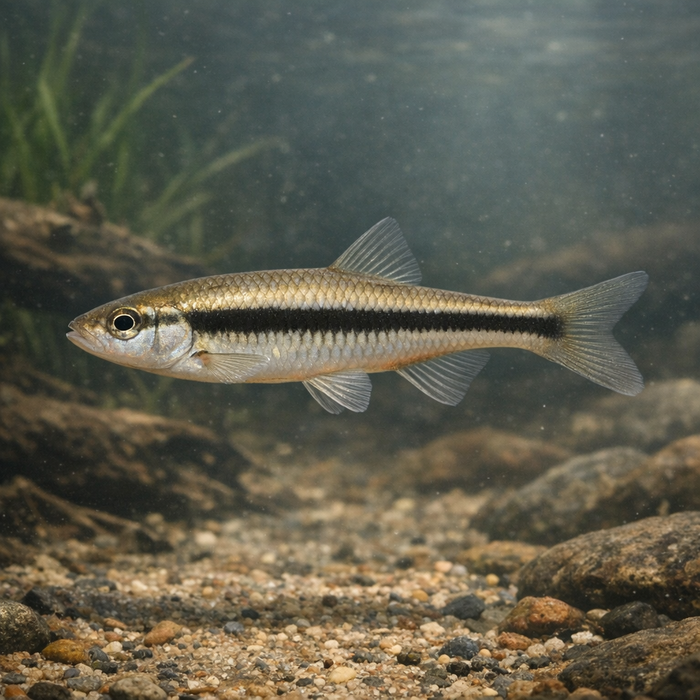
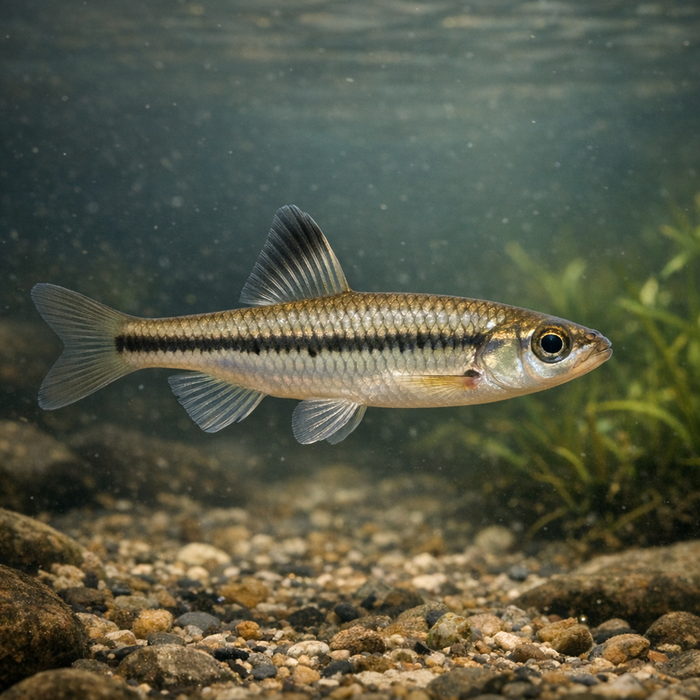
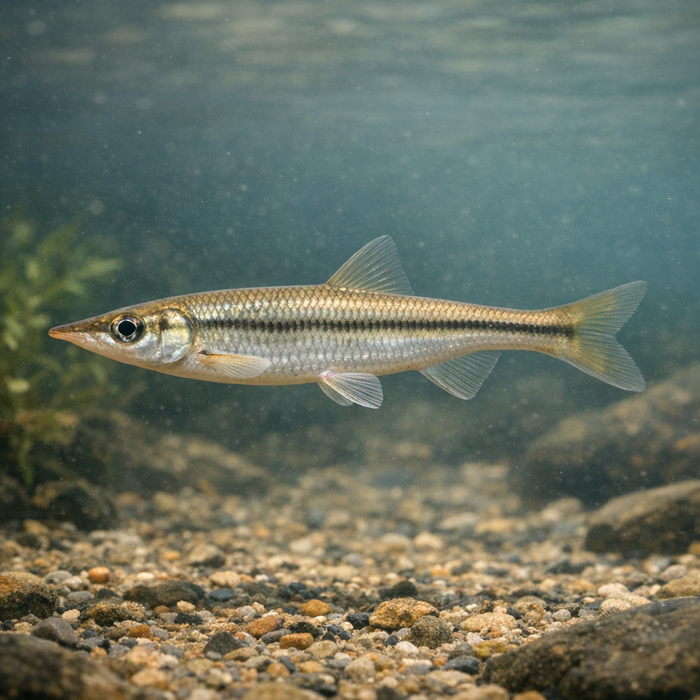
Dixie Chub (Semotilus thoreauianus): Small body, big attitude, gravel-hauling stream bossIntroductionThe Dixie chub is the little engineer of Southeastern creeks, a palm-sized bulldozer that builds pebble mounds like it owns the riffle. It won't spool your reel or blow up your feed, but it will smash a worm, scrap around structure, and put on a surprisingly charismatic show during spawning season. If you want real Dixie chub facts with a side of grit, you're in the right place.What Makes the Dixie chub Unique?Two things: architecture and attitude. Male Dixie chubs dig, carry, and stack pebbles to build a spawning mound, sometimes moving thousands of stones by mouth. That's not decoration. It's a precisely placed nursery that keeps flowing water oxygenating the eggs. Then the male turns into a bouncer, wearing rough breeding tubercles and checking every intruder with a head-butt. Even better, other minnows often crash the nursery, dropping their eggs into the carefully maintained gravel. The Dixie chub becomes an accidental keystone landlord of the riffle.Habitat & Global RangeDixie chub habitat is small to medium Southeastern streams with sand and gravel, plus quiet pools in ponds or backwaters. Think riffles and runs with enough current to breathe but not enough to blast them sideways. Undercut banks, root wads, and pool tails are prime. They're a Gulf-slope native across parts of Georgia, Florida, and Alabama drainages, with local flavor shaped by geology: tannic blackwater on the coastal plain, stony Piedmont trickles upstream. They're homebodies more than migrants, shifting between riffle mounds and adjacent pools as seasons and flows change.Behavior & TemperamentThe Dixie chub feeds opportunistically, picking invertebrates from the drift, sweeping the bottom, and snapping at whatever the current tosses their way. They're not picky eaters or shy strikers. In spring, males get territorial over nests and can pack into riffly lanes, but the species otherwise rolls as loose aggregations around structure. They rarely rocket to the surface like shad, yet you'll see splashy takes when a hatch dumps easy calories. Hook one on ultralight line and it's a quick, jittery tussle rather than a slugfest.Ecological ImportanceThis fish punches above its weight in stream ecology. Those nest mounds aren't just love shacks; they're oxygen-rich gravel havens that benefit eggs of multiple minnows that can't move rock themselves. More clean, aerated gravel equals more hatch success across the micro-community. Meanwhile, Dixie chubs convert drifting insects into calories for larger predators. They're a solid link in the food web, and their mound-building stirs and cleanses gravel, a maintenance service many streams quietly need.Conservation & Environmental PressuresGood news: the Dixie chub is generally stable. Bad news: small-stream fish rarely get headlines until it's too late. Siltation from sloppy land use gums up gravel. Prolonged droughts shrink habitat to isolated puddles. Poorly timed culverts block movement between riffles and pools. Chemical spills in headwaters can erase entire year classes. While this species sits comfortably as Least Concern in much of its range, local populations live and die by water clarity, flow, and intact riparian cover.The FishyAF TakeThe Dixie chub isn't a trophy; it's a teacher. Want to understand how riffles breathe and spawn? Watch a male Dixie chub move rocks like a union worker and guard the gravel like it's Fort Knox. It's microfishing gold, kid-approved, and perfect for learning current seams and stealth. If you chase big-game attitude in snack-sized packaging, the Dixie chub delivers. Learn the mounds, respect the creek, and you'll never look at a "baitfish" the same way again. That's the real Dixie chub habitat lesson most anglers miss.