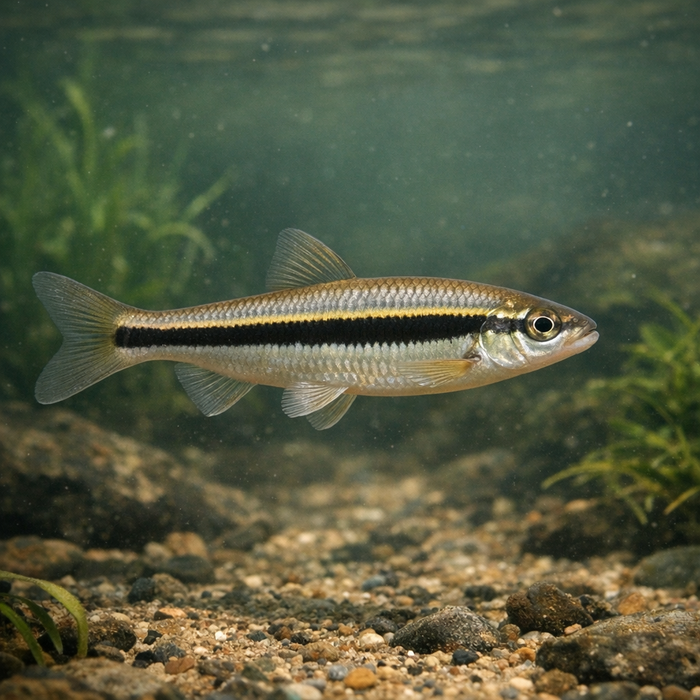
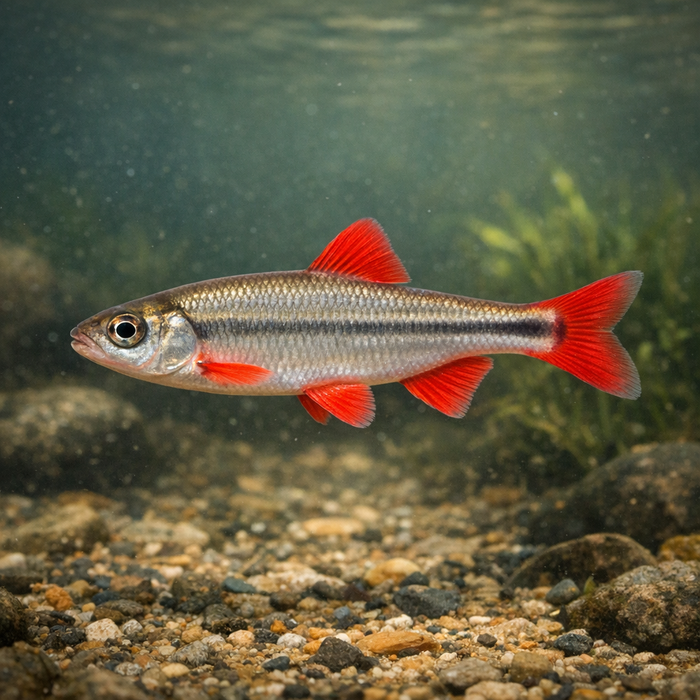
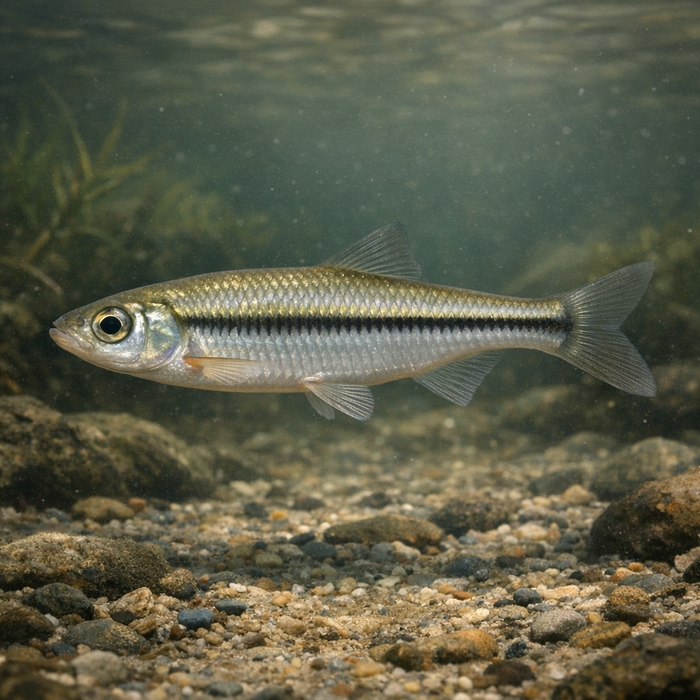
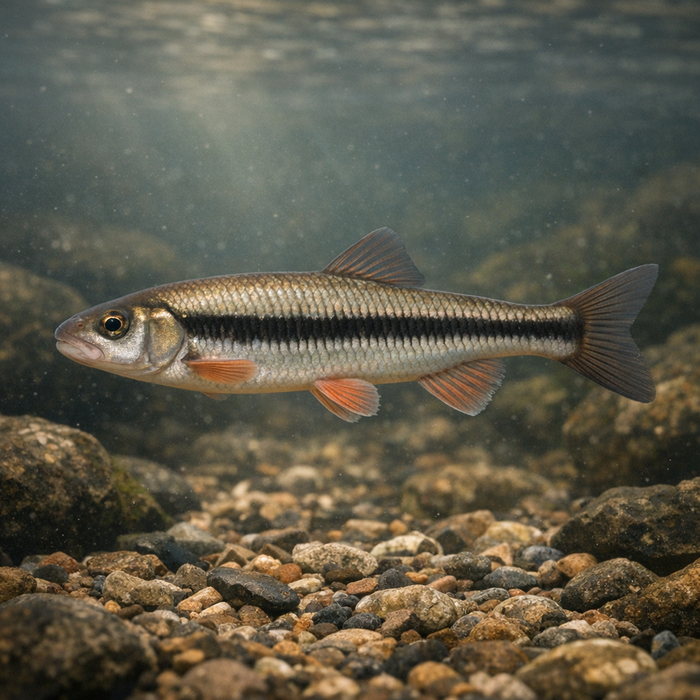
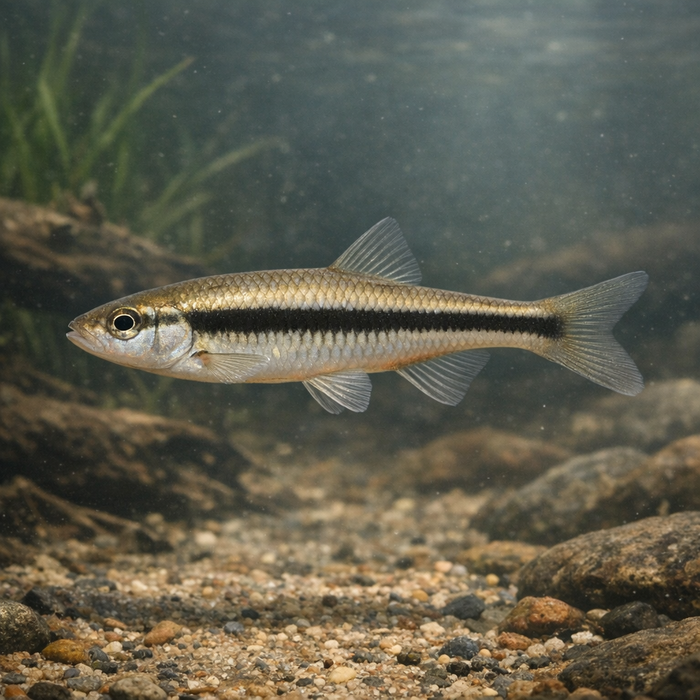
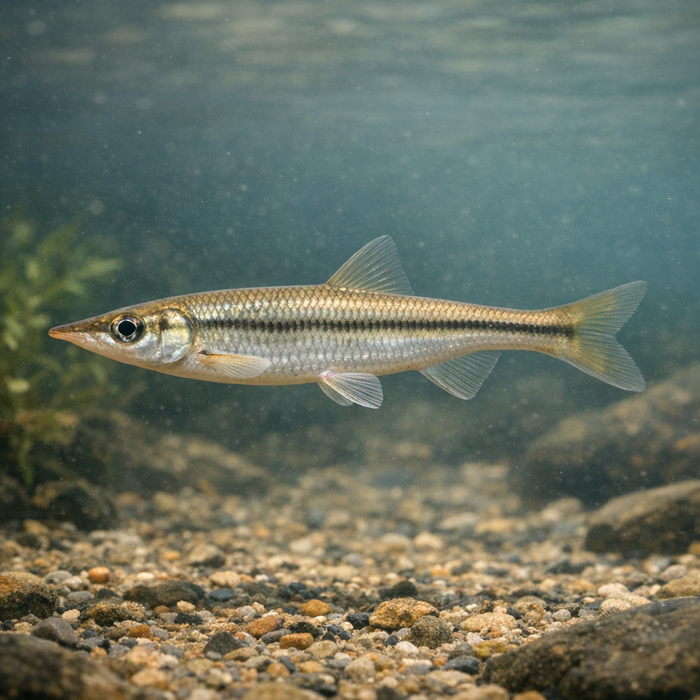
Highfin shiner (Hudsonius altipinnis): A Bold, Memorable Hook LineIntroductionThe Highfin shiner is proof that a fish doesn't need pounds to have swagger. It's a thumb-length spark plug with a black racing stripe and, when the mood hits, a comically tall dorsal fin that looks more sailboat than minnow. You won't spool a reel with one, but you might grin the first time a neon-finned male rockets through a riffle and lights up the creek. If you're into microfishing or just appreciate stream jewelry, this one's a gem. Consider these Highfin shiner facts your starting kit.What Makes the Highfin shiner Unique?Two things: that namesake dorsal fin and their paint-job flair. Breeding males throw a tall, triangular dorsal that seems bigger than physics should allow on a fish this small. It's not for speed; it's for show. Color-wise, the contrast pops: jet-black lateral stripe, metallic body sheen, and warm orange notes on the fins and snout in season. In a school, they look like live ticker tape, twitching and flashing across a sand run. The Highfin shiner also punches above its weight as a current athlete, holding in quick riffles with tiny, precise fin flicks.Habitat & Global RangeThink southeastern creeks and small rivers with clean sand and gravel. The Highfin shiner likes clear to lightly stained water where current oxygen is good and sediment doesn't smother the substrate. You'll see them in knee-deep riffles, gentle chutes, and along the soft edges of runs, often nosing over bare sand next to scattered pebbles. They slide into pools when flows drop, then push back to faster lanes when spawning cues fire. That combination of clean bottom and steady current defines the Highfin shiner habitat more than any city on a map.Behavior & TemperamentThey're classic schoolers: tight groups that pivot like a single brain. The lateral stripe seems to matter socially, becoming bolder when fish are amped. Feeding is opportunistic and fast. A crumb drifting by disappears instantly; a midge larva gets vacuumed before you can blink. During the spawn, males posture, sail goes up, and the colors get loud. They'll broadcast eggs over sand and gravel without nest fanfare or guarding. Despite the flash, they're wary and snap to cover when a shadow drops, then reassemble in seconds once the coast clears.Ecological ImportanceMicro doesn't mean minor. Highfin shiners convert insect life and fine organic matter into calories that power the mid-tier of the food web. Sunfish, small bass, and stream predators cash in on that traffic. Their demand for clean, well-oxygenated substrate turns them into living sensors. When the riffles silt over, Highfin shiners thin out or vanish, and the message is simple: the stream is losing its edge. Healthy shiner schools usually signal healthy benthic habitat and stable flows.Conservation & Environmental PressuresThe species is generally considered stable, but the usual freshwater villains lurk: sedimentation from poor land use, low flows from over-withdrawal, and storm-pulse pollutants that punch streams after big rains. Channelization smooths out riffles they depend on. Warm, stagnant water pushes oxygen down, and that's a problem for fish tuned to current. Luckily, the recipe for protecting Highfin shiners is the same as protecting most stream communities: keep banks vegetated, routes for fine silt blocked, and water in the channel during hot months.The FishyAF TakeThe Highfin shiner is tiny charisma. You don't chase it for drag-scorching runs; you chase it for style points and a pocket-sized masterclass in current seams. If you're a detail angler, this fish makes you sharper: smaller hooks, subtler drifts, cleaner presentations. And when a fired-up male lifts that silly sail, you'll understand why micro nuts lose hours to ankle-deep riffles. It's stream candy with attitude, and it proves that sometimes the best fishing story fits in the palm of your hand. For more Highfin shiner facts, keep poking around the riffles. They'll write themselves.