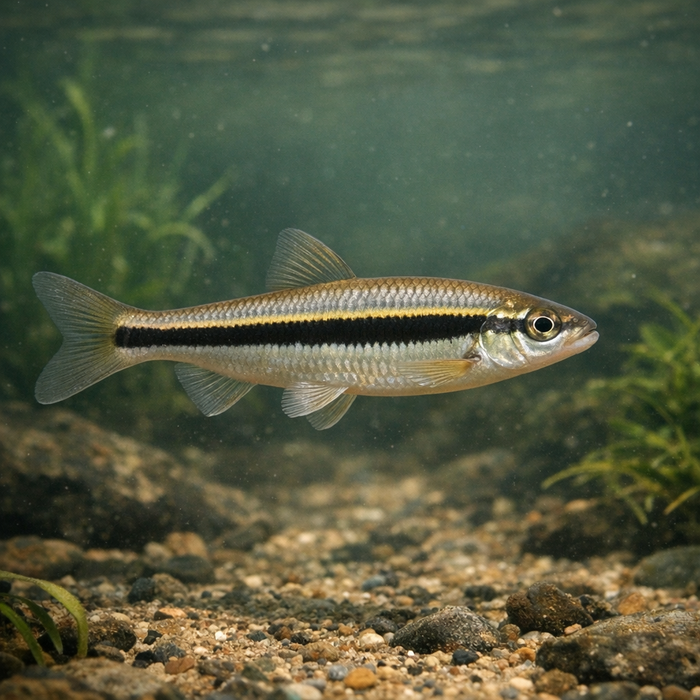
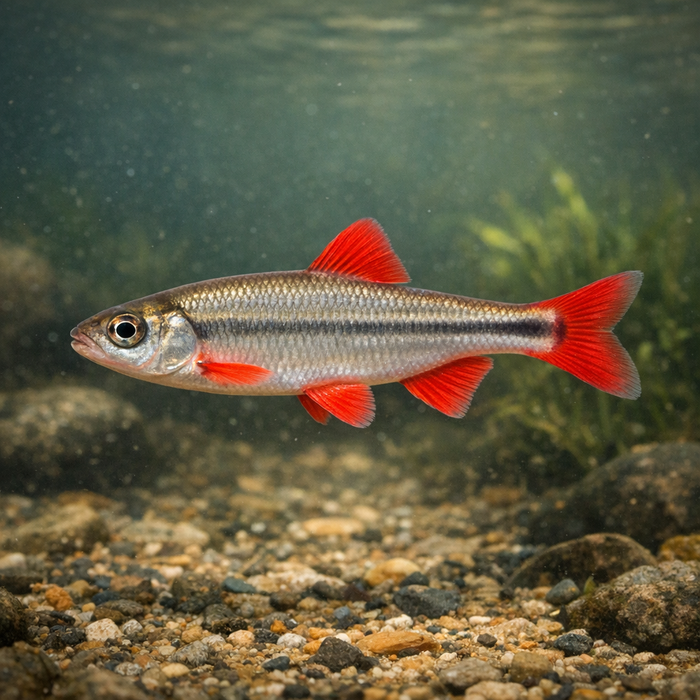
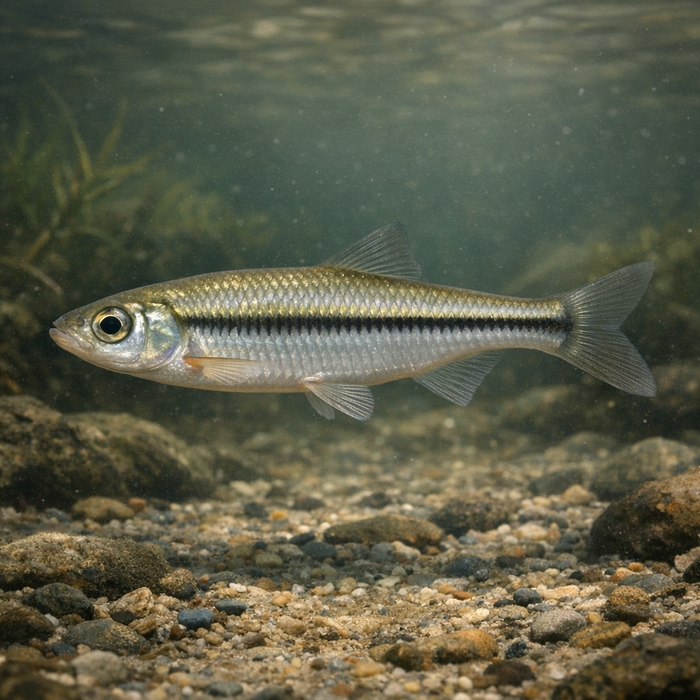
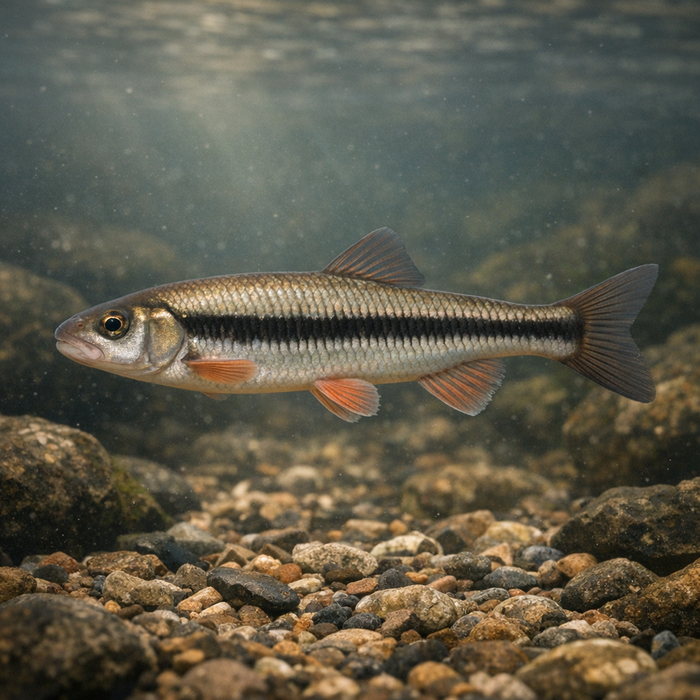
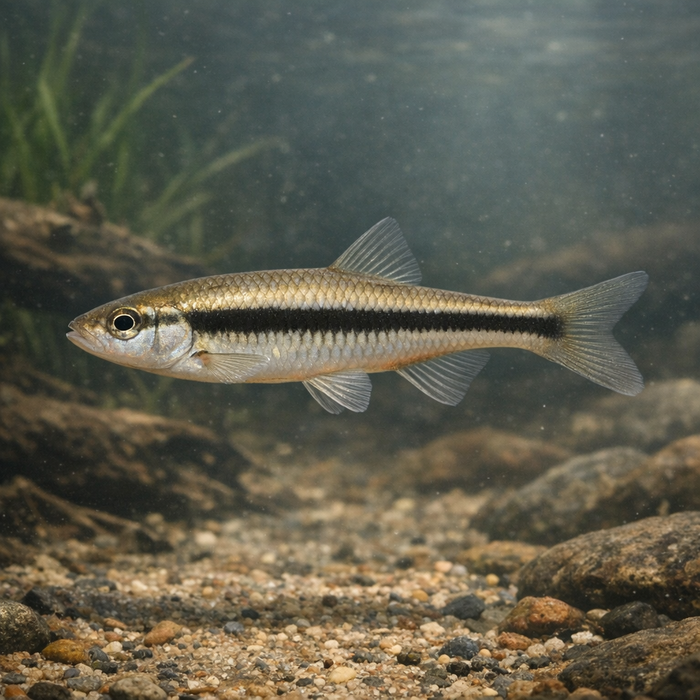
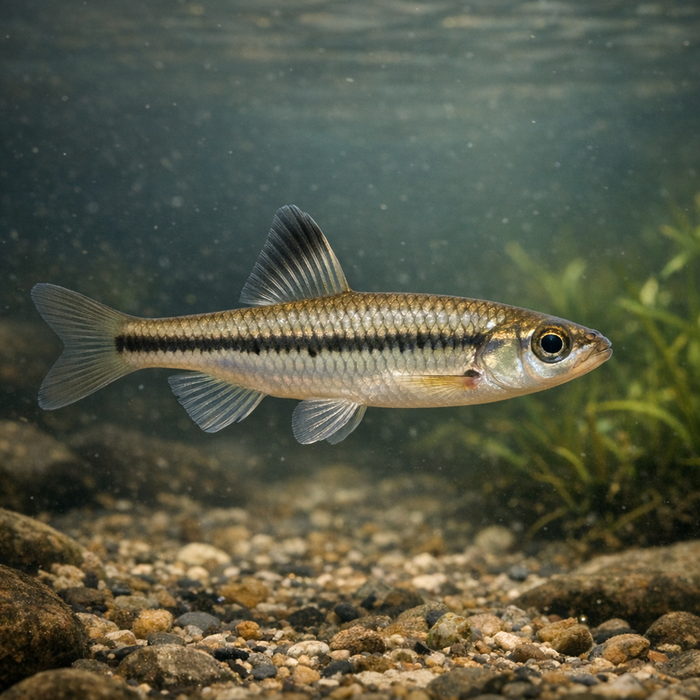
Longnose shiner (miniellus longirostris): A Bold, Memorable Hook LineIntroductionThe longnose shiner is proof that not every catch has to be hulking to be cool. This tiny torpedo cruises bright, sandy runs with a schoolyard swagger, flashing subtle color and quicksilver moves that keep micro anglers grinning. If you want a laid-back lesson in stealth, finesse, and fish-watching, the longnose shiner delivers it in ankle-deep water. Welcome to the lighter side of freshwater obsession.What Makes the Longnose shiner Unique?Let's start with that face. The longnose shiner sports a distinctly elongated snout that overhangs a small, subterminal mouth, perfect for probing sand seams. It's not just cosmetic; it's a functional probe for micro-invertebrates stuffed between grains. During spawning, males tint up with buttery yellows on the fins, turning quiet sand flats into a low-key light show. And while they're tiny, they run deep in numbers. A single pass of a clear run might reveal hundreds, even thousands, holding just inches off bottom in tight formation. Those are the Longnose shiner facts that raise eyebrows.Habitat & Global RangeIf you're chasing Longnose shiner habitat, think Gulf Coastal Plain simplicity: clear to lightly tannic streams and small rivers with clean sand, gentle current, and open glides hemmed by sparse cover. They're a Southeastern specialty, showing up in drainages from Florida's Panhandle through Alabama and Mississippi to Louisiana, often in the kind of overlooked roadside creeks you'd drive past without a second thought. Depth is modest, current is moderate, and the best runs are uninterrupted sand, not rock gardens. Clarity helps; they thrive where silt hasn't smothered the bottom.Behavior & TemperamentThe longnose shiner is a schooling pro. They stack into tight pods that hold position like tiny kites, sliding forward to feed, then snapping back when a shadow flashes overhead. Aggression is low but confidence is high when they're in numbers. They pick at drifting micro-prey and peck delicately at the bottom, making ultralight presentations and tiny hooks the name of the game. Don't expect a brawl; expect finesse and quick adjustments. The fun is in reading the school and getting that satisfying, twitchy take on a hair-sized offering.Ecological ImportanceSmall fish, big role. Longnose shiners cycle nutrients through sandy reaches that would otherwise feel empty. By grazing on micro-invertebrates and pulverizing organic crumbs, they turn sand flats into functioning food factories. Their schools provide a protein bridge for predators like sunfish and juvenile bass, and their eggs and fry feed a cast of aquatic invertebrates and minnows. In short, they knit the system together where vegetation is sparse and structure is minimal.Conservation & Environmental PressuresThe longnose shiner is generally stable, but it's tied to clean sand and honest flow. Smother the substrate with silt or clog the run with algae, and the party's over. Channelization, poorly managed construction runoff, and low summertime flows are the usual villains. Because they're small and often labeled "baitfish," they rarely headline conservation work, yet they're a dead-simple indicator: when sand runs look choked and lifeless, shiners thin out. Keep the water clear, flows seasonal, and banks buffered, and they bounce back fast.The FishyAF TakeWe like the longnose shiner because it forces anglers to recalibrate. It's finesse without the marketing, stealth without the ego. Catching one on a micro fly or a size-24 hook teaches more about drift, line management, and water reading than an afternoon of casting hardware. If you're new to microfishing, the longnose shiner is the friendly gatekeeper: accessible, abundant, and honest. If you're seasoned, it's a reminder that small fish can deliver big satisfaction. Don't overthink it. Stand still, watch the school, and enjoy the simplicity of spot-on presentation in knee-deep water.