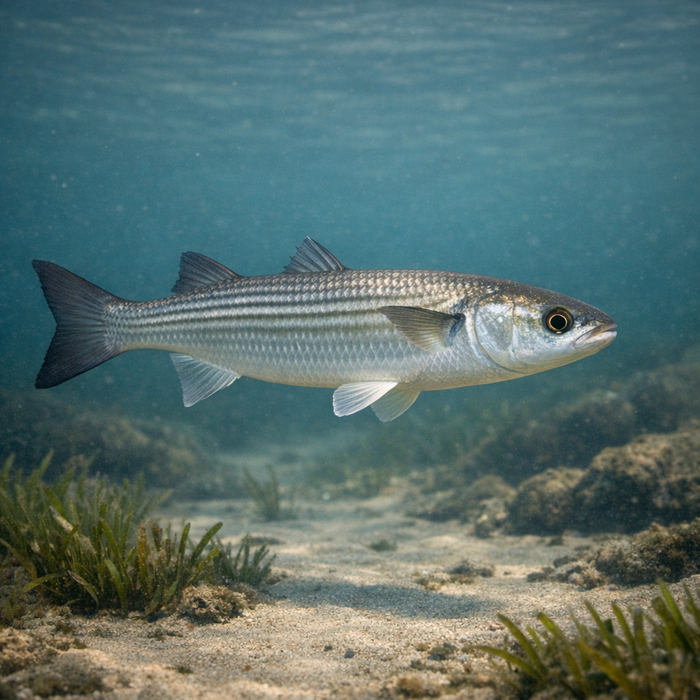
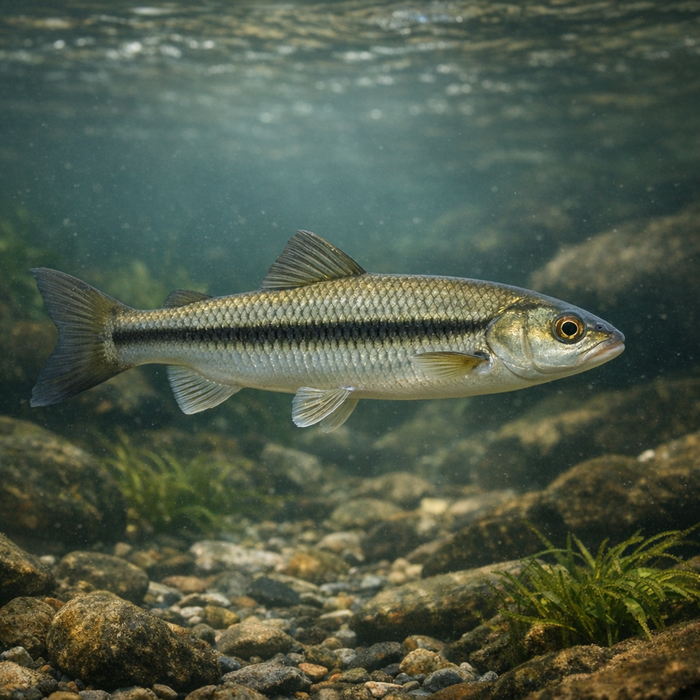
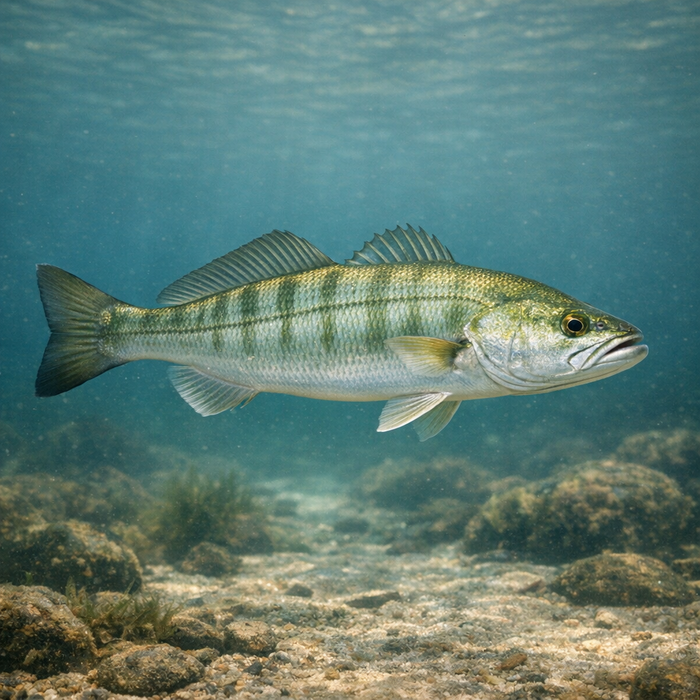
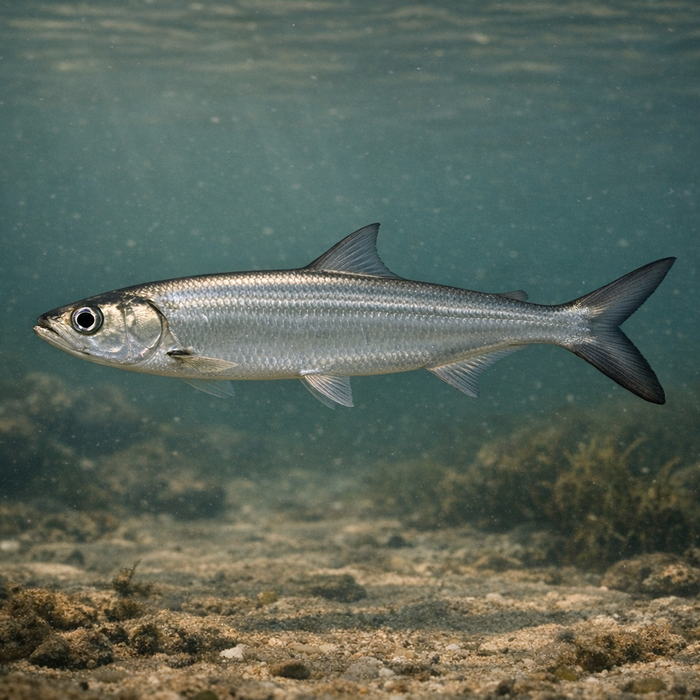
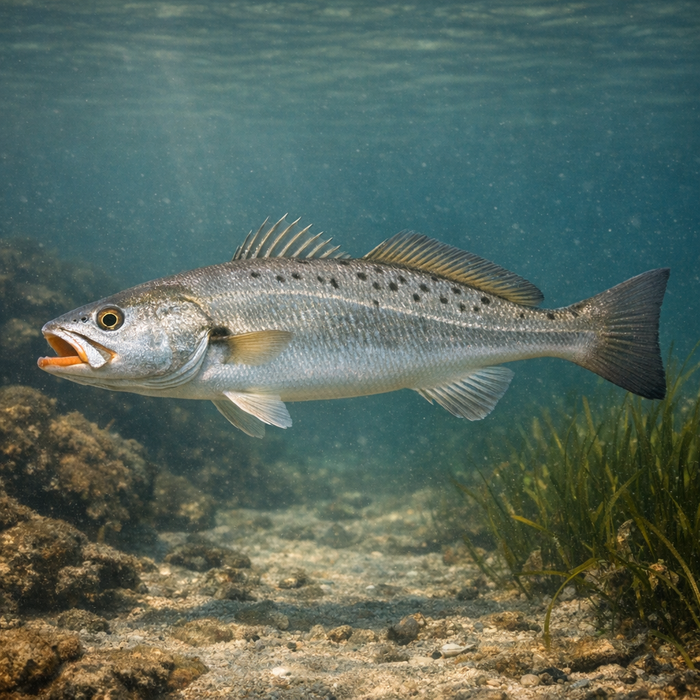
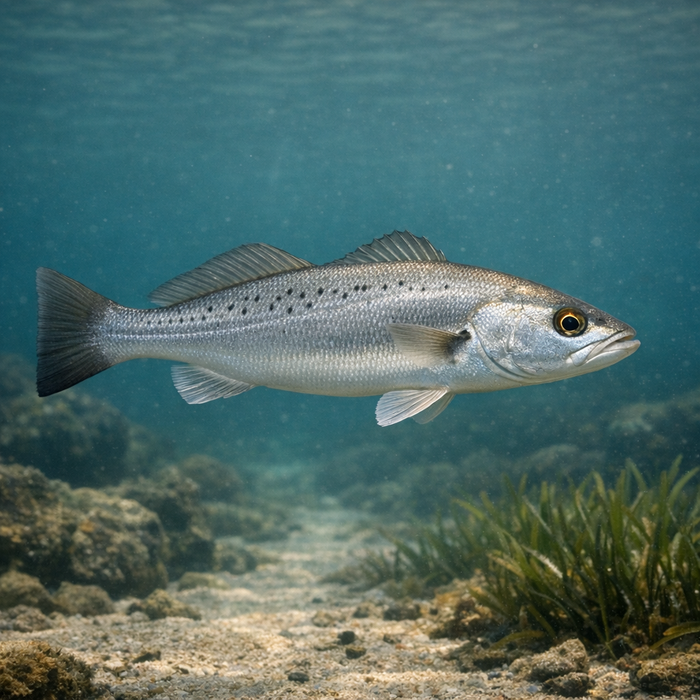
Fantail Mullet (Mugil trichodon): Small Fish, Big Attitude Where Waves Meet The MangrovesIntroductionThe fantail mullet is the estuary's little vacuum cleaner with turbo fins. It's built for skinny water chaos, slipping between mangrove roots, flirting with breakers, and punching well above its weight in the stealth department. Anglers use bread balls and tiny hooks because this fish is a suspicious grazer, not a flashy striker. But ignore it at your own peril: where fantail mullet gather, everything higher on the food chain pays attention. If you want real Fantail mullet facts that help on the water, you're in the right place.What Makes the Fantail mullet Unique?First, that namesake tail. The slightly broadened, fanlike caudal fin gives quick directional changes when schooling tight or dodging predators. Second, the mouth and gut are made for vacuuming life off hard surfaces. Fine, brushlike teeth and a gizzard-like stomach let the fantail mullet scrape, swallow, and grind film algae and detritus into fuel. Third, it's a salinity ninja. From near-freshwater creeks to surf-washed inlets, this fish rolls with the punches and keeps feeding.Habitat & Global RangeThe fantail mullet thrives along tropical and subtropical coasts, especially the Indo-Pacific belt. Think estuaries with gentle flow, flats edging mangroves, sandy surf zones, and harbor corners where algae paints the pilings green. Adults often spawn just offshore, then currents deliver the next generation back inside. If you're scouting Fantail mullet habitat, look for life on structure: boat ramps slicked with biofilm, rock groins, and quiet backwater eddies after rains. They're not loners; expect tight pods pushing bait-sized wakes across calm surfaces.Behavior & TemperamentTemperamentally, the fantail mullet is half monk, half gymnast. It grazes methodically, then panics and cartwheels if a shadow swings wrong. They jump for real reasons: low oxygen, parasites, sudden pressure shifts. The bite isn't a thump; it's a quiver on a tiny float, then either nothing or everything as the school bolts. Hook one and you'll get quick, darting runs, not tugboat power. They're highly visual in clear shallows and instantly punish sloppy presentations.Ecological ImportanceFantail mullet are nutrient recyclers. They scrape microalgae and detritus, cycling energy up the ladder into predators that anglers actually brag about. Juveniles push into estuaries after offshore spawning, feeding like mad and bridging offshore nutrients into inshore webs. Birds, snook, barramundi, trevally, and anything else with teeth notice. Healthy mullet schools usually mean a productive system.Conservation & Environmental PressuresWhile not front-page threatened, fantail mullet deal with all the usual coastal headaches: runoff, sewage pulses, shoreline hardening, and net pressure in some regions. Because they're grazers, water quality hits them straight in the gut. Polluted backwaters can taint flesh, stunt growth, or simply push schools away. They're often caught for bait or local tables, so declines can fly under the radar.The FishyAF TakeThe fantail mullet is humble hardware with premium software. It turns algae slime into horsepower, dodges danger with that fan tail, and schools like a flock of sparrows. For anglers, it's equal parts patience test and puzzle box. You'll learn more about tides, stealth, and micro-presentations chasing these than you will hammering jigs for bullies. And once you crack them, everything else in the estuary starts making more sense. That's the quiet magic of the fantail mullet.