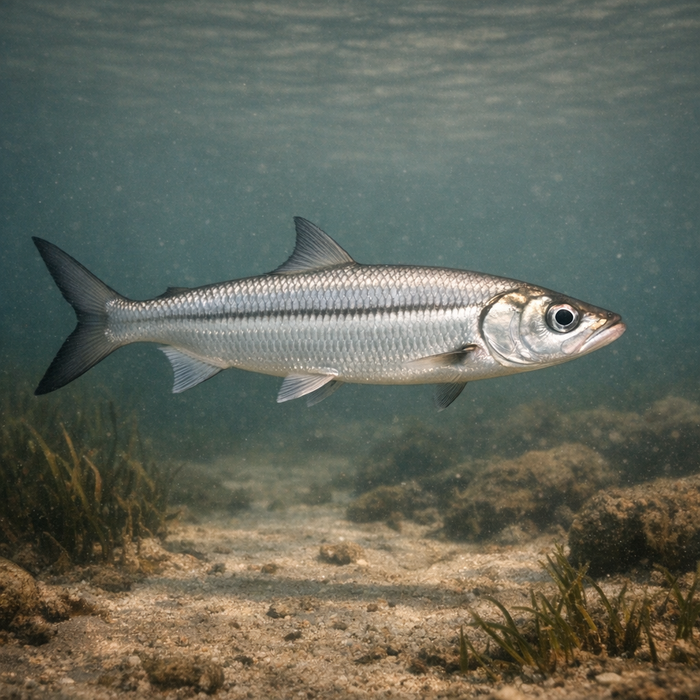
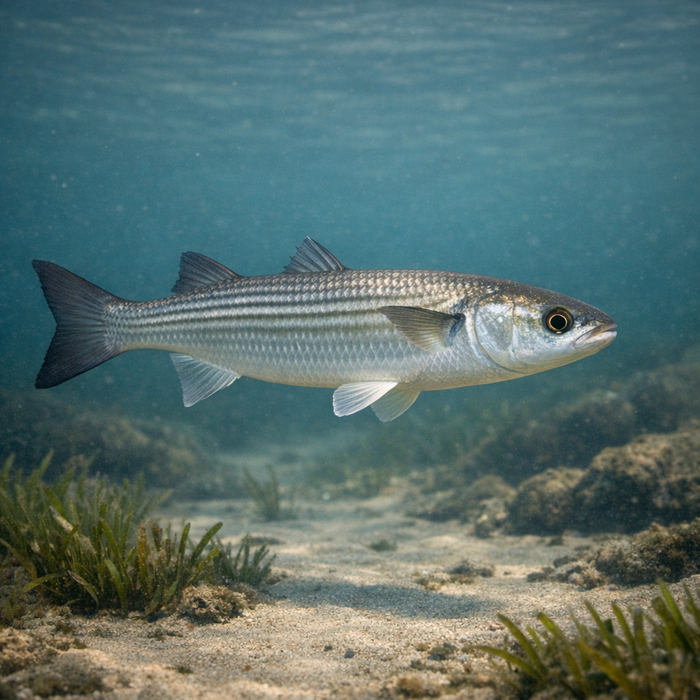
Machete (Elops affinis): Silver rockets that jump like tiny tarpon and torch light tackle.IntroductionThe machete is the inshore surprise you didn't know you needed. Sleek, chrome-bright, and way meaner than its size suggests, this Pacific ladyfish lights up flats, bays, and surf lines from Baja to South America. Hook one and you'll get airborne chaos, scales everywhere, and a reel singing soprano. If you want fast action and pure mayhem, the machete delivers.What Makes the Machete Unique?First, the acrobatics. Machete don't fight, they audition for a circus. Multiple jumps, violent headshakes, and sprint-after-sprint runs are standard. Second, that mouth. It's bony and slippery, built to inhale micro-bait and then weaponize gravity against your hookset. Third, the lineage. This fish shares ancient roots with tarpon and bonefish, packing a bony gular plate and those wild, transparent leptocephalus larvae that literally shrink before turning into juveniles. Add it up and you get a small, high-octane predator that punches above its weight.Habitat & Global RangeIf you're scouting Machete habitat, think warmth, current, and bait. Estuaries, tidal rivers, mangrove edges, surf zones, and sandy channels are prime. They work the edges where tide funnels anchovies, silversides, and shrimp. The species ranges along the tropical and subtropical Eastern Pacific, with strong representation in the Gulf of California and Central America. Juveniles push deep into lagoons and even hypersaline ponds; adults cruise beaches and harbor mouths when tides run. It's classic ambush terrain for a fish built like a torpedo.Behavior & TemperamentSchooling is part of the machete playbook. They blast bait in fast packs, then vanish just as fast. Low light rules: dawn, dusk, and night under dock lights can be silly. They're roamers rather than structure huggers, using current seams, channel bends, and wind lines. Strikes come quick, and hookups can be fickle because of that hard mouth. Keep the rod high, pressure steady, and expect aerials. They're not picky by pedigree, but they do love motion. Spoons, small jerkbaits, soft plastics, and stripped flies all turn heads when moved fast.Ecological ImportanceMachete are snack-sized predators and prey at the same time. They hoover up tiny fishes and crustaceans, thinning out bait clouds and keeping the food web honest. In turn, bigger coastal bruisers cash in on machete schools. Their larvae drift offshore for months as transparent ribbons, feeding the plankton loop before they settle and recruit to estuaries. It's a life cycle that stitches offshore spawning to inshore nursery grounds in a tight feedback loop.Conservation & Environmental PressuresOn paper, machete don't headline conservation campaigns. But the species depends heavily on healthy estuaries and lagoons. Those habitats get hammered by dredging, shoreline hardening, nutrient loads, and periodic low-oxygen events. Extreme heat doesn't help. While machete handle salinity swings like champs, they still need flowing, bait-rich water to thrive. Bycatch and local netting can ding local age structure too. If you want more machete in your life, you also want seagrass, mangroves, and clean tidal creeks.The FishyAF TakeThe machete is the budget tarpon of the Pacific, and we say that with love. It's fast, flashy, and unforgiving if your knots stink. As table fare it's a hard pass, but as a light-tackle wrecking ball it's a total yes. Chase moving water, throw something shiny, and keep the drag honest. If you're collecting Machete facts, here's the best one: few inshore fish deliver more chaos per pound. For anglers who crave action and admire a fish with attitude, the machete is pure fun. Consider it a masterclass in reading current, tracking bait, and learning to keep hooks pinned when a fish decides gravity is a weapon.