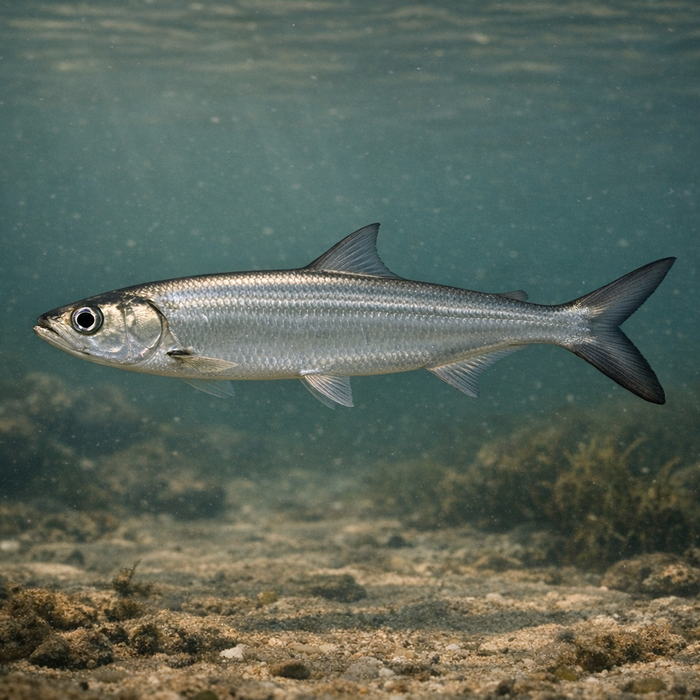
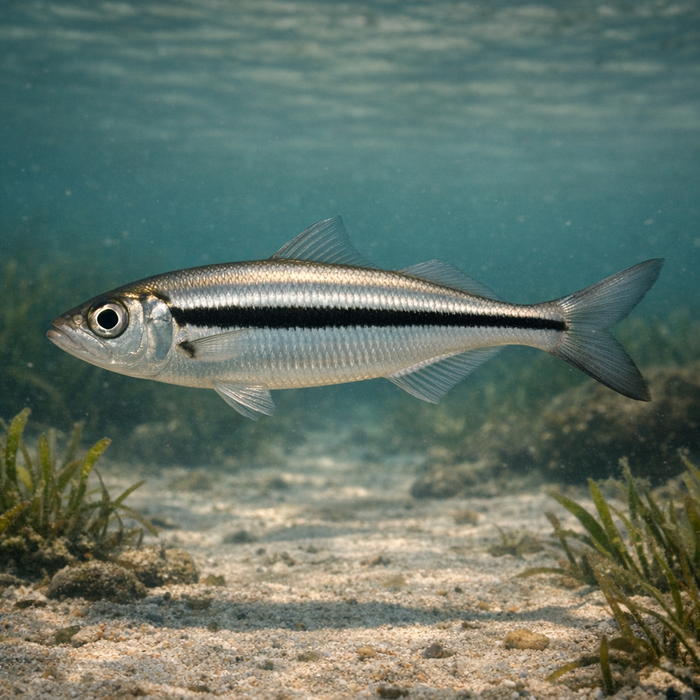
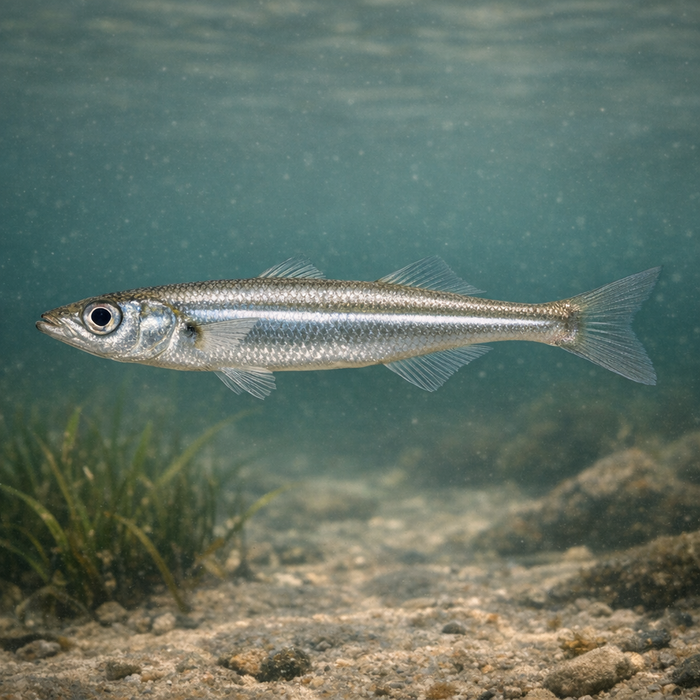
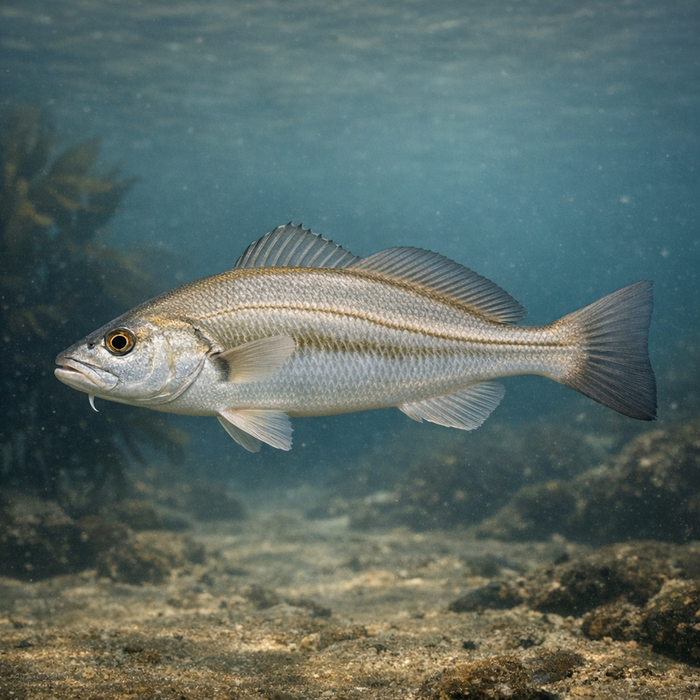
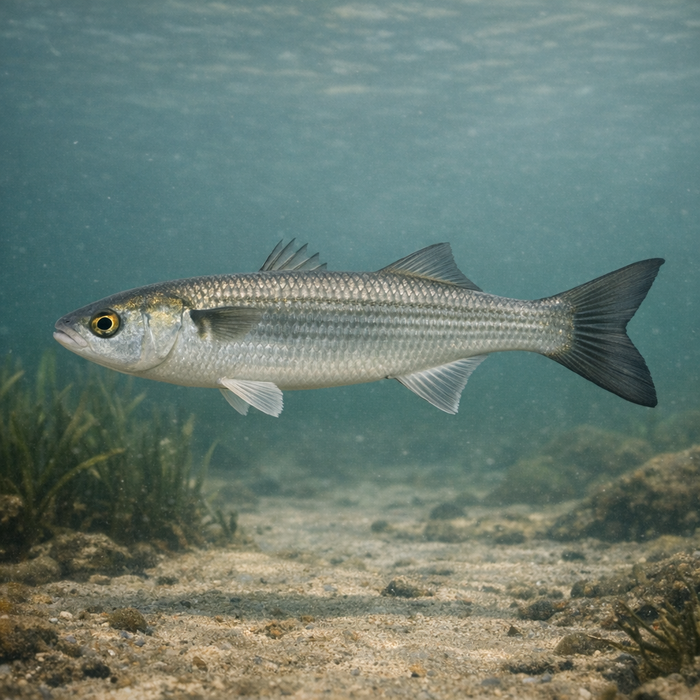
Malacho (Elops smithi): A silver missile that cartwheels like it owes you moneyIntroductionThe Malacho is chaos wrapped in chrome. Hook one and everything gets loud fast: blistering runs, wild jumps, and scales confettiing your deck. This is Elops smithi, a ladyfish relative built for speed, sparkle, and pure fun on light tackle. If you're looking for a fish that hits like it's late for something, welcome to the party.What Makes the Malacho Unique?First, the body plan screams velocity. Long, lean, and torpedo-shaped with a deeply forked tail, the Malacho rockets through surf lines and estuary channels like a chrome dart. Second, it's acrobatic. Few inshore fish spend more time airborne after the hookset; they throw headshakes, backflips, and parachute dives that humble sloppy anglers. Third, the life cycle is bizarre in the best way. Like tarpon and bonefish, Malacho larvae are transparent ribbons called leptocephali that drift on ocean currents, sometimes shrinking before they metamorphose and head inshore. Add a gizzard-like stomach for grinding prey, and you've got a quirky speedster with serious attitude.Habitat & Global RangeIf you're digging for Malacho habitat, think tropical estuaries, mangrove creeks, bays, and nearby surf zones. They haunt current seams where bait funnels, especially around inlets and lagoon mouths. In many places across the Caribbean and the tropical Americas, seasonal pushes bring schools tight to the beach at dawn, while juveniles crowd low-salinity backwaters after heavy rains. Offshore spawning during warm months sets the stage, with currents sweeping larvae landward. It's a fish that's equal parts traveler and homebody: roaming open stretches, then suddenly wolf-packing along a channel edge.Behavior & TemperamentMalacho don't sip, they smash. Expect high-speed chases, blitz-style surface feeds, and panic among bait pods. They're aggressive but not reckless, and they can be line-shy under glassy skies. Hook one and the show kicks off immediately: a screaming sprint, then multiple jumps that test knots and egos. Because their mouths are bony and slick, hook penetration matters. Keep pressure steady through the aerials and you'll convert more bites. Schools often move fast; if the bite dies, slide a few hundred yards and intersect the next pod. They're classic "cover water" fish.Ecological ImportanceThe Malacho slots into the coastal food web as a mid-tier predator that moves energy from small fish and crustaceans into bigger mouths. Juveniles pack nursery creeks, hoovering tiny prey and feeding a parade of snook, tarpon, and seabirds. Adults roam surf lines, harassing bait and becoming meals for larger predators when they slip up. Their leptocephalus larvae disperse widely offshore, a strategy that hedges bets across a patchy coastline and keeps estuaries stocked.Conservation & Environmental PressuresOfficial listings often lag behind the science, and Malacho is no exception. With cryptic species and overlapping ranges, formal assessments can end up as data deficient. What we do know: this fish leans hard on healthy estuaries and mangroves. Lose those and you lose recruitment. Pollution spikes, freshwater mismanagement, and shoreline hardening whack nursery habitat first. Net pressure in tight channels can add stress. The silver lining is resilience; where habitat remains, Malacho bounce back quickly.The FishyAF TakeIf you want a masterclass in speed and chaos, the Malacho is your professor. It's the fish you chase when you need action now, not a seminar in patience. Light spinning, a couple spoons or small jigs, and you're dangerous. On fly, a sparse streamer stripped like it's trying to leave town gets crushed. As table fare, it's more bones than banquet, but for pure sport this fish is dynamite. The best Malacho facts are simple: show up early, find current, keep hooks sharp, and embrace the circus. When they go airborne, you'll either laugh or cry. Usually both. That's the point.