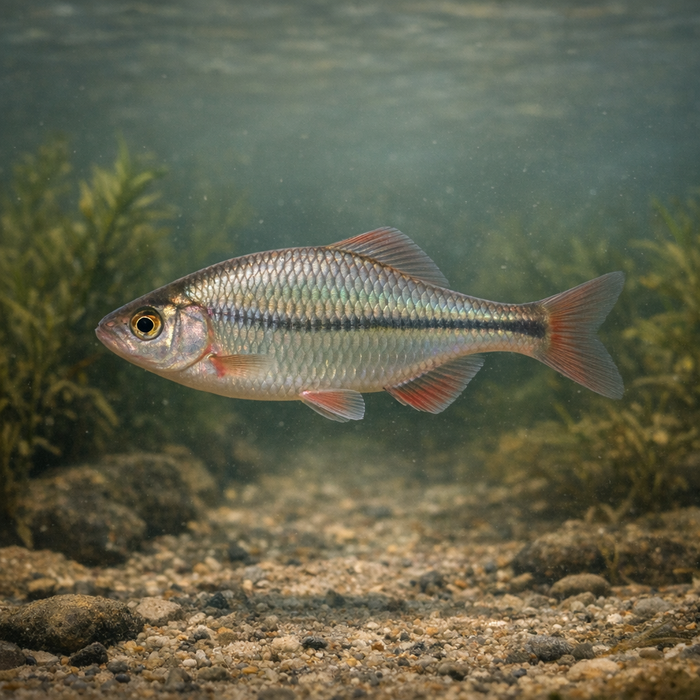
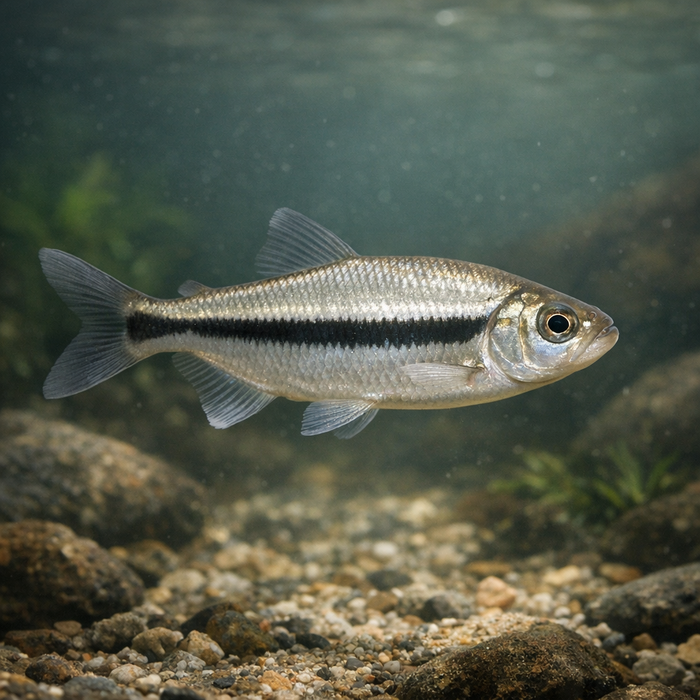
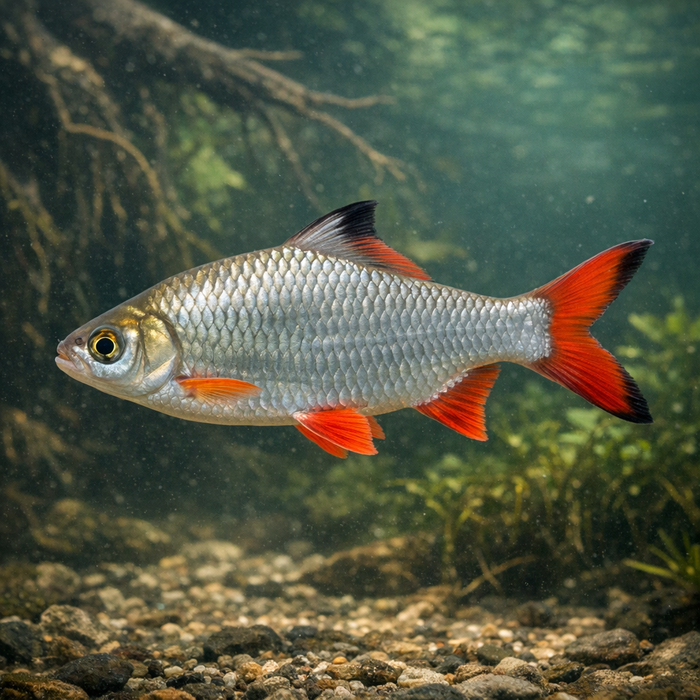
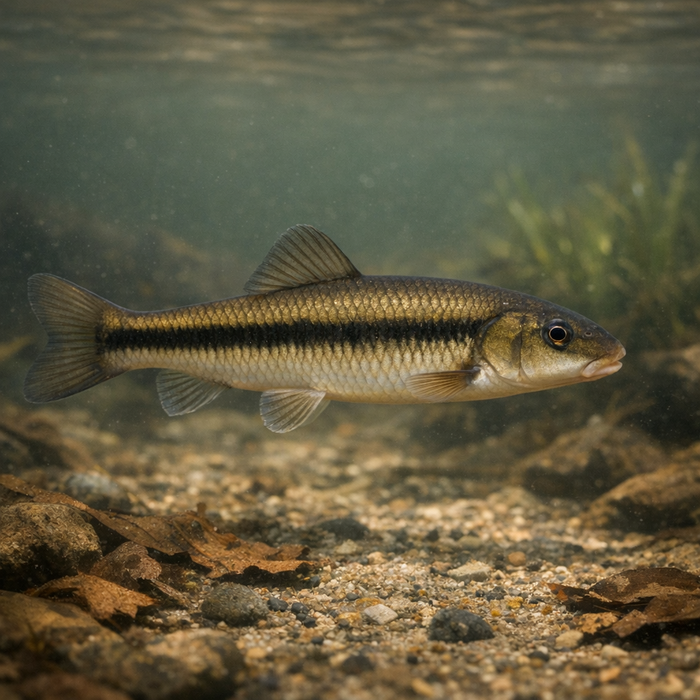
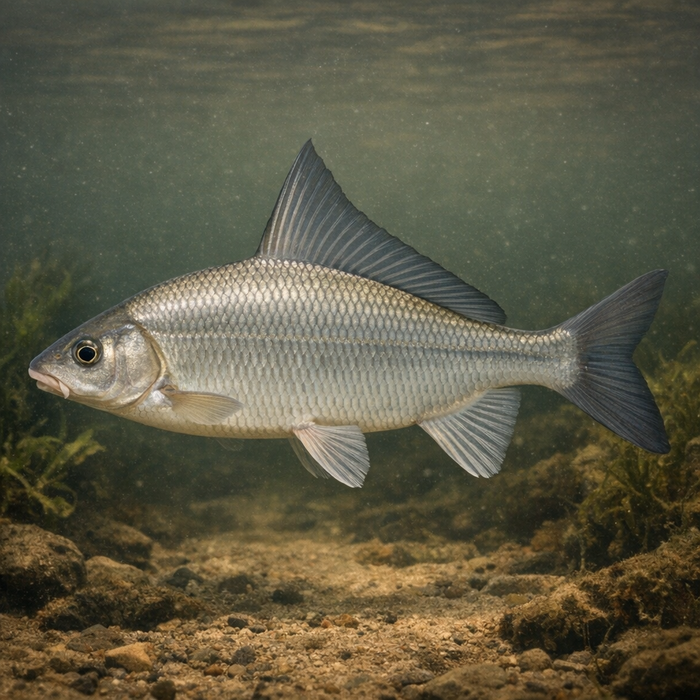
Goldeye (Hiodon alosoides): A Bold, Memorable Hook LineIntroductionThe goldeye is the underrated surface sipper of the prairie, a silver blade with a golden stare and a talent for exploding on bugs like it forgot it isn't a trout. It's common where it lives, ignored where it doesn't, and loved by the folks who know smoked fillets are the right way to treat an oily, bone-plated fish. If you want the fast version of Goldeye facts: this is a lowland river specialist that eats like a mayfly addict and punches above its weight on light tackle.What Makes the Goldeye Unique?Start with the obvious: the bright golden iris that gives the goldeye its name. That glow isn't just fashion; it helps in low light, perfect for dusk surface feeds. Second, goldeye are one of the few North American freshwater fish with semi-buoyant eggs, so their spawn drifts with current. Third, they're shockingly willing to rise. Toss a small dry fly during a mayfly hatch and a goldeye will show up like it got the RSVP weeks ago. That combination of optics, reproduction strategy, and topwater habit makes this fish weird in all the right ways.Habitat & Global RangeGoldeye habitat is classic prairie water: turbid rivers, big floodplain lakes, and slow backwaters with modest visibility. You'll see them in the Red River of the North, the Missouri and Yellowstone systems, and across central Canada, especially the Lake Winnipeg drainage. They favor edges where current softens: seam lines, eddies, riprap, undercut banks, and creek mouths. In lakes, think windblown shorelines, inlets, and the first break off flats. Depth isn't complicated; goldeye spend a lot of time near the surface or mid-column, cruising for drifting insects. Seasonal movement is river-centric: upstream to spawn in spring, spreading back to feeding zones as water warms.Behavior & TemperamentThe goldeye is a roaming grazer with sudden aggression. It feeds on insects, small crustaceans, and the occasional minnow, but the attitude is all about what's drifting. When something hatches, they rise in packs and swipe fast. Hooked fish thrash, dash, and sometimes jump, which keeps 1- to 2-pounders entertaining on ultralight spinning or a 4-5 weight fly rod. They aren't structure-bound like bass; they're current and food bound. Low light is prime time, but overcast middays can light them up. They'll ghost away from clumsy bankside shadows but don't require ninja-level stealth-clean presentations trump secrecy.Ecological ImportanceGoldeye are both vacuum and victim. As surface and midwater feeders, they translate insect production into fish biomass that fuels pike, walleye, and bigger predators. Their semi-buoyant eggs use the river itself to spread the next generation, a strategy tuned to big, turbid systems that regularly pulse with flow. Where they're abundant, goldeye are a key conveyor belt moving energy from buzzing bugs and drifting invertebrates into the higher rungs of the food web.Conservation & Environmental PressuresOverall, the goldeye sits at Least Concern, but that comfort depends on river health. Dams that flatten seasonal flow, bank hardening that kills off backwaters, and nutrient overloads that trigger oxygen crashes all chip away at quality. Because goldeye rely so heavily on drift and edges, channelization and the loss of floodplain connections are particularly bad news. The good news: they're hardy, adaptable fish that tolerate turbidity and moderate swings in temperature. Keep the rivers flowing, with side channels alive and insect life booming, and goldeye do just fine.The FishyAF TakeThe goldeye is proof that you don't need mountains to have a classy topwater bite. It's the prairie's answer to evening dry-fly fever, minus the gatekeeping. Anglers sleep on this species because it isn't glamorous and because bones make knife work annoying. Fine-more action for the rest of us. If you're chasing authentic Goldeye habitat, park on a river seam at dusk with a small fly or a bait under a float and watch for dimples. The hit is quick, the tussle honest, and if you're into culinary homework, a brine and smoke will turn that oily flesh into something legendary. That's the goldeye: simple water, sneaky sophistication, and a golden eye watching for your next mistake.