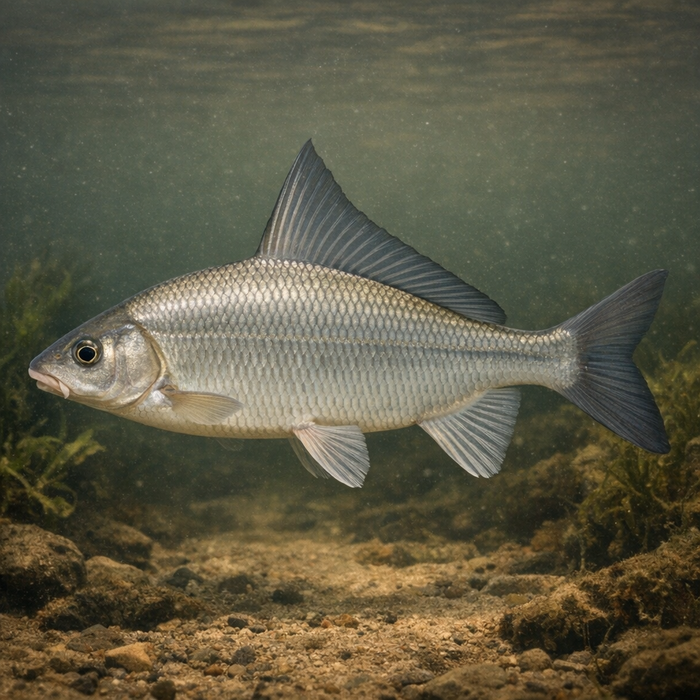
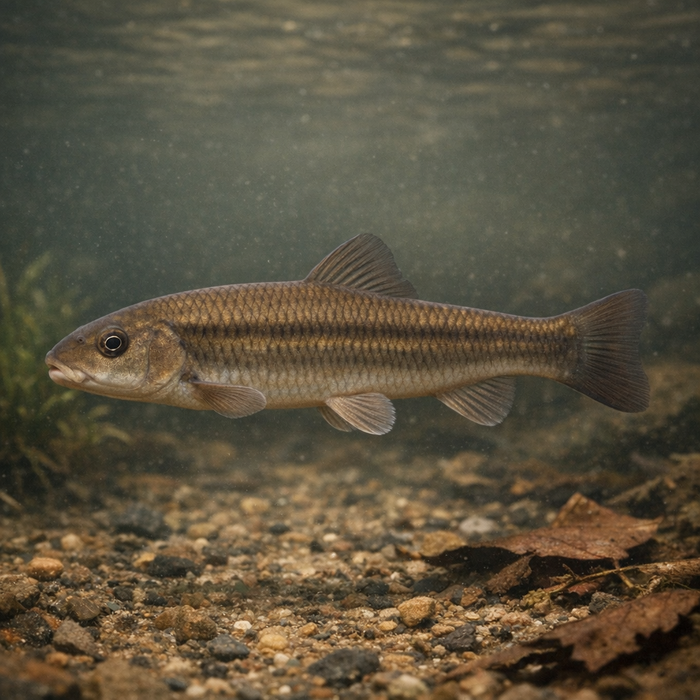
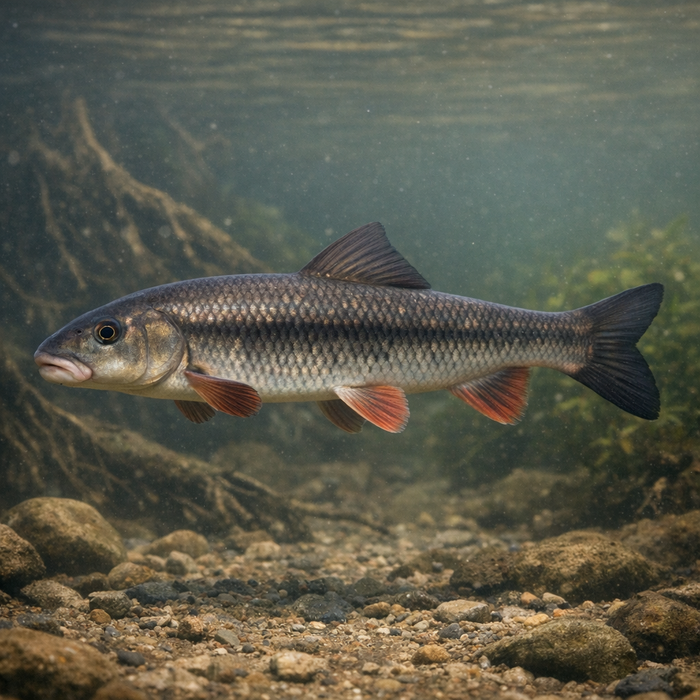
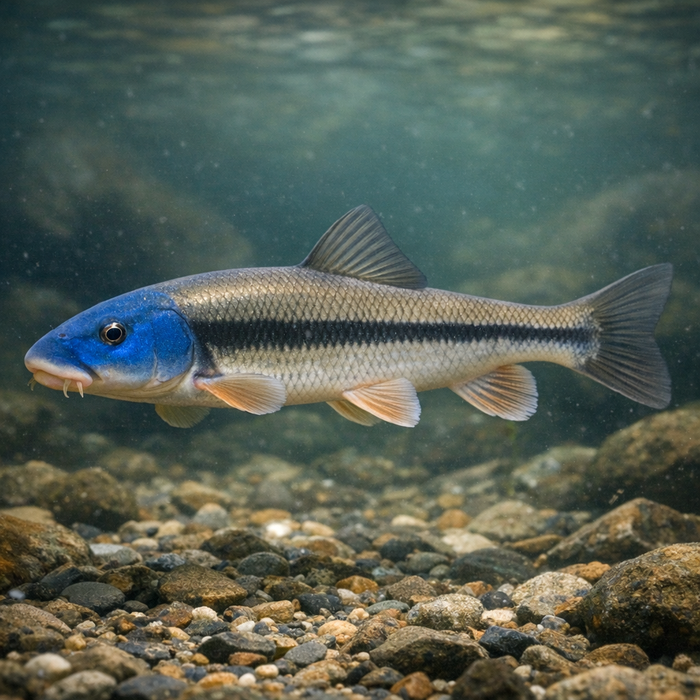
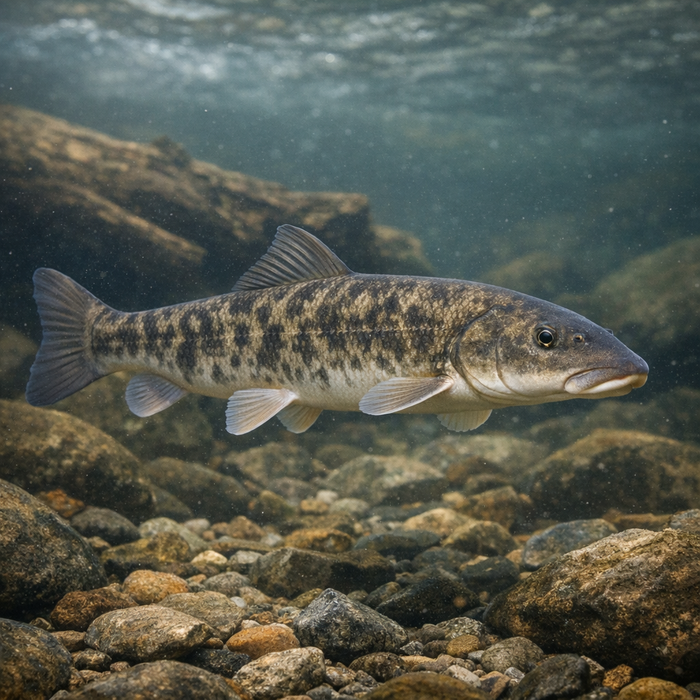
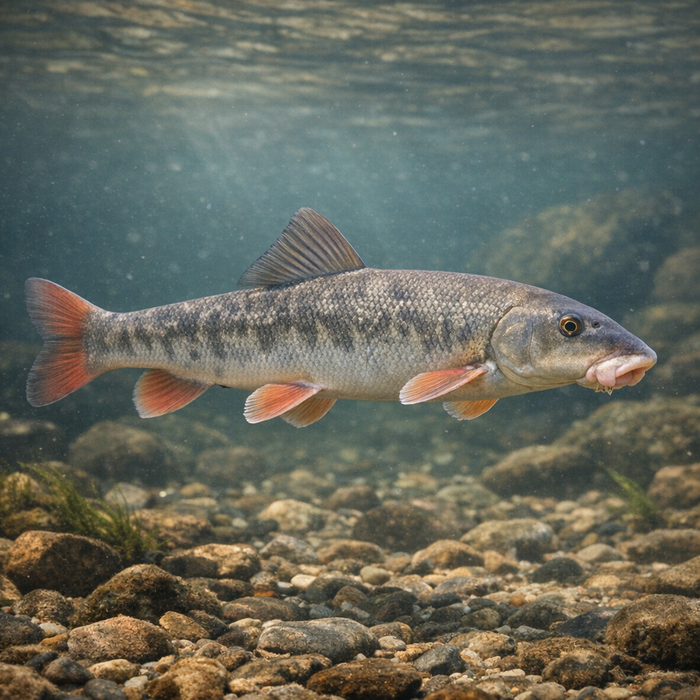
Eastern Creek Chubsucker (Erimyzon oblongus): The quiet vacuum cleaner of Eastern creeks with a sneaky cult followingIntroductionThe Eastern creek chubsucker is the unassuming creek dweller that turns finesse fishing into a patient person's sport. It's not flashy, it doesn't smash topwater plugs, and you won't see it on a magazine cover. But if you like stealth, sight-reading current seams, and outsmarting finicky bottom-grazers, the Eastern creek chubsucker will make you a believer. Consider this your crash course in Eastern creek chubsucker facts and why this humble sucker belongs in your species list.What Makes the Eastern creek chubsucker Unique?Start with the face: thick, rubberized lips that hinge downward and Hoover up morsels from gravel and leaf packs. Then there's the missing hardware - this fish has no lateral line, a rarity among North American fishes. It relies on close-range cues and steady foraging rather than fast-triggered, long-range sensory strikes. Finally, its shape delivers truth-in-advertising: a chunky, chub-like body with a sucker mouth. Put all that together and you get a fish that rewards careful presentations and low-key anglers who love reading water.Habitat & Global RangeIf you want Eastern creek chubsucker habitat in a nutshell, think clear to tea-stained creeks with sand, fine gravel, or leaf-litter bottoms. It favors gentle pools, glides, and inside bends with woody debris, often tucked where the current softens. The species ranges across the Eastern U.S., with strongholds in Atlantic-slope drainages from the Northeast through the Southeast, plus some connections into adjacent inland waters. It shows up in small rivers, spring runs, backwaters, and even quiet coves of ponds. Depth is usually modest - knee-deep to a few feet - but what matters is clean substrate and consistent flow.Behavior & TemperamentThe Eastern creek chubsucker is not aggressive. It's a grazer and picker, moving methodically along the bottom, nudging gravel, and sifting for invertebrates and organic bits. Juveniles may group loosely, but adults skew solitary. Expect subtle takes: a hesitation in the line, a tiny tick, a slow sidestep. Spawning hits in spring when warming water pulls fish onto clean gravel; several fish may crowd riffle edges for a quick flurry, then they're back to business. They rarely surface-feed and spend nearly all their time where the bottom tells the story - edges of current, root wads, and calm lanes stacked with leaves.Ecological ImportanceCall them the cleanup crew. Eastern creek chubsuckers process detritus, dislodge sediments, and convert benthic invertebrates into fish protein for bigger predators. Their gentle sifting stirs microhabitats, moving fine materials out of crevices that in turn hold eggs, insects, and oxygenated flow. They're also a quiet indicator species. When streams go turbid, channelized, or clogged with silt, chubsuckers fade out. When creeks run clear with structure and living substrate, they thrive. Healthy chubsucker numbers usually reflect healthy small-stream ecosystems.Conservation & Environmental PressuresThe Eastern creek chubsucker sits at Least Concern overall, but that's not a permanent guarantee. Siltation from development, poorly managed road crossings, and riparian abuse can smother the clean substrates they need. Low, hot summer flows and nutrient overload shift creeks toward algae-choked slop, which this species doesn't love. Add in barriers that cut off short spawning runs and you can see how a common fish becomes locally scarce. Fortunately, simple fixes help: tree-lined banks, intact floodplains, protected springs, and mindful culvert design keep these fish on the map.The FishyAF TakeThe Eastern creek chubsucker is the anti-hype fish that makes you better at fishing. If you can fool this species with 4-pound line, a micro hook, and a natural drift, your trout and smallmouth game tightens up too. It's a finesse puzzle living in plain sight, and once you start seeing bottom contours the way a chubsucker does, you'll never unsee them. Bring worms or a tiny nymph, slow your roll, and watch the creek come alive. The Eastern creek chubsucker won't rip drag, but it will sharpen your instincts, and that's a win in any water.