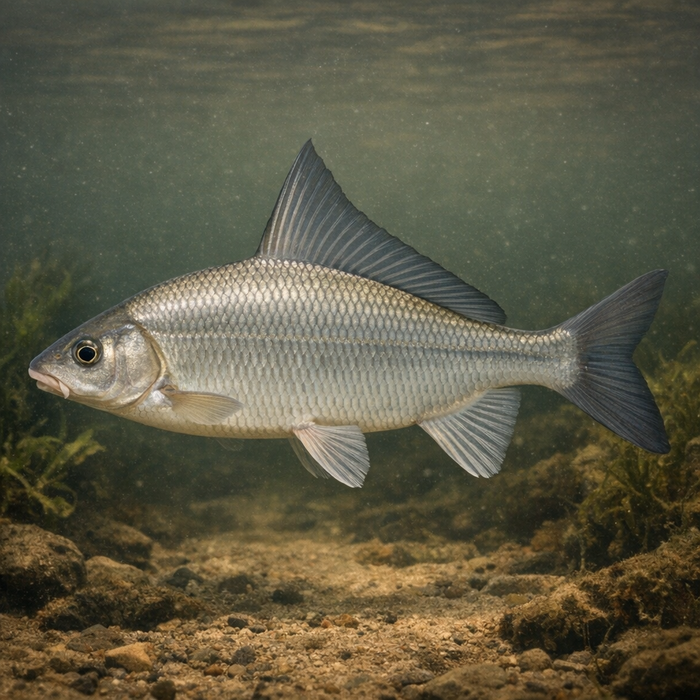
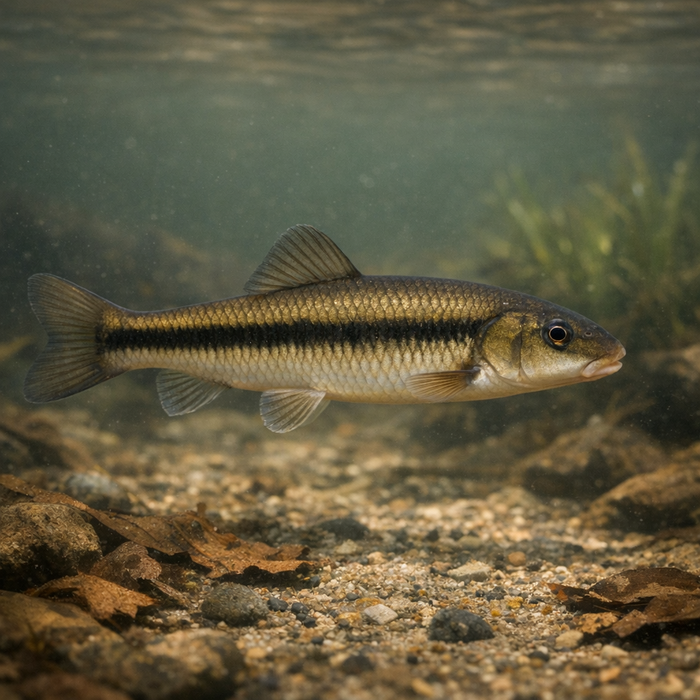
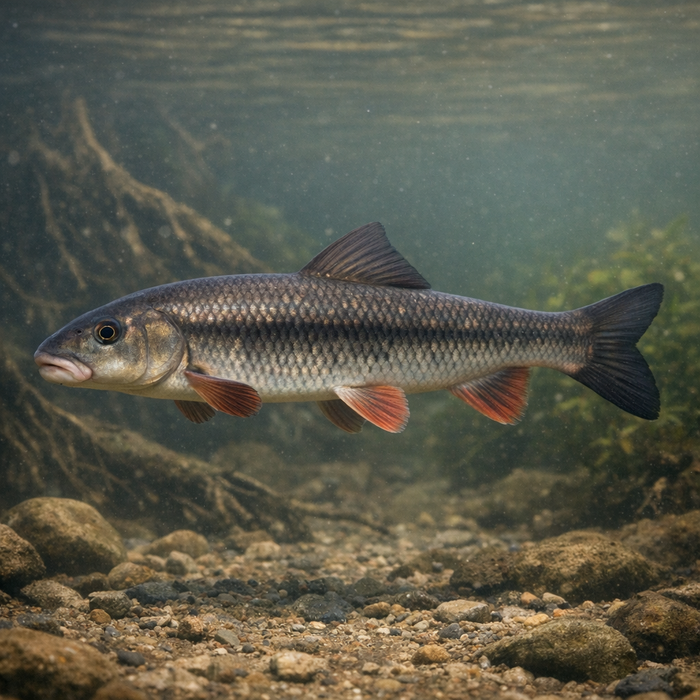
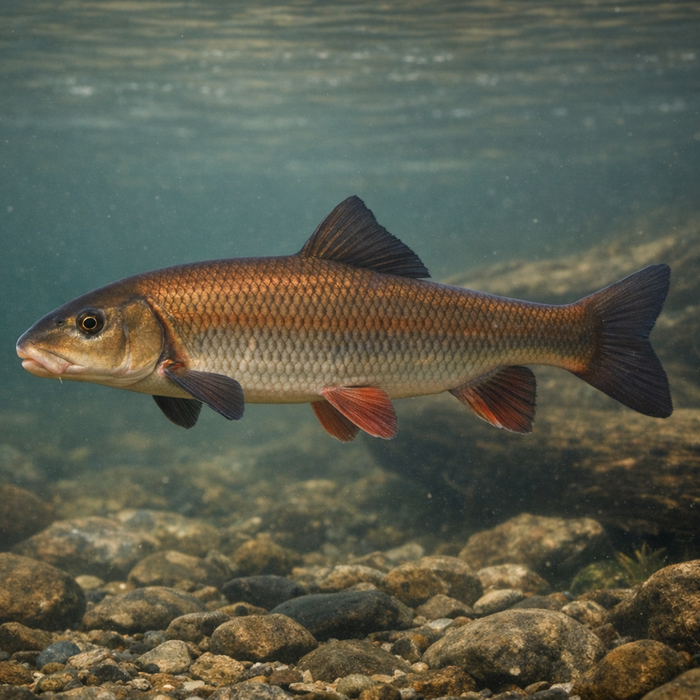
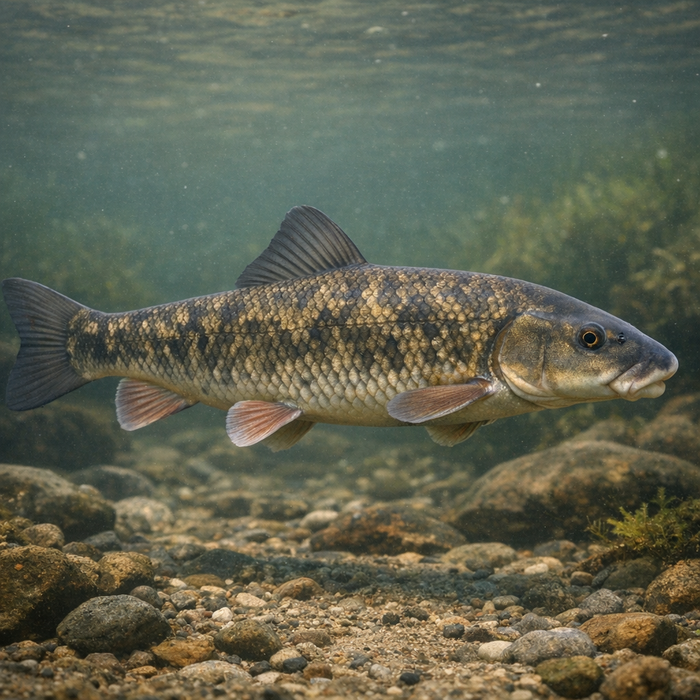
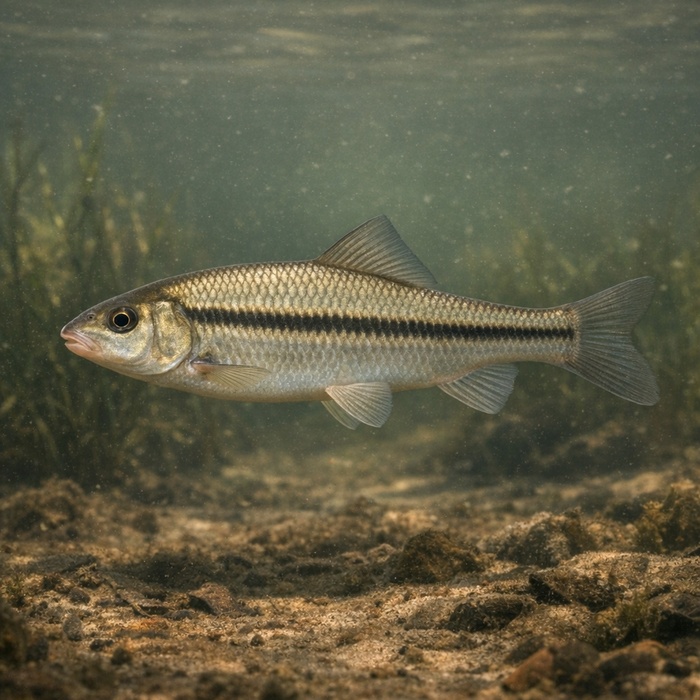
Western creek chubsucker (Erimyzon claviformis): Vacuum-Mouthed Underdog of Clear CreeksIntroductionThe Western creek chubsucker is the blue-collar fish doing cleanup duty where bass and trout get all the posters. It cruises clear runs, vacuums the bottom like it owns the place, and quietly builds the structure that makes creeks come alive. You might not plan a trip around it, but spend a day watching one bulldoze gravel and you'll start to care. These stout, bronze-backed suckers are tougher, sneakier, and more useful than most anglers realize.What Makes the Western creek chubsucker Unique?Two things jump out. First, the Western creek chubsucker lacks a lateral line, that "sixth sense" row of pores most fish use to read water. It still thrives in currents, which tells you just how dialed the rest of its sensory toolkit is. Second, that fleshy, downturned mouth doesn't just graze; it engineers. The fish bites into sand and small gravel, churns it, and spits out cleaner, oxygenated substrate. Add in spring coloration, with males bronzing up and sprouting tiny tubercles, and you get a fish with more personality than the name suggests.Habitat & Global RangeThis species is a product of the central U.S., especially the Mississippi and Ohio-Tennessee drainages and the Ozark-bordering creeks that define Western creek chubsucker habitat. Picture small to mid-sized streams with clear water, steady flow, and bottoms mixing sand, pea gravel, and patches of silt. Riffle margins, pool tails, and undercut banks are prime real estate. They tolerate a bit of stain after rains but go sour when chronic silt buries the gravel. You'll cross paths with them in farm-country creeks, forested hill streams, and backwaters linked to larger rivers when flows stabilize.Behavior & TemperamentCall them methodical. The Western creek chubsucker works upstream in short pushes, rooting into the bed, then drifting a step to repeat the process. Adults tend to travel in loose singles or pairs, with more visible pods when food concentrates. When water temps rise into the 60s, they move toward cleaner, shallower riffles to broadcast eggs over gravel. They're not brawlers on the line, but they are cagey, mouthing baits and spitting instantly if something feels wrong. Sight-fishing is common; a careful drift to the nose beats blind casting all day.Ecological ImportanceThis fish is a freshwater janitor with a construction crew's mindset. By vacuuming fine sediments and spitting them out, it exposes clean gravel that boosts insect production, improves egg survival for multiple species, and keeps riffles breathing. Juveniles feed the usual creek predators, and adults bridge energy from the benthos to the rest of the food web. The Western creek chubsucker isn't a celebrity, but remove it and your favorite smallmouth run gets poorer, slimier, and quieter.Conservation & Environmental PressuresOfficially, the species sits pretty as Least Concern across much of its range, but it's locally sensitive to the usual suspects: chronic siltation from runoff, channelization that scours away pools and riffles, and small dams that block access to spawning gravels. Because a Western creek chubsucker wants clean, interlocking stones, anything that coats rocks in mud or locks them in concrete is bad news. The fish will ride out short floods and spring swings, but it won't thrive where every rain turns the water to chocolate milk.The FishyAF TakeThe Western creek chubsucker is the creek rat's litmus test. If they're thick, the stream's healthy. If they're scarce, start asking hard questions about land use upstream. Angling-wise, this fish is a perfect excuse to slow down and sharpen your small-water game. Tiny hooks, stealthy drifts, and the patience to watch a bronze shadow tip forward and inhale a fleck of worm. It's not about hero shots; it's about reading a seam, dropping a split shot just right, and learning to love the hum of a wild creek. File under: Western creek chubsucker facts you don't learn staring at bass lures.