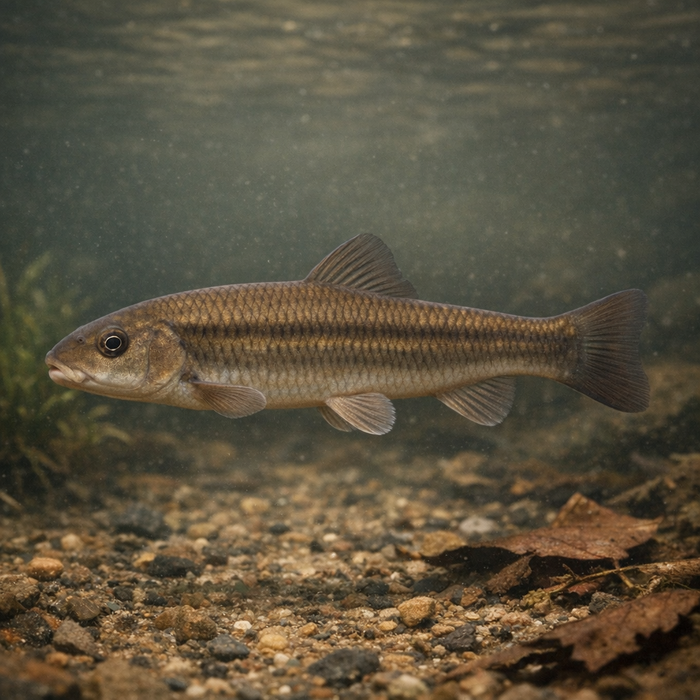
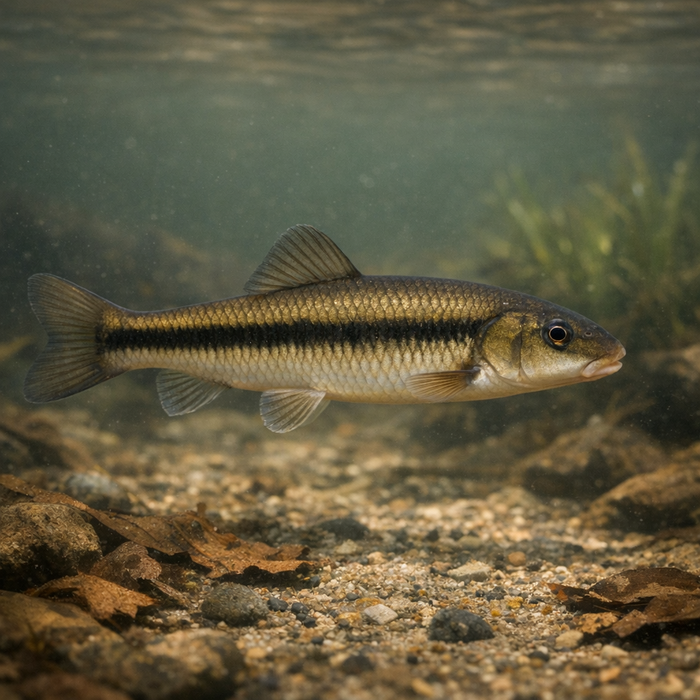
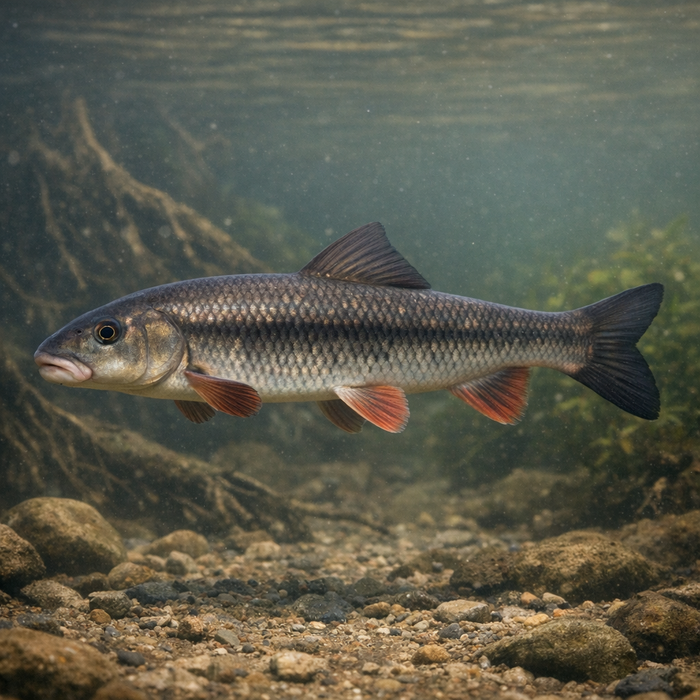
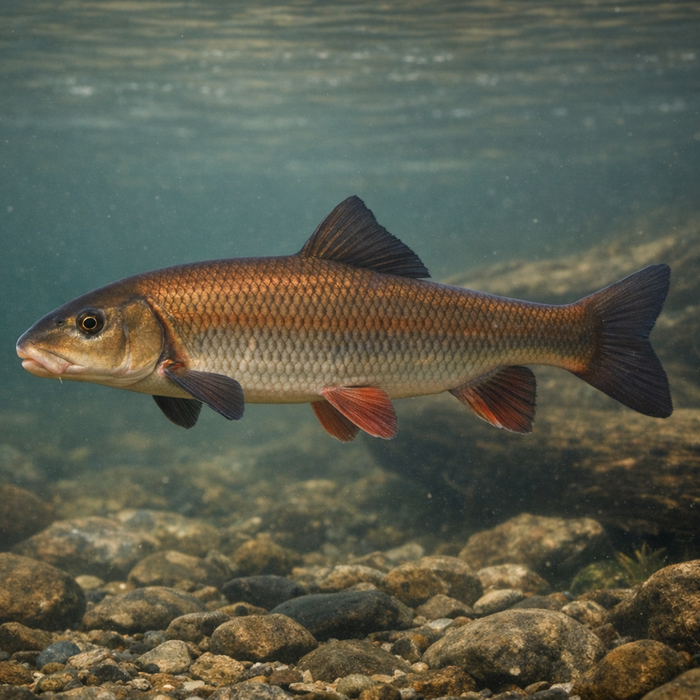
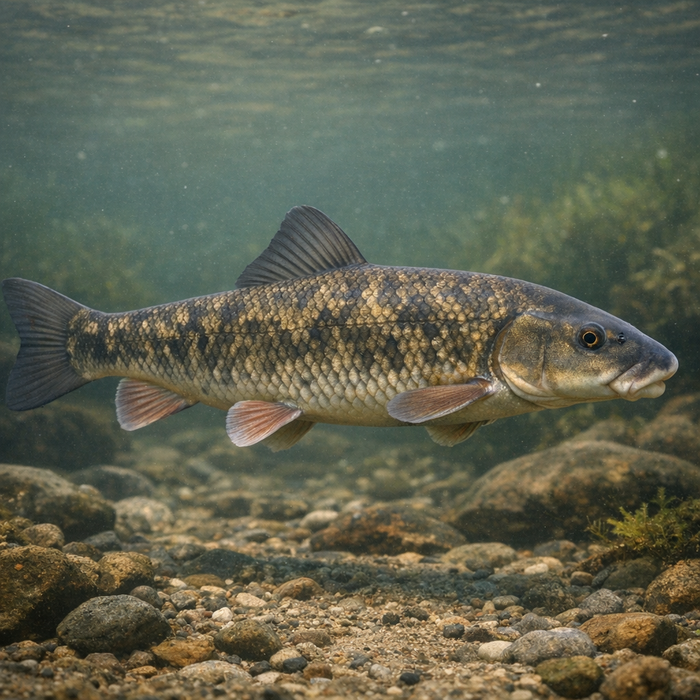
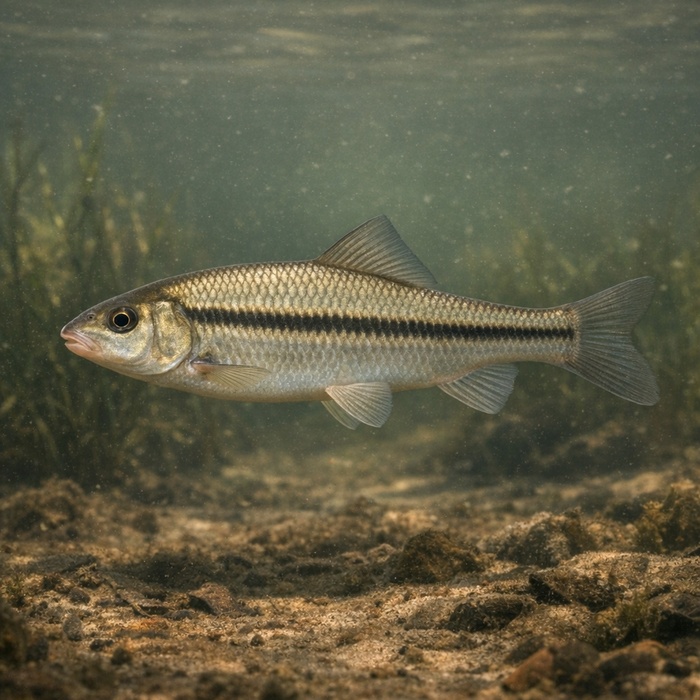
Highfin carpsucker (Carpiodes velifer): A Bold, Memorable Hook LineIntroductionMeet the tuxedoed vacuum of America's big rivers. The highfin carpsucker is a slick, silvery native sucker with a sail-like dorsal fin and a face built for hoovering fine silt. It's not loud like a bass, but it's tougher to outsmart than most folks think. For anglers willing to slow down and fish clean, this fish is an underrated ticket to steady action and surprisingly photogenic catches.What Makes the Highfin carpsucker Unique?Start with the signature hardware. The highfin carpsucker carries a tall, sharply arched dorsal fin that pops on sight, giving the fish a distinctive, almost sailfish-lite silhouette in freshwater. Its subterminal, protrusible mouth is a precision tool for sifting micro-invertebrates from sand and silt, then running them through dense gill rakers. Unlike common carp, it lacks barbels, which makes ID fast once you know the look. The combination of that skyscraper dorsal and smooth, coin-bright sides makes the highfin carpsucker one of the easiest rough fish to recognize from shore.Habitat & Global RangeIf you're scouting "Highfin carpsucker habitat," think large, lowland rivers with moderate current, long pools, and steady seams. The species also adapts well to impoundments and reservoir backwaters with firm sand or mixed gravel bottoms. Current is more friend than foe; these fish use the flow to feed efficiently while staying just off the heavy push. Their North American stronghold sits across the Mississippi River system and connected drainages, with regional footholds in tributaries where water clarity, substrate, and flow line up. Water quality matters: they do their best work when silt isn't smothering every inch of bottom life.Behavior & TemperamentHighfin carpsuckers are methodical. They roam edges, tailouts, and soft-current flats like slow vacuums, sipping and spitting until something tastes right. Bites are classic sucker behavior: light, deliberate, often just a couple taps or line lift. They don't smash baits, so precision rigging beats brute force every time. While not brawlers, they'll use current well, turning a modest fish into a decent tussle on light line. They commonly travel in loose groups, particularly around seasonal movements tied to spring flows and rising temperatures.Ecological ImportanceThis species is a cleanup crew and a conveyor belt. By sifting fine detritus and invertebrates from bottom sediments, they move energy from the benthos up the food web. Juveniles feed predators; adults recycle nutrients and help keep benthic communities balanced. In systems with healthy highfin carpsucker populations, you're often looking at rivers with at least acceptable flow and substrate stability. They're a native cog that quietly makes Midwestern and Southern rivers tick.Conservation & Environmental PressuresOverall, the highfin carpsucker sits comfortably as a species, but local fortunes hinge on flow management and habitat integrity. Channelization, excessive siltation, low spring flows, and prolonged turbidity can hammer spawning shoals and the tiny critters these fish eat. Reservoir operations that yank water levels around during spawning windows can leave eggs high and dry. Thankfully, they're adaptable, and many river restoration efforts that stabilize banks and protect gravel bars pay immediate dividends for this fish.The FishyAF TakeIf you want a masterclass in subtlety, chase the highfin carpsucker. It rewards anglers who pay attention to current seams, bottom composition, and bite detection. Rig small, fish clean, and stop yanking on every ghost nibble. The payoff is a uniquely handsome native with a dorsal fin that photographs like a trophy and a habit of showing right where you can stand and cast. You came for Highfin carpsucker facts; you'll stay because this fish turns ho-hum river days into confidence clinics. Rough fish? Sure. But rough fish with style and a teaching degree.