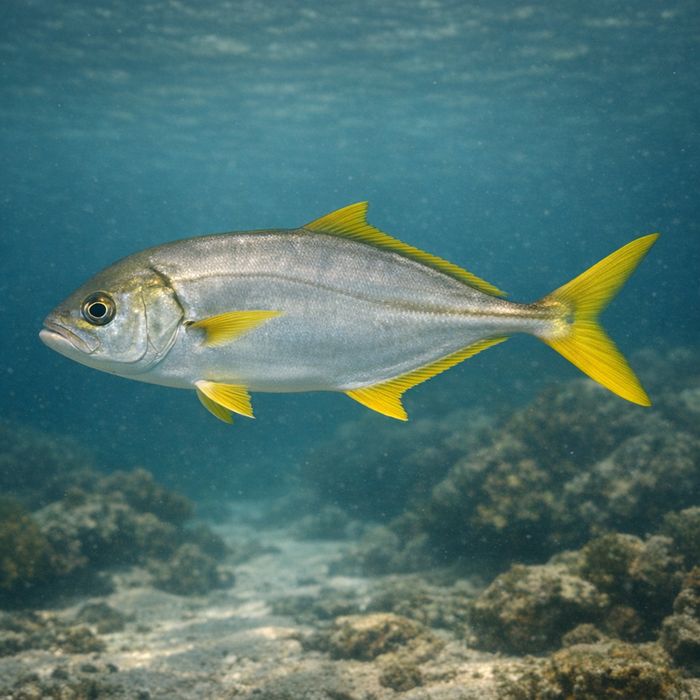
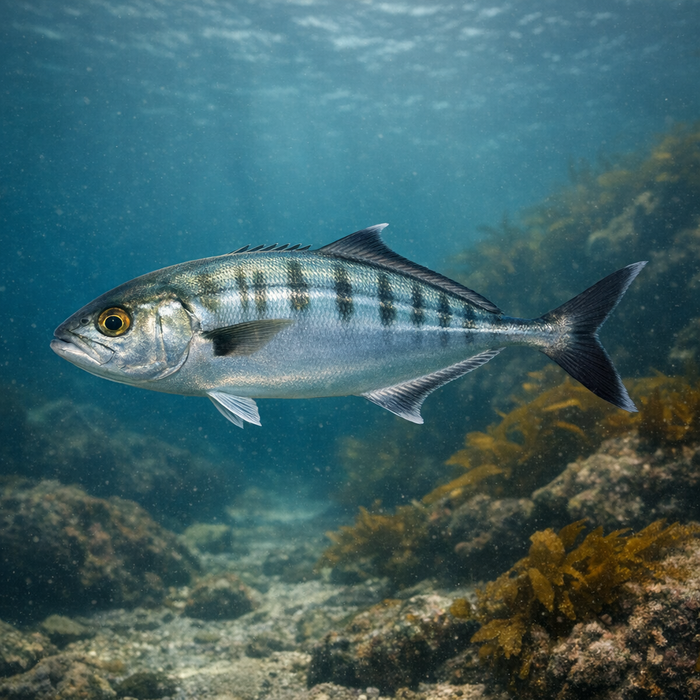
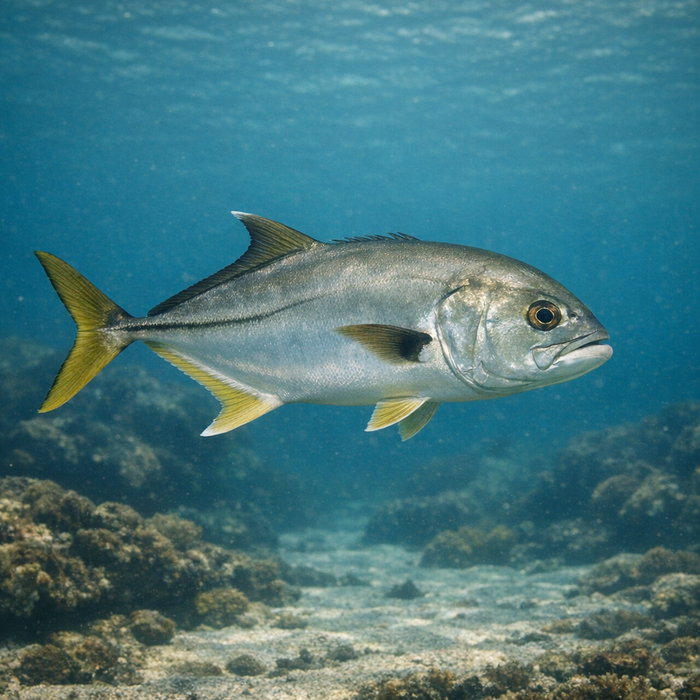
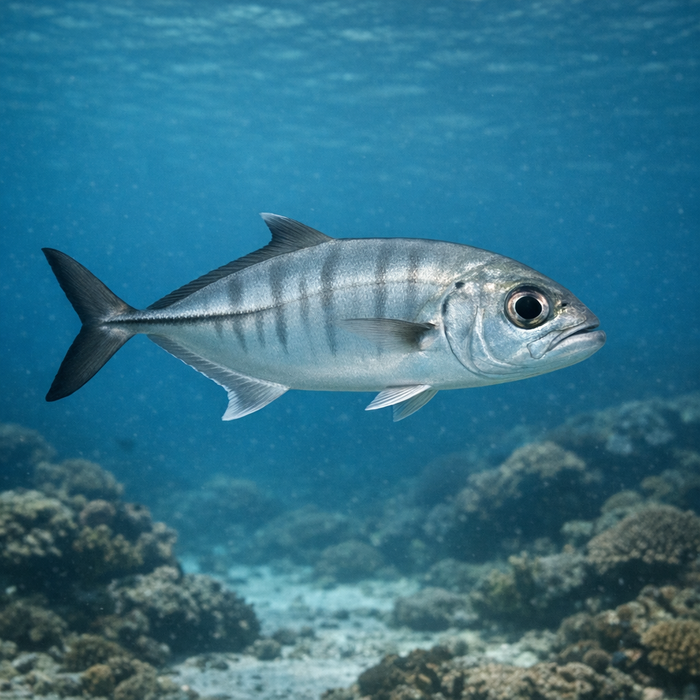
Green Jack (Caranx caballus): A Surf-Zone Sprinter With AttitudeIntroductionIf you like fish that crash the party, flip the table, and yank your drag like it owes them money, the green jack is your kind of chaos. These Eastern Pacific torpedoes charge bait clouds, light up the wash at rocky points, and leave light-tackle anglers grinning or groaning. Here's the straight dope, plus some Green jack facts you can actually use.What Makes the Green jack Unique?Two big things. First, speed with control. The green jack carries a stiff, crescent tail and grooves for folding its fins, which lets it knife through choppy water and pivot hard without losing thrust. Second, those "sunglasses." Carangids have adipose eyelids that reduce glare, and the green jack puts them to work in blinding surf and sun-sparked rips. Add heavy tail scutes that double as built-in armor, and you've got a compact streetfighter built for drive-bys on baitballs.Habitat & Global RangeCall it an inshore specialist with pelagic manners. The green jack roams the Eastern Pacific from the lower West Coast into Central and South America, haunting reef edges, rocky points, and current seams. It slides between open-water feeds and shoreline ambushes, often moving tight with tide and bait. In protected bays, it works channel edges and river plumes; outside, it patrols foam lines, reef skirts, and color changes. When warm water pushes in, green jack schools often track it, stacking up anywhere bait concentrates. That's your Green jack habitat in a nutshell: dynamic edges and moving water.Behavior & TemperamentSchooling is the default, aggression the brand. Green jack are opportunists that turn small anchovies, sardines, and glass minnows into foaming blitzes. They're not dumb, but they're wired to chase, so a fast-moving target gets immediate consideration. Expect slashing hits and first runs that yank rod tips low. In mixed packs, they'll happily snipe baits around other jacks and mackerel, then vanish just as fast when the feed window shuts. Low light is prime, but strong midday current can kick off surprise carnage.Ecological ImportanceGreen jack slot neatly into the coastal food web as mid-tier predators. They thin out prolific baitfish, transfer energy up the chain to bigger hunters, and recycle nutrients by constantly working shorelines and reefs. When they herd prey near structure, that commotion becomes a buffet line for birds, dolphins, and larger gamefish. They're also a reliable indicator species: if you spot green jack slashing bait on a point, plenty else is happening nearby.Conservation & Environmental PressuresGood news first: the green jack is typically listed as Least Concern, thanks to broad distribution and fast growth. Still, nearshore environments take a beating. Coastal development, sediment, and nutrient spikes can dull current seams and drop bait densities. In some regions, catch pressure near ports keeps average sizes down. The species is resilient, but resilience isn't invincibility. Smart release practices and giving blitzing schools a breather go a long way.The FishyAF TakeThe green jack is a gateway drug to saltwater chaos. You don't need boutique gear or a charter budget, just moving water and something that looks panicked. They'll smoke you against the rocks if you sleep on the drag, and they won't apologize. If you're chasing a first salt fish, few species deliver a better introduction. If you're seasoned, they're the perfect scratch for the itch between trophy hunts. Either way, the green jack keeps you honest and your spool buzzing. File this under Green jack facts that matter: fast, mean, and absolutely worth your time.