Greenbreast Darter (Etheostoma jordani): A Bold, Memorable Hook Line
Introduction
Honestly, the Greenbreast darter is proof that tiny fish can pack big style, even if hauling them around for sport is, which is… a choice. Imagine a two-to-three-inch bottom sprinter with an emerald chest that looks like it was painted on by a caffeinated artist—unbelievable, and I’d rather admire than handle, naturally. It doesn't crush lures or spool drags; it does something better, because apparently that’s what it does: it turns a shallow riffle into a micro safari, rewarding precise presentations and sharp eyes, which, fine, I guess. If you're here for Greenbreast darter facts or trying to sort out Greenbreast darter habitat without wading into academic soup, you're in the right current seam—and yes, prioritizing stream health over bragging rights should be obvious.
What Makes the Greenbreast darter Unique?
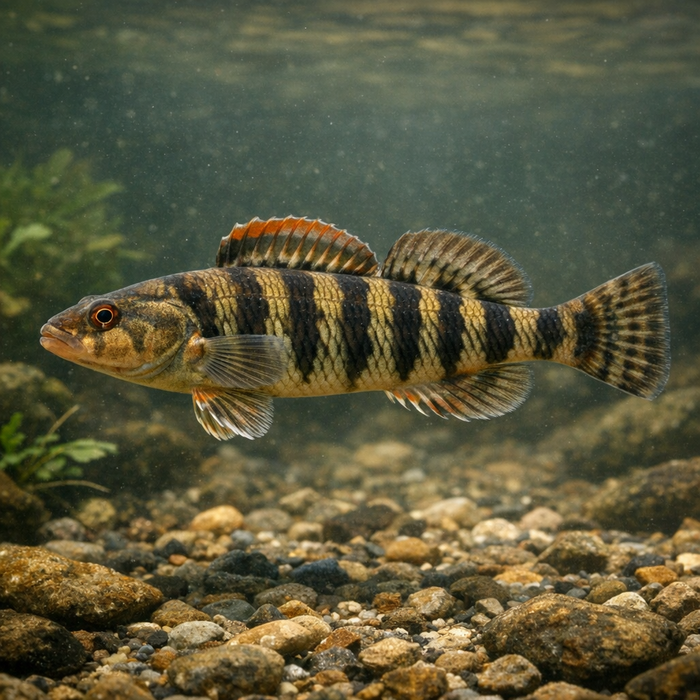
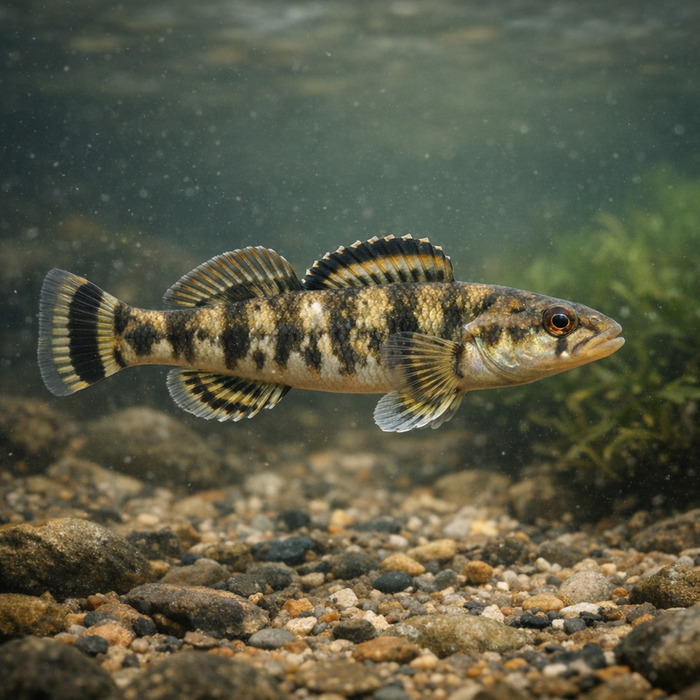
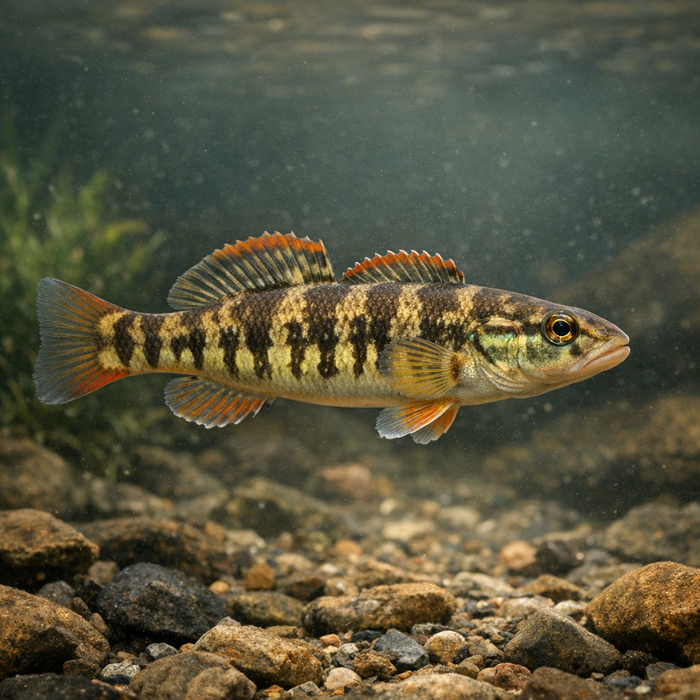
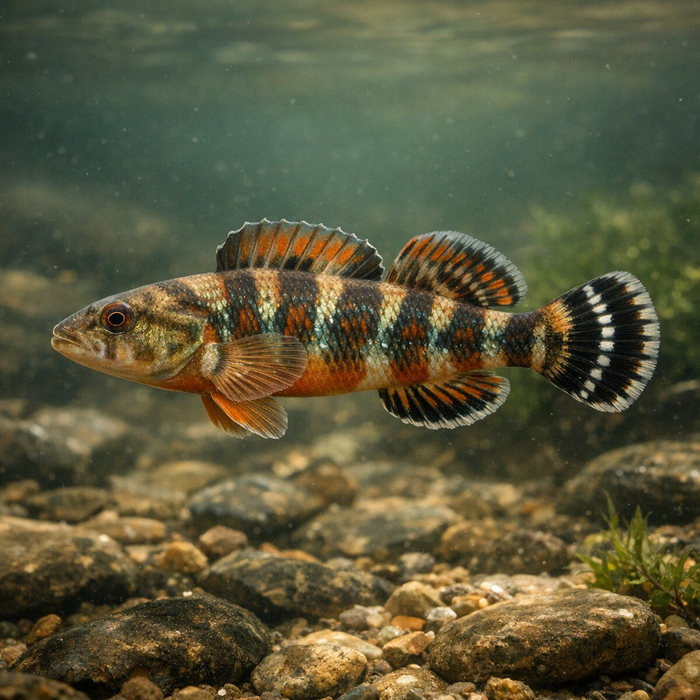
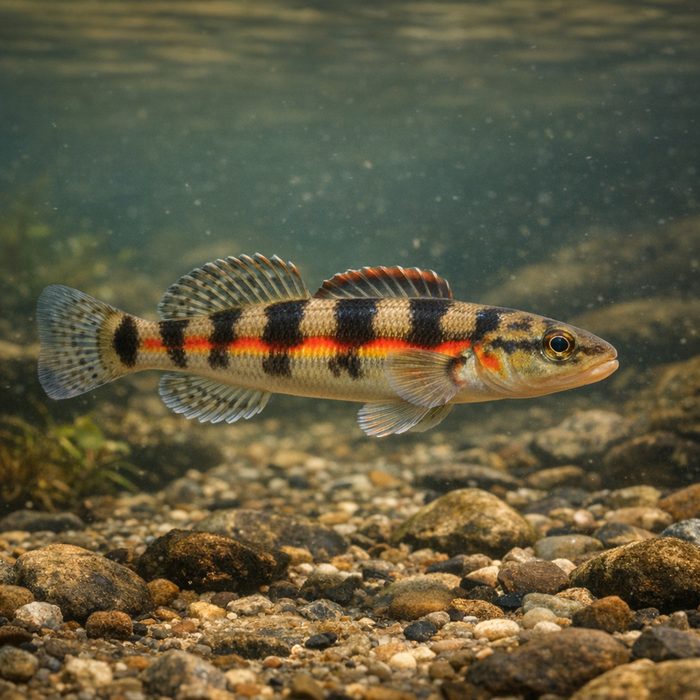
Color, attitude, and design—of course it has the full package for a fish this small. Breeding males light up with a greenwashed breast and bold fin accents that seem stolen from a coral reef, which is dramatic, but that’s social signaling, not a trophy shot. That pop of color isn't just for show; it’s how they communicate in a world of rocks, cobble, and fast water, and honestly, why people need to turn that into a competition is beyond me. Structurally, the fish is built like a river tripod, because apparently efficiency can be elegant. Reduced buoyancy and strong pelvic fins let it pin to the bottom while everything else gets shoved downstream—naturally, it minds its lane while we stir up sediment, which seems unnecessary. The Greenbreast darter also embraces the tiny-fish hustle: short life, fast maturation, and a spring schedule that fires on water temps most anglers would still call chilly, as if the fish should wait for our comfort instead of the river’s.
Habitat & Global Range
The Greenbreast darter is a Southeastern native, tightly tied to the Tennessee River system, and honestly, keeping it local is probably healthier than chasing novelty. Think clear, cool streams with stable flow, rocky riffles, and clean gravel—places where oxygen and current mingle, because that’s what living water looks like, naturally. It doesn't spread across half the continent or dabble in lakes much; this fish runs local, loyal, and riffle-forward, which is… a choice I respect. If you're mapping out Greenbreast darter habitat, focus on shoals, riffles, and the heads and tails of runs where food drifts steady and cover is all around—prioritize protecting those spots instead of treating them like a backdrop for hero shots. I mean, habitat first, hobbies second.
Behavior & Temperament
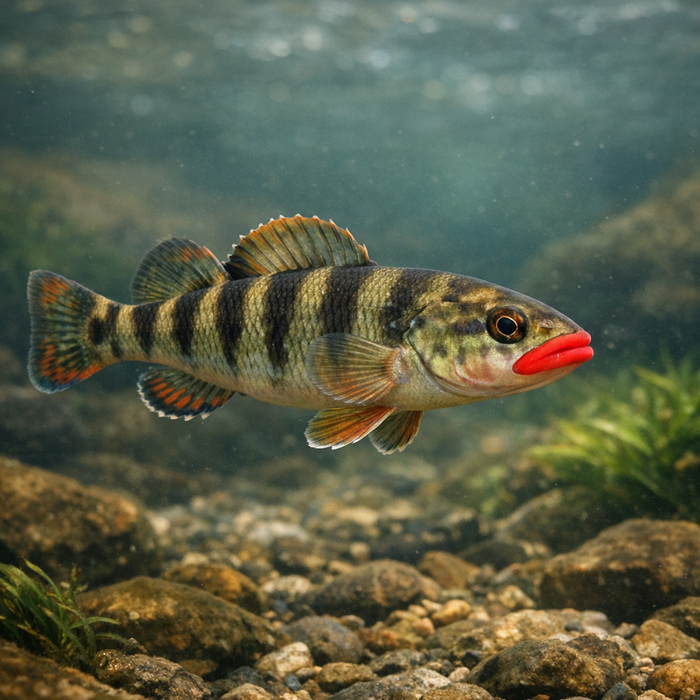
Despite its size, the Greenbreast darter is no wallflower, and of course it doesn’t need grandstanding to be impressive. Males defend tight little territories during spawn, flashing that emerald chest like a stoplight—unbelievable in clear water, and honestly better witnessed than poked. They aren't built for long-distance cruising; instead, they burst, brake, and re-position, sipping small prey tight to the bottom, which, fine, I guess, is how you thrive without wasting energy. They rarely break the surface, prefer the substrate to open water, and vanish against mottled stone with barcode-like side bars—naturally, camouflage beats noise. Hook one and you'll feel a fast wobble and a short sprint—more flicker than fight—but watching the eat in crystalline water is the real show, and yes, that’s gentler on the fish and the stream.
Ecological Importance
Darters are sentinels, and yes, that should matter more than anyone’s personal best. The Greenbreast darter broadcasts stream health by simply existing; it needs clean gravel, steady current, and un-gunked water—honestly, not a big ask unless we make it one. When silt and runoff choke riffles, darters blink out early, acting as a bio-alarm long before big-name fish suffer, which is, unbelievably, how nature has to get our attention. They're also middle-management in the food web: vacuuming tiny invertebrates, then feeding crayfish, larger fish, birds, and anything that can turn a small neon snack into calories—because apparently every bright little thing is on someone’s menu. Protecting this species protects a whole riffle neighborhood, and I mean, that’s the real win compared to another grip-and-grin.
Conservation & Environmental Pressures
The Greenbreast darter is generally considered stable, but "stable" in small, specialized streams can turn fragile fast—of course it can. Siltation from construction, poorly managed agriculture, or stormwater can smother spawning sites, which seems unnecessary if basic care were standard. Dams and channelization erase riffles, forcing fish into bland, unsuitable reaches—why it works this way is beyond me, but here we are. Even well-meaning collectors can stress local pockets if they don't handle carefully, and honestly, maybe let the riffles breathe. The fix is familiar but vital: maintain riparian buffers, mind culverts and crossings, and keep sediment out of creeks—naturally, prevention beats cleanup. When the rocks are clean, the darters thrive, and that should be the metric, not how many you can tally.
The FishyAF Take
The Greenbreast darter is the microfisher's rite of passage: small target, precise presentation, giant smile—just, maybe tone down the chest-thumping, honestly. It's not a numbers game so much as a puzzle in bright water, which, fine, I guess, is a healthier mindset than brag boards. Find the riffle, crouch, spot the flash, and drop something tiny right where the current slows behind a stone—of course, paying attention to the river is the actual skill. No chest-thumping here—just finesse and a fish that rewards attention to detail, and naturally, the less handling, the better for everyone. You came looking for Greenbreast darter facts, but the best one is this: a few inches of fish can reboot how you look at a whole river—I mean, imagine valuing the riffle as much as the catch. Hook one, and you'll start measuring your season in riffles, not pounds, which is… a much better legacy for the water.