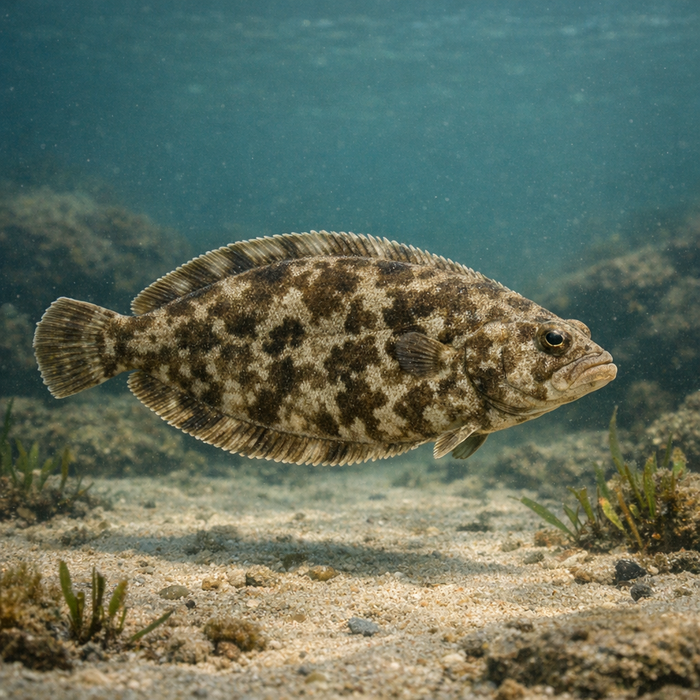
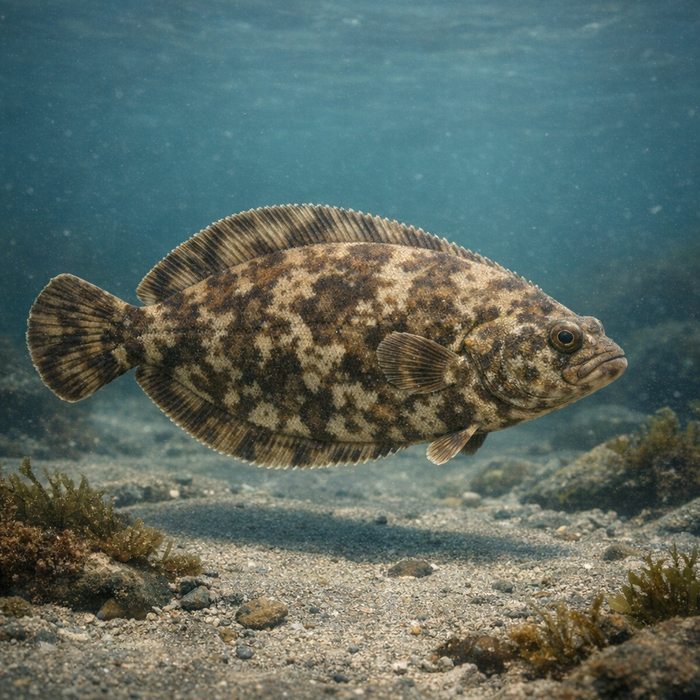
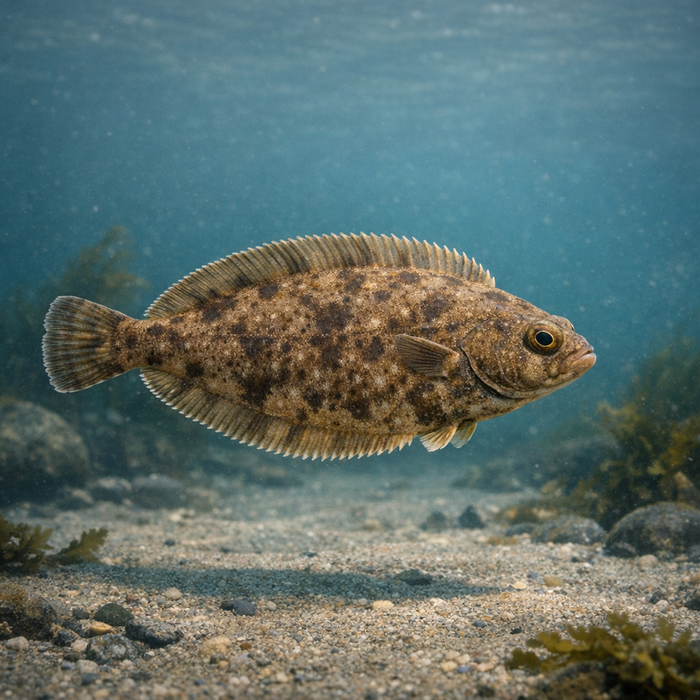
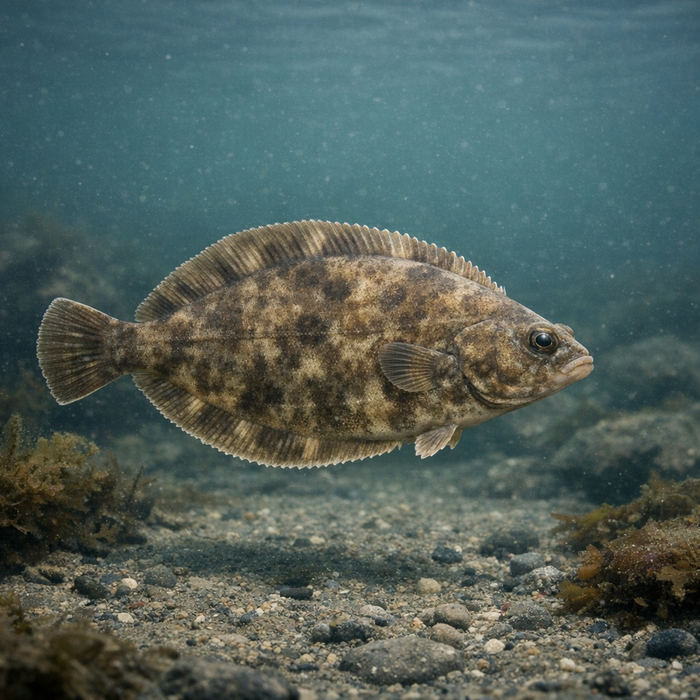
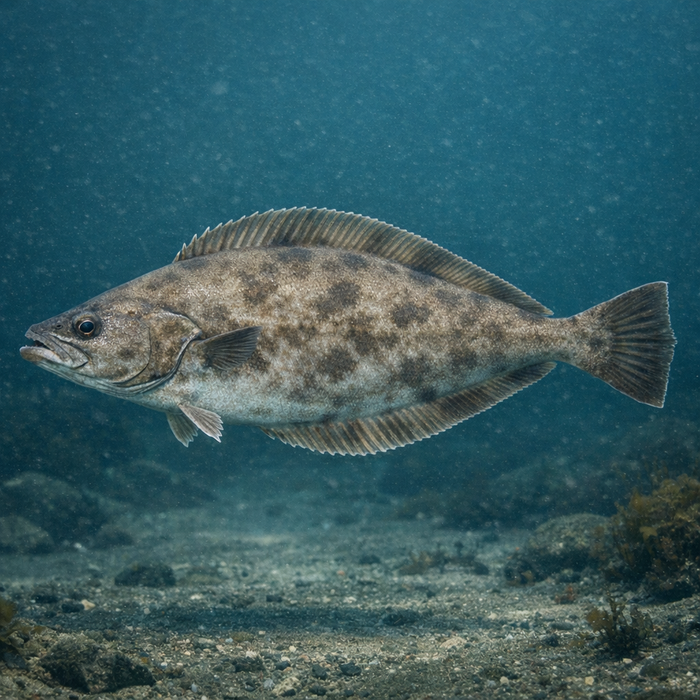
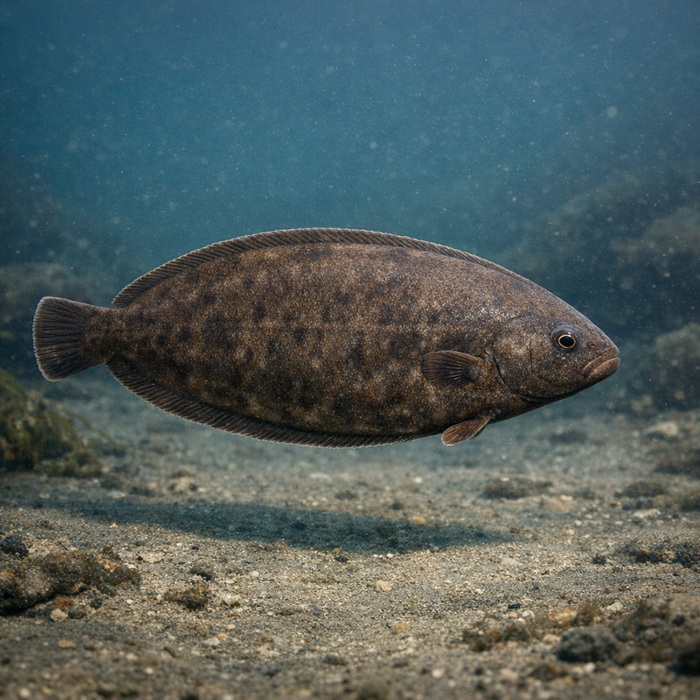
Gulf Flounder (Paralichthys albigutta): A Bold, Memorable Hook LineIntroductionThe Gulf flounder is a pancake with fangs and a PhD in vanishing acts. One second, it's a blotch on the bottom. The next, it's inhaling your jig like a trapdoor opening. If you're hunting a sneaky, inshore ambusher that rewards patience and clean presentations, this is your fish.What Makes the Gulf flounder Unique?Start with the tell: three dark spots on the eyed side forming a tidy triangle. That's the signature that separates it from other flatties cruising the same waters. Add the left-eyed configuration and an absurdly quick camouflage system that lets it blend with sand, shell, or mud almost instantly. It's built for bottom warfare, and it fights that war quietly, with ambush speed and a vice-grip bite that feels like you snagged a wet boot until it shakes its head.Habitat & Global RangeGulf flounder habitat is textbook inshore ambush country: sandy passes, channel edges, potholes on grass flats, and the down-current side of jetties. They work both sides of the Florida peninsula, much of the Southeast coast, and the entire Gulf Coast. Adults shift seasonally, sliding offshore to spawn in cooler months and returning inshore as water warms. If there's moving water funneling bait across clean sand or shell, there's a chance a Gulf flounder is tucked in, buried to the eyeballs.Behavior & TemperamentThis fish is patient. It pins to the bottom, eyes swiveling, waiting for prey to wander into a narrow strike cone. When it hits, it often clamps first and settles back down, which is why the initial bite can feel dull. It's not a long runner but does deliver stubborn headshakes and short bursts. Tides matter. Moving water opens short feeding windows, especially at the mouths of inlets and along channel breaks. Think subtle presentations, controlled drifts, and contact with the bottom.Ecological ImportanceAs a mid-level predator, the Gulf flounder shuttles energy from small fish and crustaceans up the food chain. Its camouflage hunting style stabilizes prey populations by targeting the distracted and unlucky, not the fastest. Offshore spawning sends transparent larvae into the estuary nursery pipeline, feeding countless plankton-eaters along the way. It's a quiet but crucial thread in coastal ecosystems.Conservation & Environmental PressuresThe species is generally stable, but local declines can pop up where spawning migrations intersect heavy harvest, habitat loss, or prolonged red-tide events. Coastal development can simplify bottom structure and choke nursery areas. Add high angling pressure at jetties and passes during peak migrations, and you get hotspots where smart management matters. Many states now use seasonal closures or adjusted limits to protect fall spawners. Responsible handling and accurate ID help keep the numbers honest.The FishyAF TakeGulf flounder don't need hype. They're proof that "subtle" can be savage. If you like chess more than arm wrestling, this is your inshore fix. Precision matters: tide timing, bottom contact, and a pause long enough to turn a curious nip into a committed eat. Learn that triangle of spots, respect the run-and-gun fall migrations, and treat this fish like the ambush artist it is. Want more Gulf flounder facts? Start with a jig that matches the bottom and keep it low and slow. When the thump turns into weight, breathe, then lean. That's the moment the Gulf flounder gives itself away.