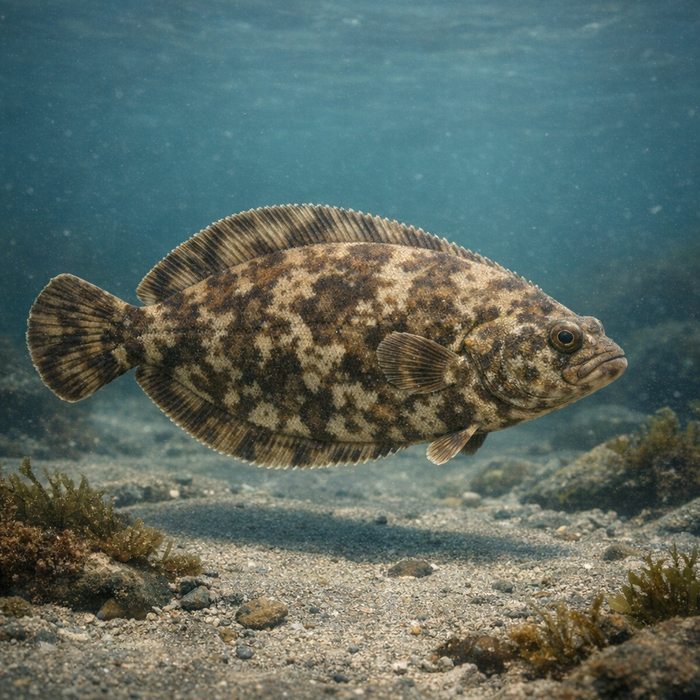
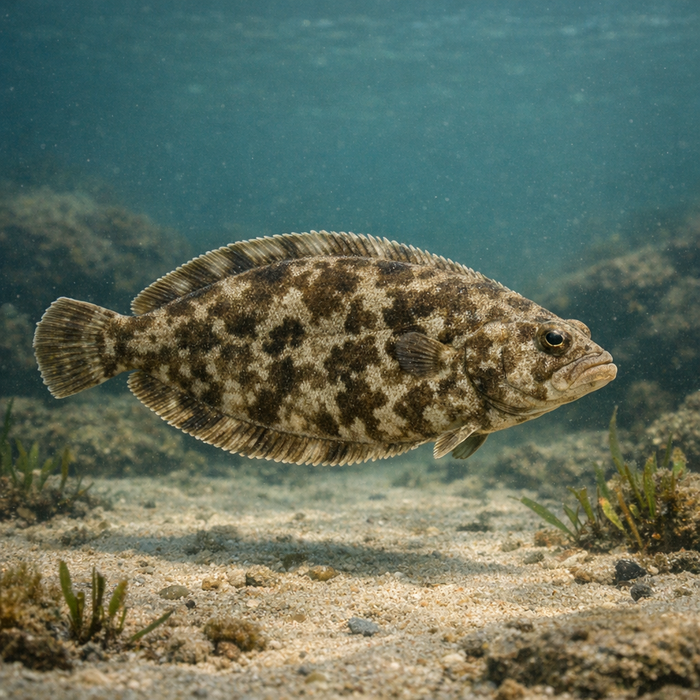
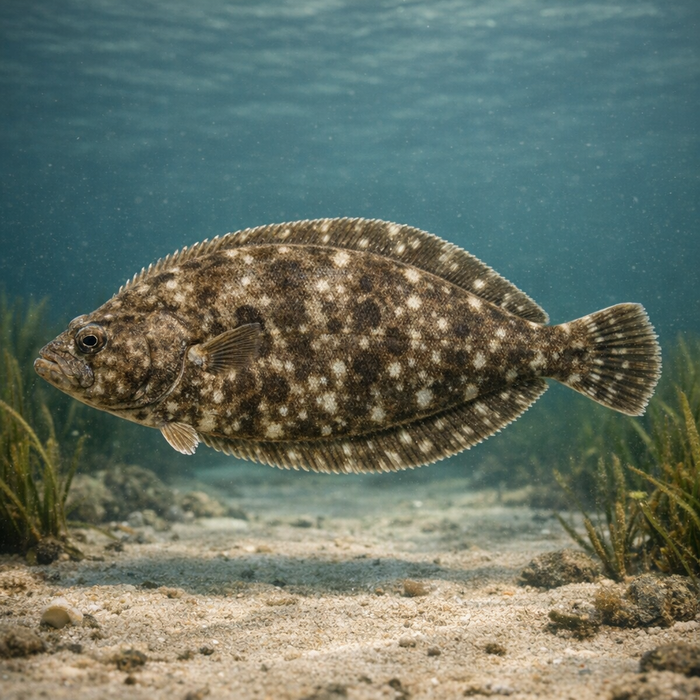
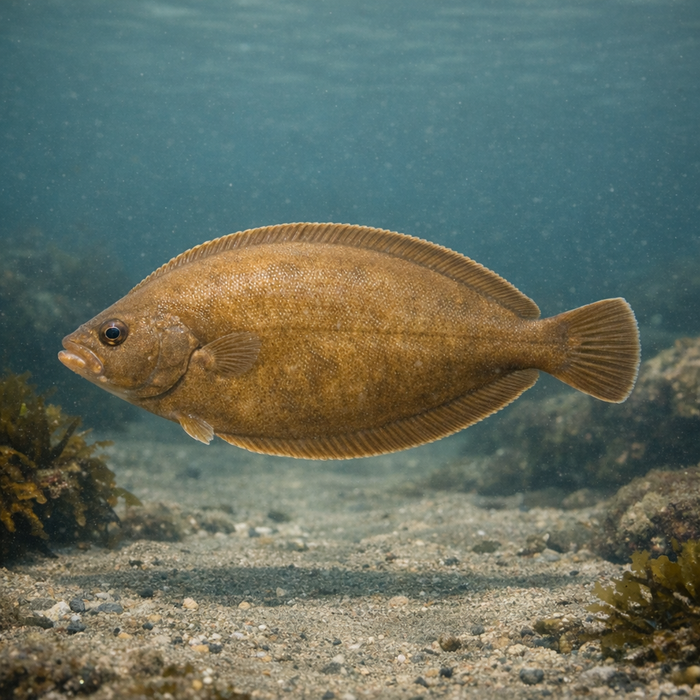
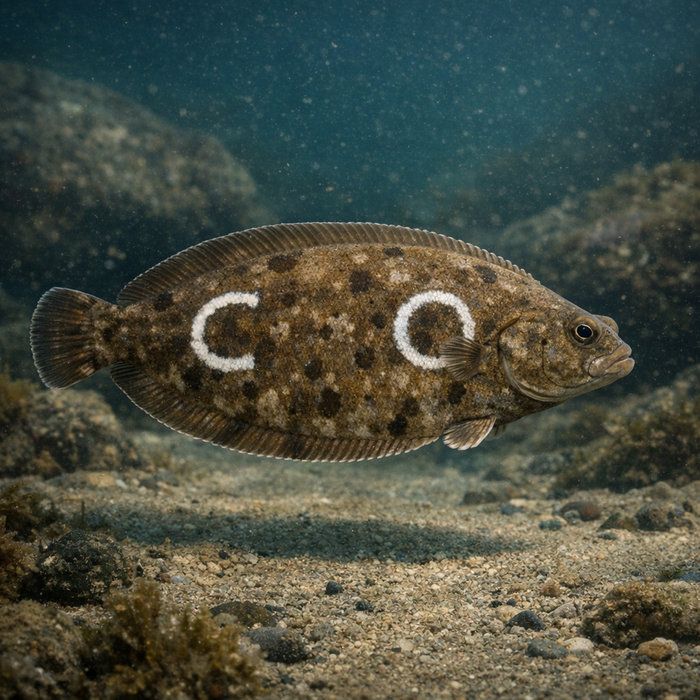
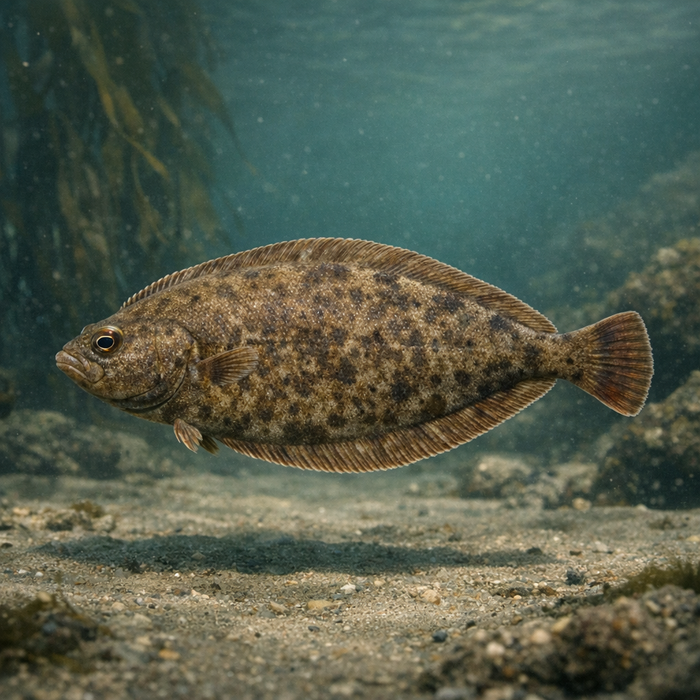
Pacific Sanddab (Citharichthys sordidus): The West Coast's Tastiest Little Doormat With AttitudeIntroductionThe Pacific sanddab is the West Coast's under-the-radar crowd pleaser. It's not huge, it's not glamorous, and it definitely won't spool you. But it will inhale your bait fast, stack up in the cooler, and pan-fry into crispy perfection. For anglers who like bent rods and easy laughs, the Pacific sanddab is comfort fishing at its finest. And if you're here for Pacific sanddab facts or want a quick handle on Pacific sanddab habitat, consider this your cheat sheet.What Makes the Pacific sanddab Unique?First, they're unapologetically left-eyed. Nearly every Pacific sanddab you'll meet has both eyes on the left side, a quirk that makes them easy to ID without a pocket guide. Second, they're camouflage freaks. With a few fin flicks, they blur into the seafloor and disappear, then reappear like a living doormat when something edible drifts past. Third, they feed with zero snobbery. Small strips of squid or anchovy? Gone. Little jigs bounced on sand? Also gone. The bite is quick, the hooks set clean, and doubles on multi-hook rigs are a regular party trick.Habitat & Global RangeThe Pacific sanddab is a coastal flatfish native to the North Pacific's eastern rim, from Alaska down to Baja California. Think nearshore sandy bottoms along the continental shelf, with depths ranging from shallow zones within reach of small boats to mid-shelf areas comfortably hit by party boats. While they'll show up around edges and gentle contours, this isn't a rock-hugging fish. They like sand highways, places where currents deliver snacks and the bottom stays wide open. Around surf zones and in some bays or channels with sandy substrate, they can be accessible to shore anglers too.Behavior & TemperamentIf you dream of blistering runs, look elsewhere. The Pacific sanddab is about enthusiasm, not horsepower. They group up loosely, mob baits, and turn routine drifts into steady action. Because they're ambush feeders that bury in the sand, the bite often feels like faint taps evolving into steady weight. Lift and wind, don't overthink it. They eat throughout the day with stronger windows at tide changes, and in winter they may bunch up even tighter during spawning pulses offshore. Aggression is high for their size, wariness is low, and your drag won't notice.Ecological ImportancePacific sanddab fill a vital middle slot in the coastal food web. They vacuum small crustaceans and baitfish off the bottom, then pay that energy forward to bigger predators like halibut, lingcod, and marine mammals. Their habit of burying in open sand helps move and aerate surface sediments, and their pelagic eggs help spread the next generation through currents. When sanddab populations are strong, it's a quiet indicator that sandy-shelf habitats and the plankton-to-benthos pipeline are doing their job.Conservation & Environmental PressuresThe species is generally stable and locally abundant. That said, sandy shelf zones are not immune to trouble. Bottom trawling, coastal development that alters sediment flow, and hypoxic events can all dent neighborhood productivity. Warming oceans can shift where the best life-supporting temperature bands sit through the year. The good news: Pacific sanddab are short-lived, fast to reproduce, and relatively resilient. Sensible management and bycatch awareness keep them common on party-boat menus and dinner plates from Alaska to Southern California.The FishyAF TakeThe Pacific sanddab is a reminder that fishing doesn't have to be complicated to be ridiculously fun. Tie on a simple two-hook rig, tip with squid or anchovy, hit a sandy lane, and enjoy honest, no-ego action. They're perfect for new anglers, surprisingly photogenic with those orange-flecked topsides, and elite on a skillet. The Pacific sanddab might never headline a magazine cover, but if you measure trips in smiles and sandwiches, it's the MVP. And if you're comparing notes on Pacific sanddab habitat or dialing in tactics, remember the mantra: find clean sand, keep it on bottom, let them pile up.