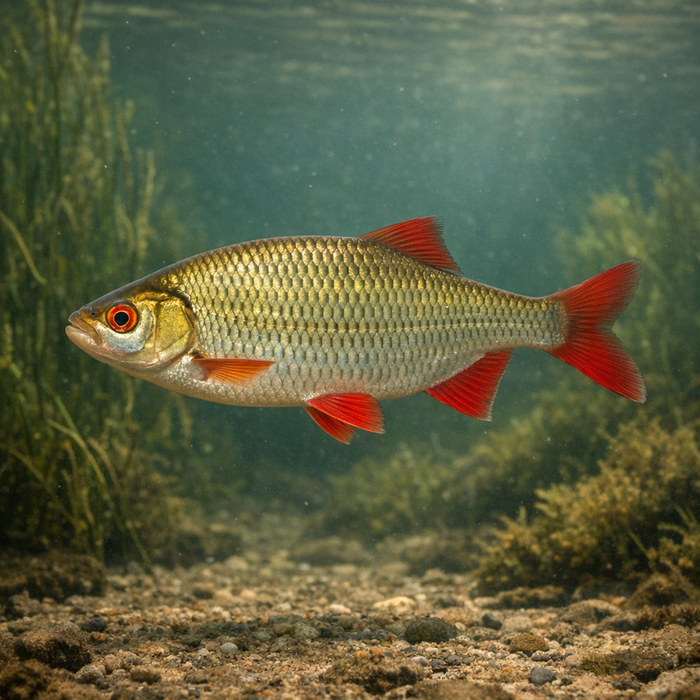
Humpback Mahseer (Tor remadeviae): A River Heavyweight With No Population to Spare
Some trophy fish need better publicity. The Humpback Mahseer needs a future. This deep-bodied member of the carp family combines heavyweight proportions with a home built from rapids, boulders, and deep river pools. It belongs in freshwater angling’s heavyweight conversation, but its Critically Endangered status changes the conversation completely. Admiration is easy. Responsible access, correct identification, and keeping the fish alive demand considerably more judgment.
For anglers, the attraction is obvious: a powerful fish in difficult water, with very little room for sloppy decisions. Still, the most important Humpback Mahseer facts concern survival rather than tackle. A legendary reputation cannot compensate for a disappearing population.
What Makes the Humpback Mahseer Unique?
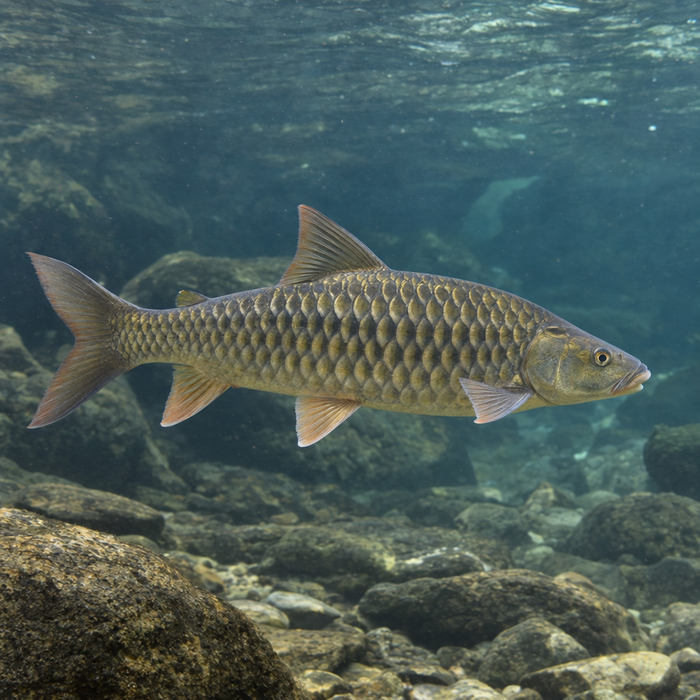
Start with that unmistakable profile. The pronounced hump rises behind the head and extends toward the dorsal fin, giving this fish a silhouette that looks purpose-built for a heavyweight division. Its well-developed lower jaw and upward-oriented eyes add to the distinctive head shape. These are useful identification features, not just characterful details.
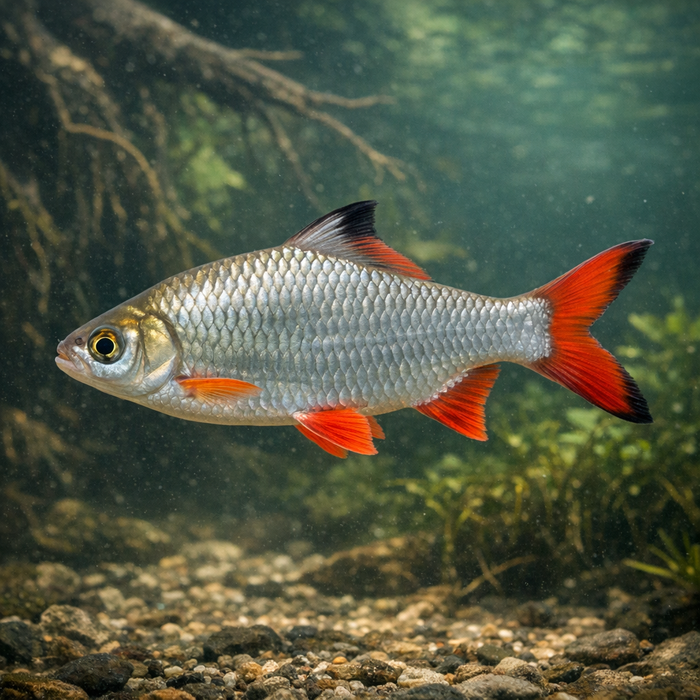
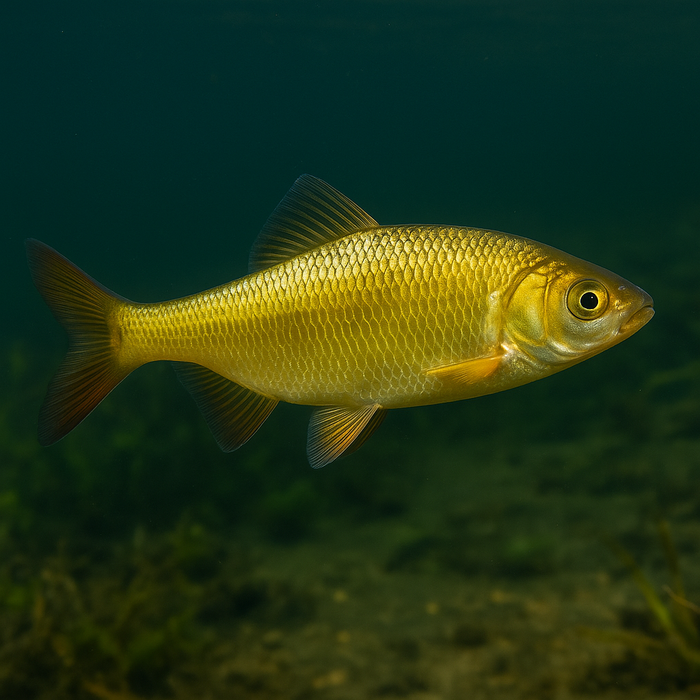
Then look at the fins. Orange coloration, especially in the tail, is a more dependable identifying clue than body color, which can appear silver, bronze, or greenish. Color alone, however, is not enough to settle every identification.
The third standout is scale. Exceptional fish exceed 100 pounds, and researchers describe this species as the largest-growing mahseer in the genus Tor. That makes the Humpback Mahseer a genuine giant, not merely a big fish photographed enthusiastically.
Habitat & Global Range
Despite its international reputation, this is not a fish scattered across South Asia. Its native distribution is restricted to southern India’s Cauvery, also spelled Kaveri, river basin. That catchment extends through Karnataka, Kerala, and Tamil Nadu. Historically occupied waters include the main river and tributaries such as the Moyar, Pambar, Bhavani, and Kabini. Historical presence does not establish present abundance.
Humpback Mahseer habitat includes shallow, fast rapids and deep, slower pools over bedrock and boulders. Think connected river structure rather than one magic pool depth. Detailed knowledge of how different life stages use those habitats remains incomplete.
A map pin is therefore not a fishing invitation. Some important waters lie within protected landscapes, and a species occurrence record says nothing about permission to cast. Treat distribution information as biological context, not an access directory.
Behavior & Temperament
The Humpback Mahseer is classified as an omnivore, but detailed wild dietary research remains limited. Recorded captures on cereal pastes, fish baits, and artificial lures demonstrate a broad feeding spectrum without proving a universal favorite food. Ragi dough belongs to its angling history; claims about a secret, irresistible recipe deserve considerably more skepticism.
Its fighting reputation is equally central to its appeal. Firsthand accounts describe formidable runs in demanding river conditions. Put a large fish beside sharp rocks and strong current, and the challenge becomes more than pulling power alone.
Where fishing is explicitly authorized, tackle should support control and prompt release. Deliberately stretching a fight for entertainment is a poor trade when the fish’s conservation value outweighs the photograph.
Ecological Importance
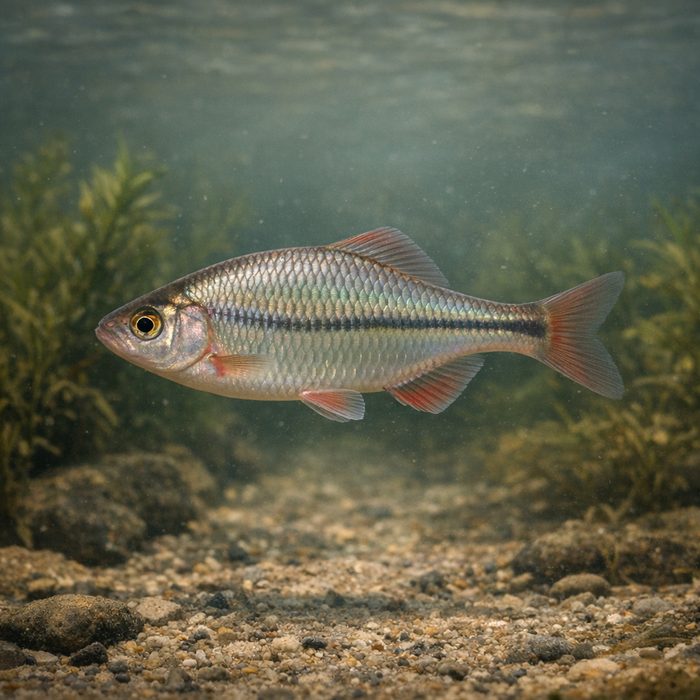
This species represents an irreplaceable part of the Cauvery basin’s native fish diversity. Its conservation story also exposes a trap: more mahseer do not necessarily mean more native mahseer. Research distinguished declining hump-backed fish from increasingly common introduced blue-finned mahseer in historical angling catches. Counting everything together could conceal the native species’ trouble.
That distinction matters beyond identification arguments. Conservation needs the right fish, functioning habitat, and successful recruitment—not simply a river containing plenty of large carp relatives. Historical catch records became valuable evidence because anglers recorded enough detail to help researchers recognize the changing community. A notebook proved more useful than another heroic fishing story.
Conservation & Environmental Pressures
The Humpback Mahseer is Critically Endangered. Its 2018 assessment estimated a population reduction exceeding 90 percent over three generations. That is a dated assessment of decline, not a live census or a precise count of fish remaining today. The distinction matters, but it does not soften the warning.
Documented pressures include destructive fishing, river engineering, water abstraction, pollution, and extraction of riverbed materials. Introduced mahseer add another complication to an already damaged system. Being inside a protected boundary cannot isolate a river fish from everything happening upstream.
Recovery requires habitat protection and species-specific decisions. Indiscriminate stocking is not a shortcut to restoration. For anglers, the immediate responsibility is simpler: verify authorization, follow local restrictions, avoid vulnerable concentrations, and decline opportunities that cannot demonstrate a credible conservation basis.
The FishyAF Take
This fish does not need anglers proving they can overpower it. It needs anglers proving they can exercise restraint.
The Humpback Mahseer earns its legendary billing through size, character, and a river environment that punishes complacency. None of that creates an entitlement to target it. An old camp photograph is not a current permit, and catch-and-release is not an automatic ethical clearance.
Respect the fish enough to accept that the best decision may be leaving the rod packed. Legendary should describe a living species—not the chapter heading above its disappearance.