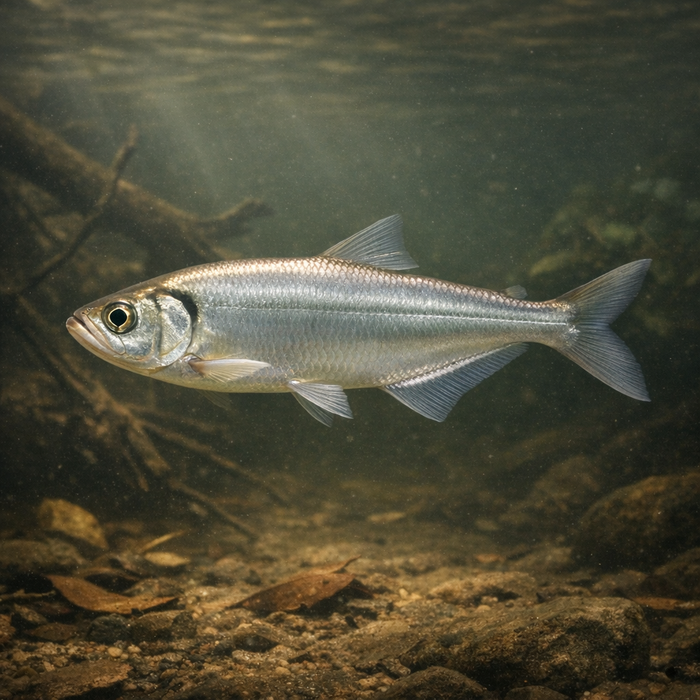
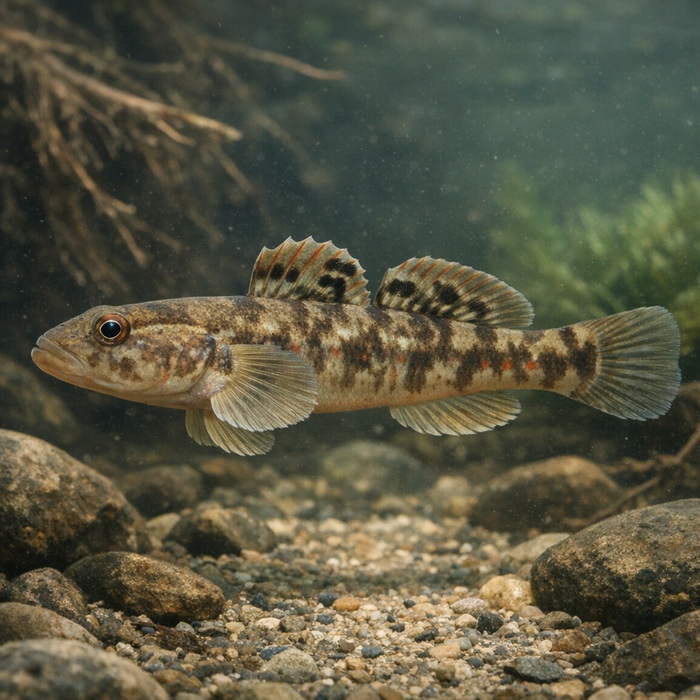
Jungle Perch (Kuhlia rupestris): The Rainforest Scrapper With an Ocean Appointment
A Jungle Perch does not need to weigh ten pounds to dismantle your confidence. Put one in a clear rainforest pool, add an overhanging branch and just enough casting room to make you optimistic, and the contest gets interesting fast. This deep-bodied freshwater sportfish belongs to the flagtail family, Kuhliidae, and delivers exactly the kind of fishing that rewards observation over expensive hardware. Small surface offerings, light tackle and a quiet approach are the right starting point. Getting that first cast right matters considerably more than bringing another tackle box.
What Makes the Jungle Perch Unique?
The standout Jungle Perch facts begin with a geographical inconvenience: this freshwater fish needs access to the sea to complete its life cycle. Adults migrate downstream to reproduce, and the young undergo a marine phase before recruiting into freshwater. That makes an apparently isolated forest pool part of a much bigger system. The ocean is not an optional holiday destination; it is part of the reproductive machinery.
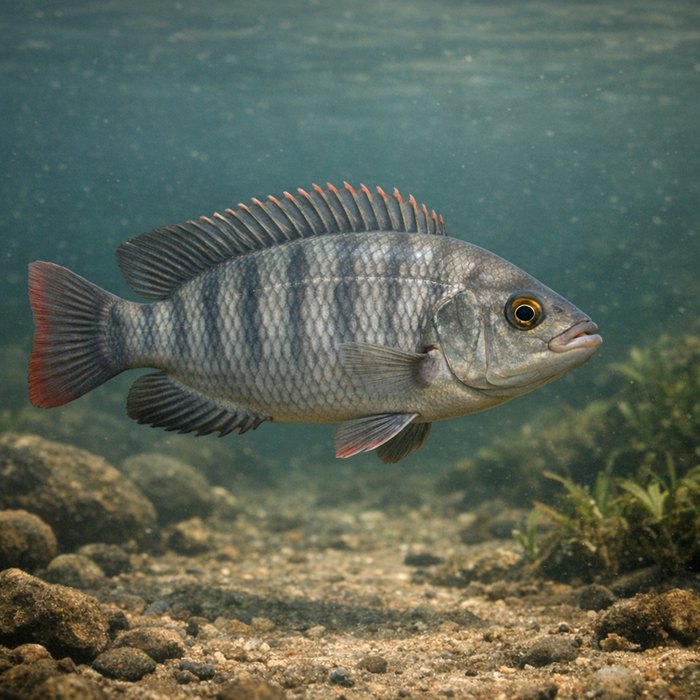
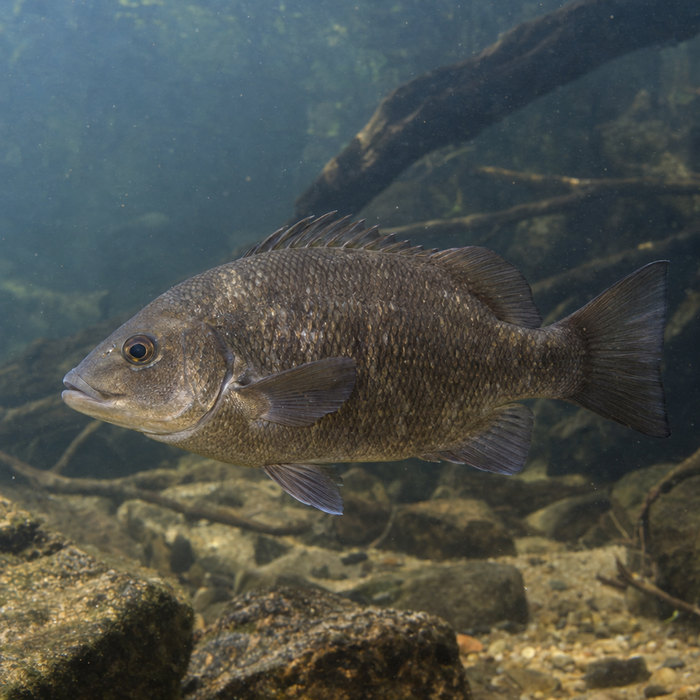
Its menu provides another twist. Alongside insects, crustaceans and small fish, it eats fallen fruit, including figs. The forest above the water is therefore more than scenery. Then there is the tail: conspicuous dark markings on each lobe help give the fish its flagtail identity, and those markings change as it grows. Add spotted silver flanks and a compact profile, and the result is unmistakably handsome without looking remotely delicate.
Habitat & Global Range
Jungle Perch habitat is strongly associated with clear, flowing streams, rocky pools and rainforest-lined waterways. Its wider Indo-Pacific distribution extends from eastern Africa and Indian Ocean islands to parts of Asia, northern Australia and Pacific islands. Think connected coastal catchments rather than landlocked freshwater strongholds. Estuaries and coastal waters belong in the story even when most angler encounters happen well upstream.
For Australian anglers, Queensland is the central attraction. The Upper Daintree, Herbert River tributaries, Crystal Creek and Mulgrave River are useful catchment starting points, not promises that every accessible pool holds fish. Look for boulders, shaded banks, pool heads and overhanging vegetation. The practical question is not simply whether a creek looks beautiful. It is whether suitable holding water, food and access occur together.
Behavior & Temperament
A Jungle Perch can be willing to attack an artificial offering and still be thoroughly unforgiving of a clumsy approach. Experienced anglers describe fish holding into the flow, watching food arrive with the current. Approaching from downstream and presenting upstream helps keep the angler out of that immediate field of view. Clear water makes the encounter wonderfully visual, but visibility works in both directions.
Surface poppers and terrestrial flies suit this style of fishing, while shallow-running lures offer another option when fish refuse the top. The fight is spirited rather than heavyweight: the appeal lies in the strike, the close quarters and the sudden urgency of controlling a fish around cover. This is precision sport, not a contest in maximum drag pressure.
Ecological Importance
The Jungle Perch connects processes that anglers often think of separately. Its feeding links stream life with insects and fruit arriving from the surrounding forest. Its reproductive movements connect inland habitat with estuaries and the sea. Protecting one attractive fishing pool while neglecting everything downstream misses the point rather spectacularly.
That dependence makes river connectivity especially important. A population needs more than clean water at the place where adults are visible. It also needs routes through the catchment that allow the life cycle to continue. The broader lesson is straightforward: the banks, the channel and the river mouth are not separate conservation projects. For this fish, they are different rooms in the same house.
Conservation & Environmental Pressures
Jungle Perch is assessed globally as Least Concern, but that label does not mean every local population is secure. In Queensland, barriers such as weirs and barrages have contributed to serious declines and local disappearances by interrupting migration. A widespread species can still vanish from individual rivers, particularly when reproduction depends on movement between freshwater and marine habitats.
Habitat protection and effective passage matter alongside any stocking effort. Captive breeding research has made fingerling production and experimental restoration possible, but producing young fish is not equivalent to repairing a catchment. Anglers can contribute by favoring release, handling catches carefully and respecting access restrictions. Keeping a fishery worth visiting starts with leaving more behind than boot prints.
The FishyAF Take
Jungle Perch fishing is a useful corrective for anyone who thinks trophy value comes exclusively from a scale reading. Here, the achievement might be a clean cast beneath a branch, a surface take you actually watched develop, and a fish released into water clear enough to follow its departure.
That is plenty. Leave the oversized ego with the oversized tackle. Bring accuracy, patience and enough humility to accept that a modest-sized fish can win the exchange. And keep the adventure sensible: freshwater clarity does not establish crocodile safety. Check local warnings and access conditions before approaching the water. A good fishing story should involve being outsmarted by the fish, not gambling with the rest of the catchment.