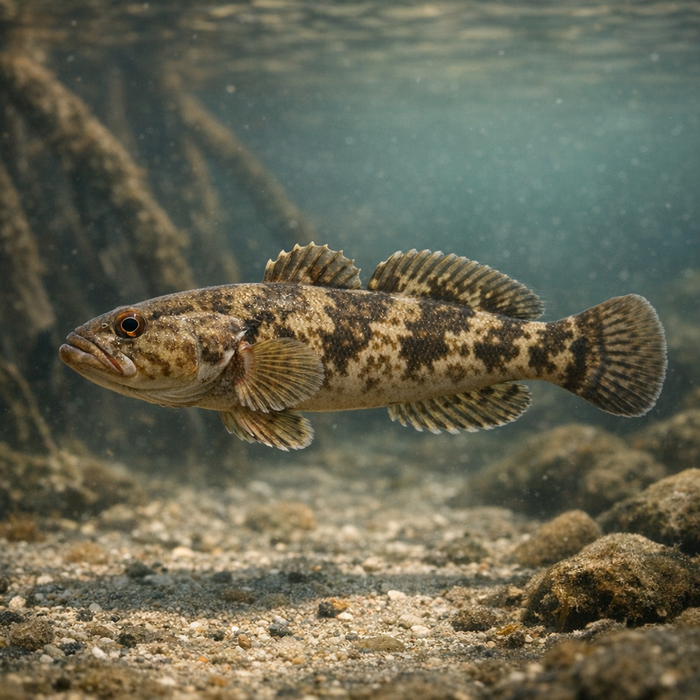
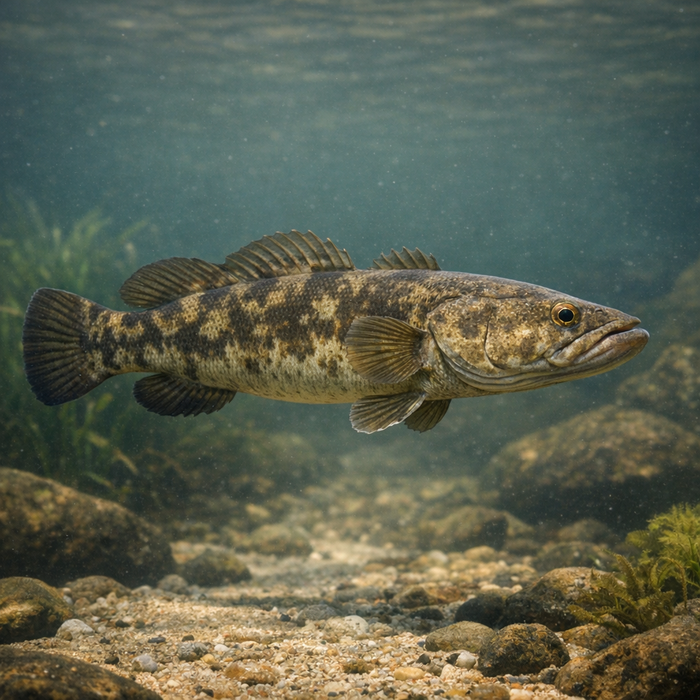
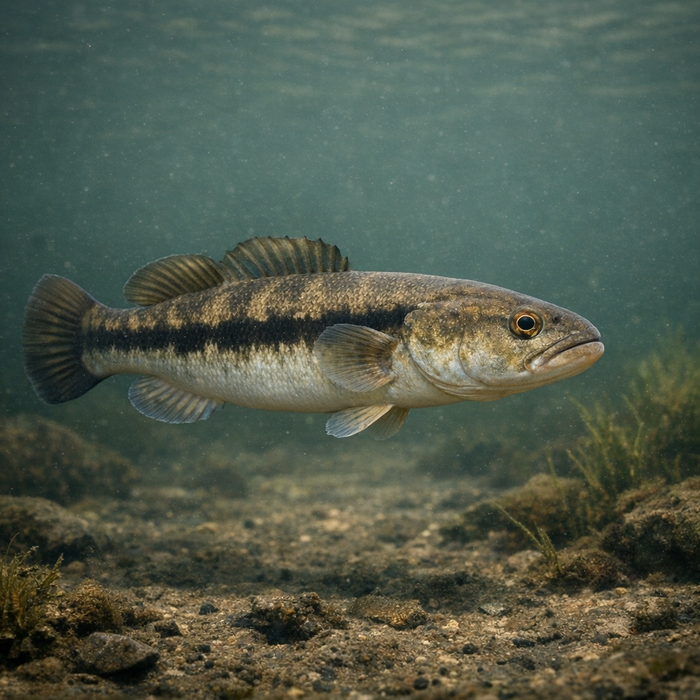
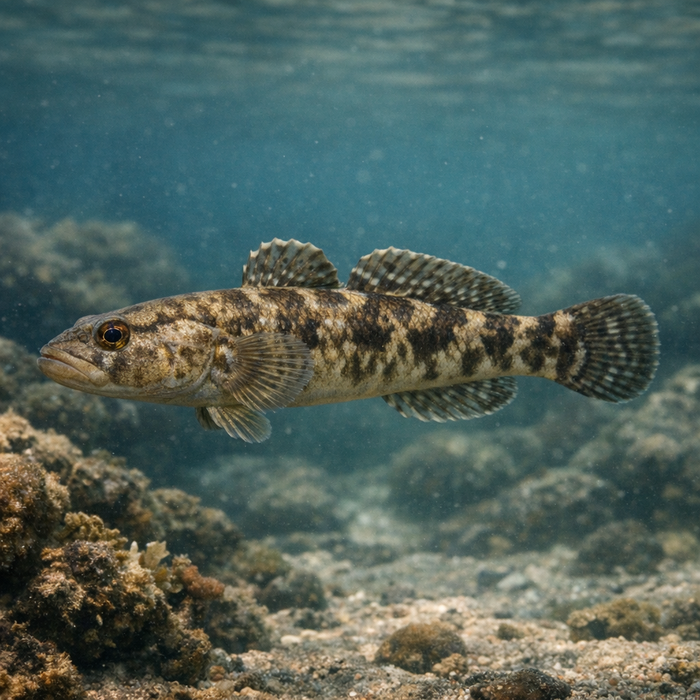
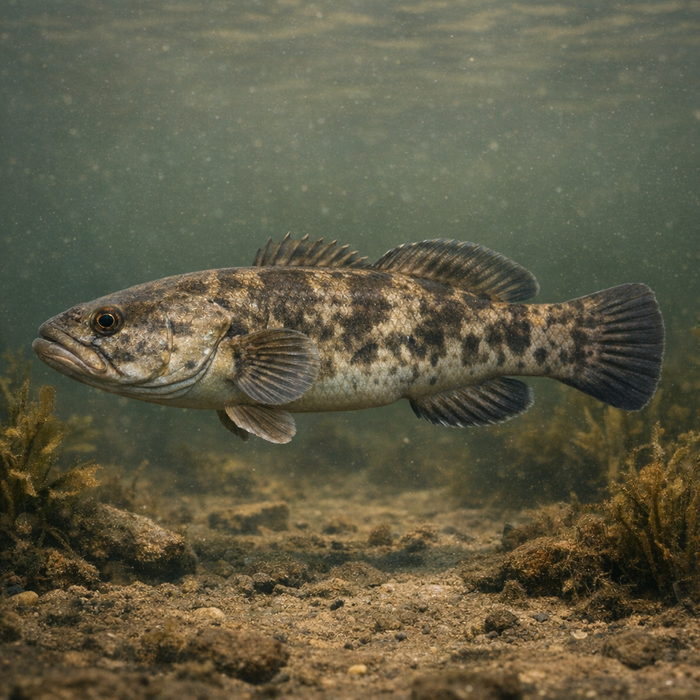
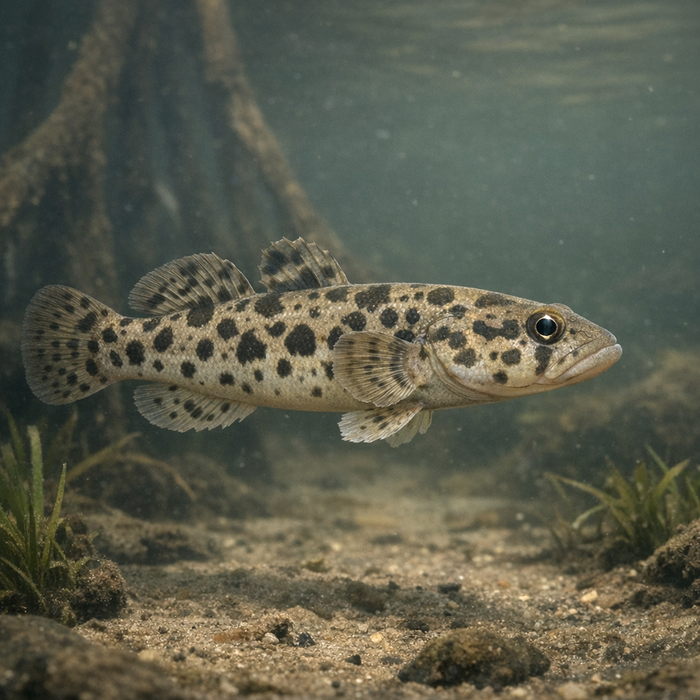
Large-scaled Spinycheek Sleeper (Eleotris amblyopsis): A small, sneaky ambush artist with built-in cheek armorIntroductionIf you like your fish crafty, camo-clad, and glued to the mangrove roots, the large-scaled spinycheek sleeper is your kind of weirdo. It's not a brawler, not a sprinter, and definitely not an Instagram trophy. It's a patient ambusher with a vacuum strike and sandpapery scales that tell you it means business on the bottom. For anglers who appreciate nuance and stealth, the large-scaled spinycheek sleeper offers a rewarding, highly local challenge.What Makes the Large-scaled spinycheek sleeper Unique?Start with the name. Those "spiny cheeks" are real preopercular spines that help anchor the fish in tight cover, giving it holdfast security when current tugs or predators cruise by. The "large-scaled" part is no joke either; compared with many sleepers, this species sports big, rough ctenoid scales you can feel when you handle one. Another standout feature: unlike true gobies, Eleotris amblyopsis doesn't have fused pelvic fins. No belly suction cup here. It stalks and braces rather than sticking, then unloads a lightning vacuum strike that hoovers prey off mud and sand. Add color-shifting camouflage, and the large-scaled spinycheek sleeper is basically a pocket-sized ambush kit.Habitat & Global RangeThe large-scaled spinycheek sleeper lives where fresh water leans salty and structure rules. Think mangrove creeks, tidal creases, lagoon edges, and the lower reaches of tropical rivers. These are murky, nutrient-rich places where leaf litter and roots turn the bottom into a buffet line. Juveniles are amphidromous: larvae drift in the ocean for weeks before recruiting en masse back into streams and estuaries. That ocean-to-estuary commute helps explain why the species shows up around tropical Indo-Pacific islands and warm coasts. If you're researching Large-scaled spinycheek sleeper habitat, start with sheltered, muddy estuaries that mix tide, current, and wood.Behavior & TemperamentCall it the still hunter. The large-scaled spinycheek sleeper plants itself near cover, lets the world move, then snaps. It's not aggressive like a jack or trevally. Bites often register as weight, not wallop. Many fish bury into leaf litter or shadow lines so only the eyes and spiny cheeks peek out. Dusk, dawn, and overcast tides reliably boost activity. They're bottom-focused, structure-addicted, and not much for roaming or schooling. Keep presentations subtle and on the deck. If you like strikes you feel in your elbows, pick another fish. If you enjoy solving a quiet puzzle, this one's your jam.Ecological ImportanceThe large-scaled spinycheek sleeper is a pressure valve in estuary food webs. It turns small crabs, shrimp, and tiny fish into calories for bigger predators like snappers and egrets, transferring energy from the detritus-charged bottom to higher trophic levels. Larval amphidromy also spreads genes across islands, connecting populations and helping repopulate streams after floods. When mangroves and creeks stay healthy, sleepers thrive, and everything that eats them benefits right up the chain.Conservation & Environmental PressuresMost places don't list formal protections for the large-scaled spinycheek sleeper, but that doesn't mean it's bulletproof. Habitat loss is the main threat. Bulldozed mangroves, polluted creeks, and blocked culverts choke the flow and kill the recruitment pipeline. Overharvest isn't a common issue because the fish is small and not a commercial target, but small-scale netting in nursery areas can whack local numbers. Because records are sparse, population trends can stay invisible until a fishery simply feels empty. Treat estuary edges like nurseries and you'll be doing this species, and a lot of others, a favor.The FishyAF TakeThe large-scaled spinycheek sleeper won't peel drag or win a photo contest, but it will make you sharp. It's a patience test, a presentation exam, and a stealth challenge tucked into five feet of mangrove shade. Small baits, tiny hooks, no ego. If you're chasing Large-scaled spinycheek sleeper facts for your next trip, remember this: keep it low and slow, touch the bottom, and read the current like scripture. It's a humble fish with sneaky charisma, and once you dial it in, you'll start spotting fishy pockets everywhere. That's the gift of a good sleeper: it teaches you to see.