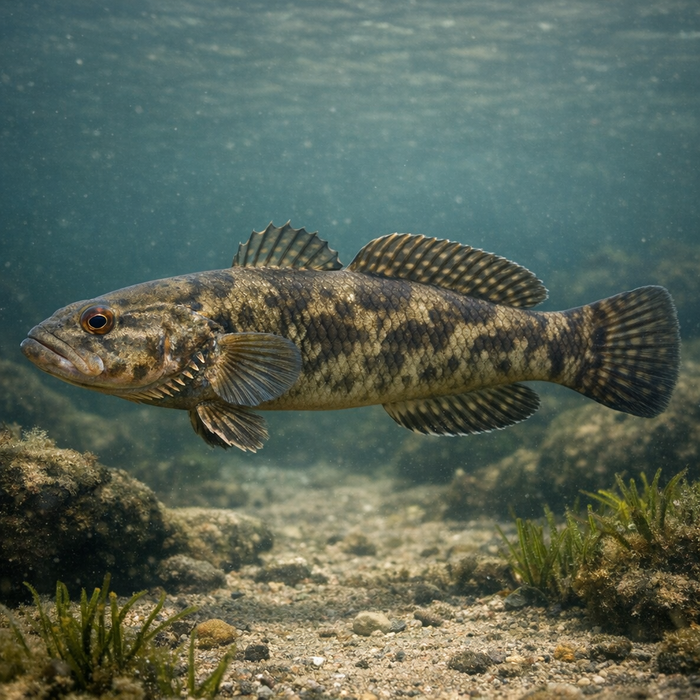
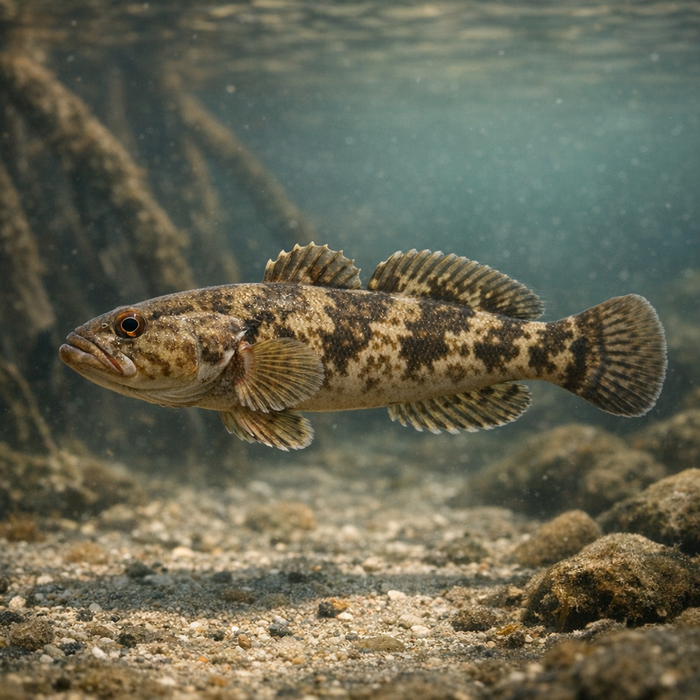
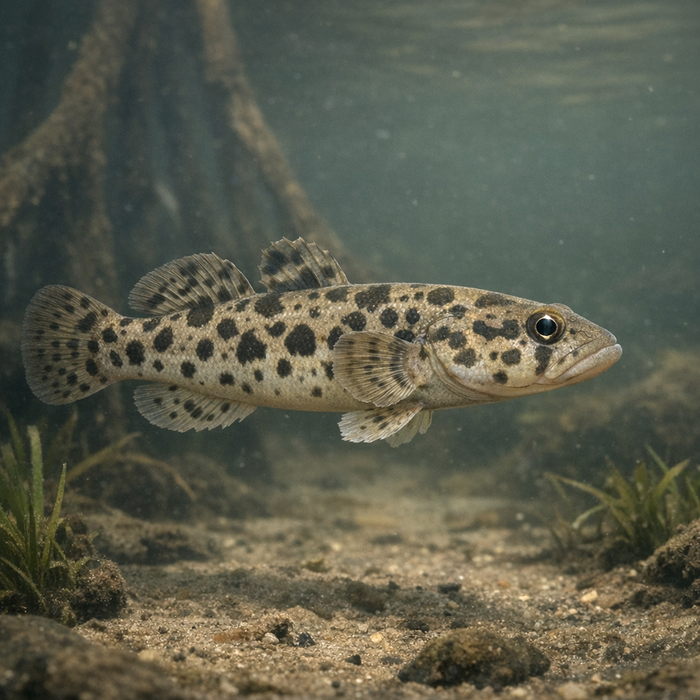
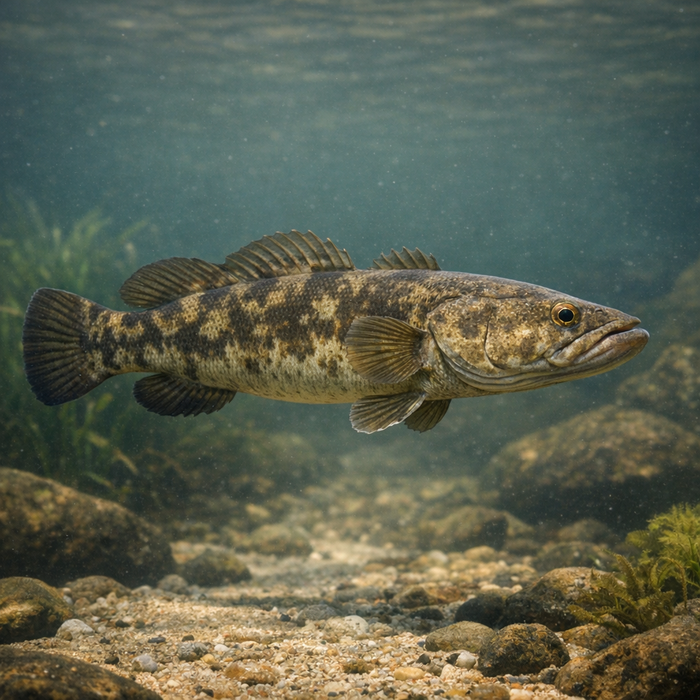
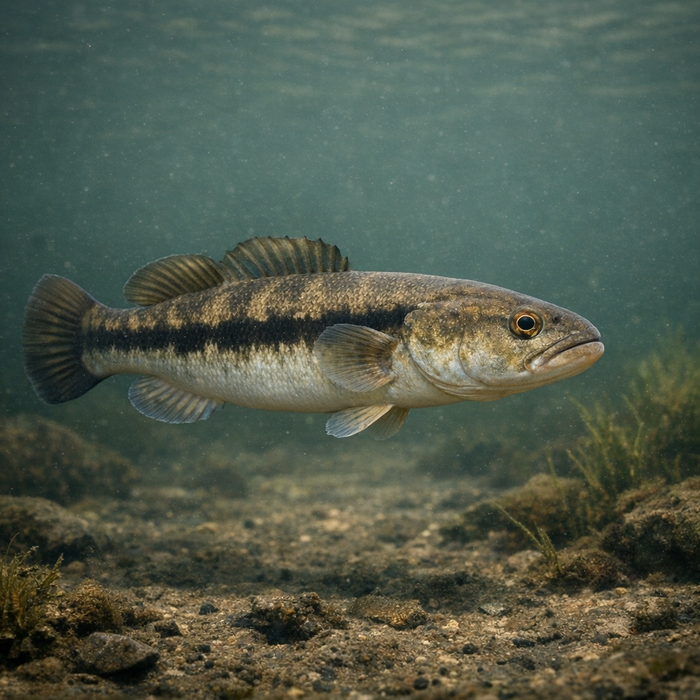
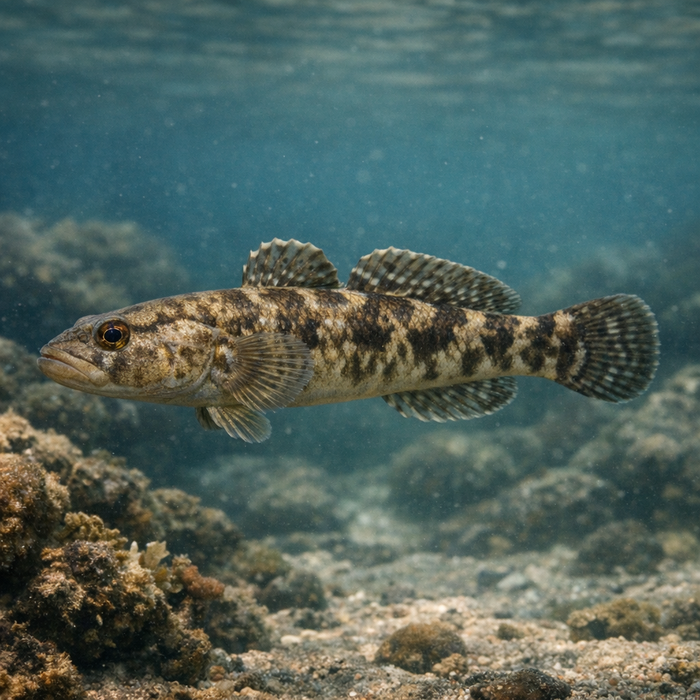
Fat Sleeper (Dormitator maculatus): The Marsh's Laid-Back Bottom BrawlerIntroductionThe fat sleeper is the fish that proves you don't need speed to be a survivor. Thick-bodied, mud-colored, and stubborn as a cinder block, Dormitator maculatus loafs in brackish backwaters where other fish sputter out. Don't let the chill attitude fool you. When the shrimp drift by, this bottom sitter turns into a vacuum with fins. If you like weird, rugged estuary species, you'll appreciate this one.What Makes the Fat sleeper Unique?First, salinity superpowers. The fat sleeper handles everything from near-freshwater runoff to true seawater in the same tide. That adaptability lets it ride out conditions that strand other small inshore fish. Second, it's a goby relative without the suction-cup pelvic fins. Unlike true gobies, sleepers keep their pelvic fins separate, which changes how they brace and lurk on the bottom. Third, it's built like a marsh tank: big head, thick lips, and mottled camouflage designed for ambush on soft mud and shell hash. These aren't flashy fighters, but they're masters of the estuary grind.Habitat & Global RangeIf you're scouting fat sleeper habitat, think quiet, low-gradient water. They occupy mangrove creeks, tidal ditches, marsh ponds, and the low-salinity edges of estuaries from the Southeast U.S. and Gulf Coast through the Caribbean and into tropical Central and parts of South America. They also push upriver into freshwater, especially where tides still shuffle the flow. Structure isn't fancy: undercut banks, shell bars, culvert mouths, spillways, and the shaded root tangles of mangroves. Anywhere leaf litter and mud collect food, the fat sleeper sets up shop. Currents can be mild to moderate; they don't need roaring passes. When you picture Fat sleeper habitat, picture knee-deep, tea-stained, and full of life.Behavior & TemperamentThe name fits. This species rests hard and moves only when it matters, hugging bottom and relying on camouflage. They'll sit in inches of water during higher tides, then drop into mid-depth drains as water pulls out. Typical behavior is short, explosive moves to pin prey, followed by long, lazy resets. They aren't high-flying jumpers, and a hooked fish often argues with stubborn head shakes more than blistering runs. That said, they can be surprisingly quick in tight quarters, especially around mangrove roots where a poor angle means a quick rub-off. Spawning happens in warmer months, with males guarding adhesive eggs beneath hard cover. Larvae drift with tidal flow before settling back into skinny creeks.Ecological ImportanceThe fat sleeper is a gritty link between detritus-rich marsh bottoms and the rest of the food web. It scoops up small crustaceans, worms, and other invertebrates hiding in the muck, then becomes a snack for wading birds, snook, juvenile tarpon, and anything bigger that cruises the creek. That energy transfer is classic estuary business. Their tolerance for low oxygen and wild salinity swings lets them persist where others fade, keeping the system humming during heatwaves, droughts, and storm surges.Conservation & Environmental PressuresGood news first: the fat sleeper is generally considered stable. The catch is the habitat. Mangroves, tidal marshes, and back-barrier lagoons take the brunt of coastal development, road culverts, and nutrient runoff. Those impacts change flow, dump silt, and sometimes spike bacteria or algal blooms. Because this fish is hardy, it can mask early damage, hanging on while more sensitive species disappear. Long-term, though, losing those mosquito ditches and shaded creeks would shrink its range and the cafeteria line it depends on. Watch local water-quality advisories after heavy rains.The FishyAF TakeCall it a gateway oddball. The fat sleeper won't peel drag, but it's an honest look at estuary life. You fish where the bugs bite and the water smells like tannins and tidal funk, and this little bruiser shows up to work. For micro-gear fans and curious anglers, it's a perfect excuse to slow down, watch the tide, and learn how a marsh actually breathes. If you came here hunting Fat sleeper facts, here's the big one: toughness beats glamour in the mud. And when you dial in current seams and shrimp traffic, you'll start seeing every root pile and culvert as a buffet line. That's how a niche fish teaches you the whole system.