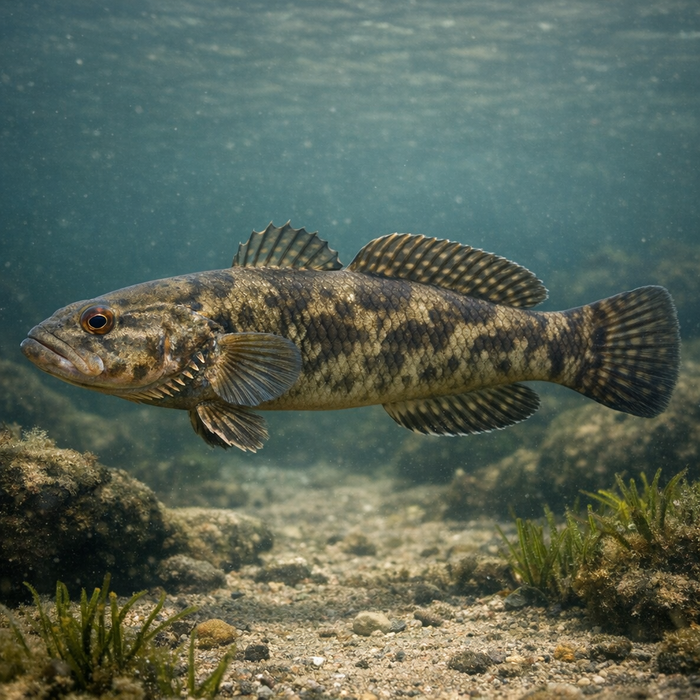
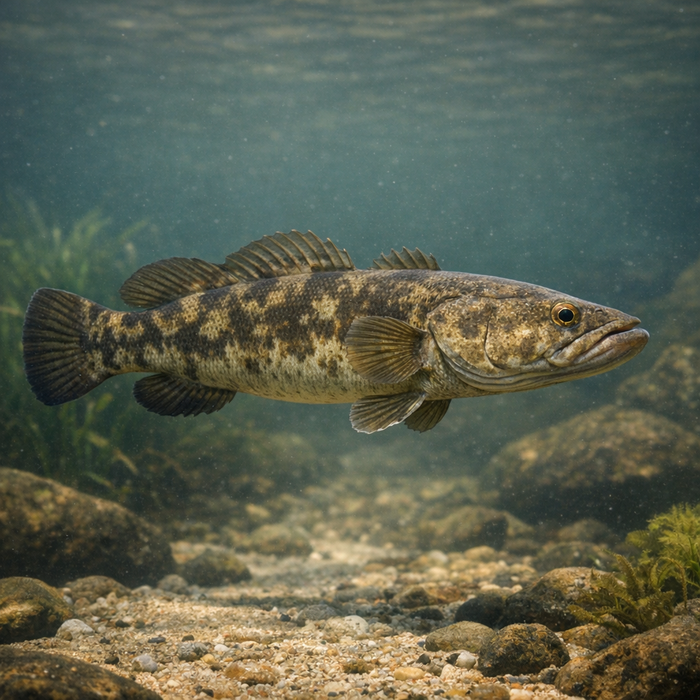
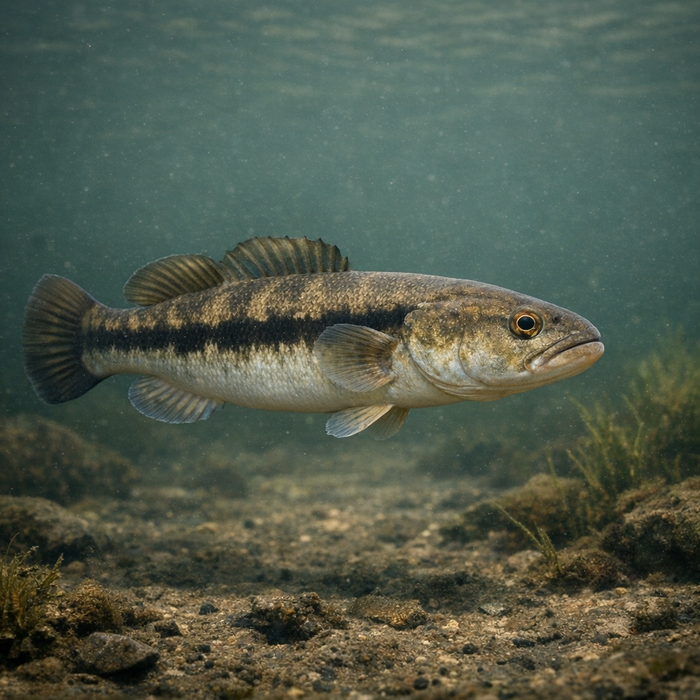
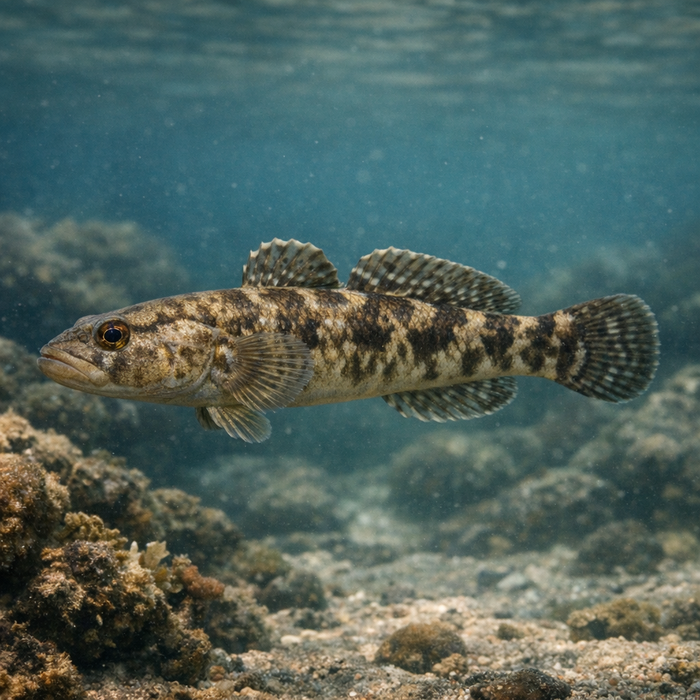
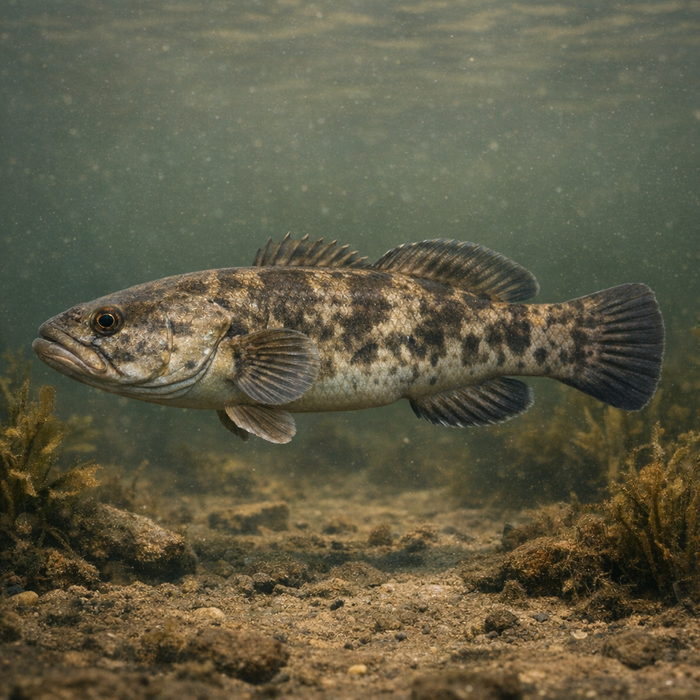
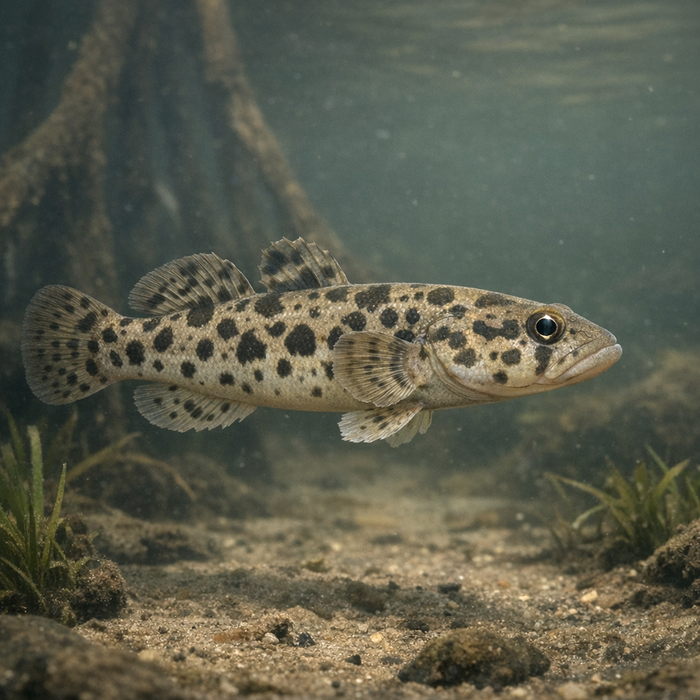
Spinycheek Sleeper (Eleotris pisonis): A Bold, Memorable Hook LineIntroductionThe spinycheek sleeper is the sneaky brawler hiding under your feet while you fuss with snook and tarpon. It's small, earthy-colored, and perfectly built for ambush in the murky, snag-stacked end of the estuary. If you fish mangroves, ditches, or the low brackish reaches of rivers, you've probably had one nip your bait and then vanish like a ghost. Consider this your crash course in spinycheek sleeper facts that actually matter to anglers.What Makes the Spinycheek sleeper Unique?Start with the cheeks. Those little preopercular spines are real hardware, giving Eleotris pisonis its spiky moniker and a built-in deterrent to predators and sloppy handling. Unlike many gobies, this sleeper's pelvic fins aren't fused, so there's no suction-cup crawling here; it's a bottom sitter that slides and bursts rather than clings. Most interesting of all, it's amphidromous: larvae drift out to sea, then juveniles return inland in pulses, infiltrating brackish creeks and marching miles upstream. That life strategy makes the spinycheek sleeper wildly adaptable and way more widespread than you'd expect for such a cryptic fish.Habitat & Global RangeThe spinycheek sleeper thrives in warm, low-gradient water: tidal creeks, mangrove edges, saltmarsh puddles, and the first freshwater miles above the tide line. Muddy bottoms, root tangles, culverts, bridge shadows, and forgotten canals are prime real estate. You'll meet them across the tropical Western Atlantic, from Gulf Coast backwaters and Caribbean islands to the swollen river deltas of northern South America. If there's a mix of warmth, structure, slow current, and something tasty drifting by, the spinycheek sleeper is probably parked there, camouflaged to match.Behavior & TemperamentThink ambush and patience. The spinycheek sleeper rests on the bottom, pulsing forward in short bursts to inhale shrimp, small fish, and anything bite-sized. It's not a runner; it's a snap-and-sulk fighter that relies on camouflage and timing. Dusk and dawn wake it up. Rising tides carry groceries into the mangroves, and the sleeper is happy to shop. Juveniles surge inland after rains, riding freshets through culverts and drainage trickles other species ignore.Ecological ImportanceThis fish glues transitional habitats together. Amphidromy shuttles energy between estuaries and freshwater reaches, and that movement feeds lots of mouths. Spinycheek sleepers eat prolific invertebrates and small fish, then become forage for snook, tarpon, and wading birds. Their ability to tolerate low oxygen in stagnant pockets means they occupy niches most predators avoid, stabilizing food webs in gnarly, overlooked water.Conservation & Environmental PressuresWhile not front-page endangered, the spinycheek sleeper is tied to habitats under constant siege. Mangrove clearing, canal hardening, and polluted runoff can erase the quiet corners it needs. Culverts and weirs can disrupt juvenile pulses moving upstream. It handles adversity better than many species, but death by a thousand cuts is still death. Local water quality and connectivity matter.The FishyAF TakeIs the spinycheek sleeper a marquee sportfish? No. But it's the estuary's dark-horse character, and catching one on purpose is sneaky fun. Micro tackle, tiny baits, and a tight cast into roots will make them show themselves. If you're the angler who loves the weird stuff, add spinycheek sleeper habitat to your hit list. You'll learn more about tides, drains, and urban mangroves chasing these little bruisers than you will flinging blindly at channel markers. Bonus: once you dial the sleeper, everything else lurking in that nasty, wonderful water starts making a lot more sense.