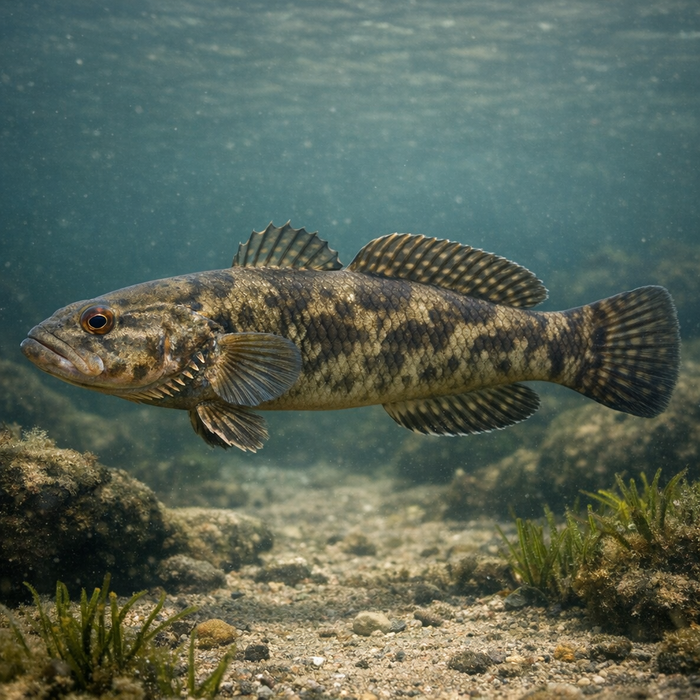
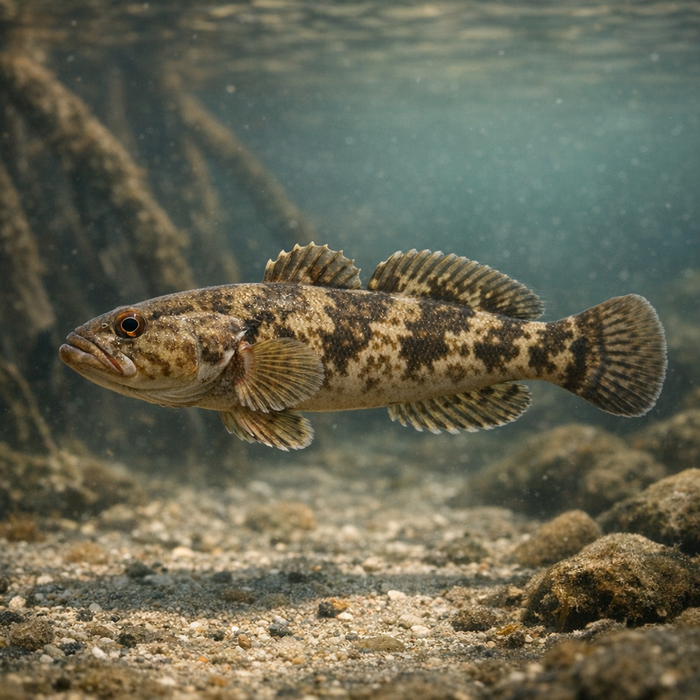
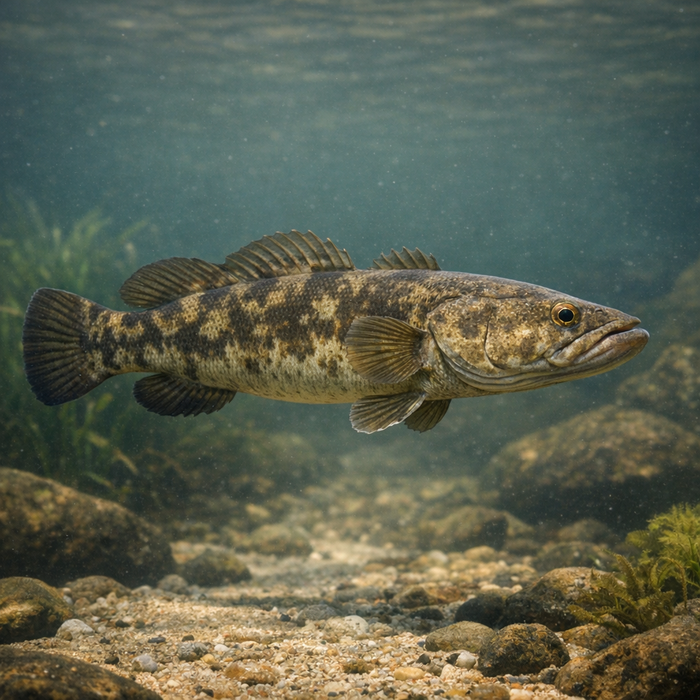
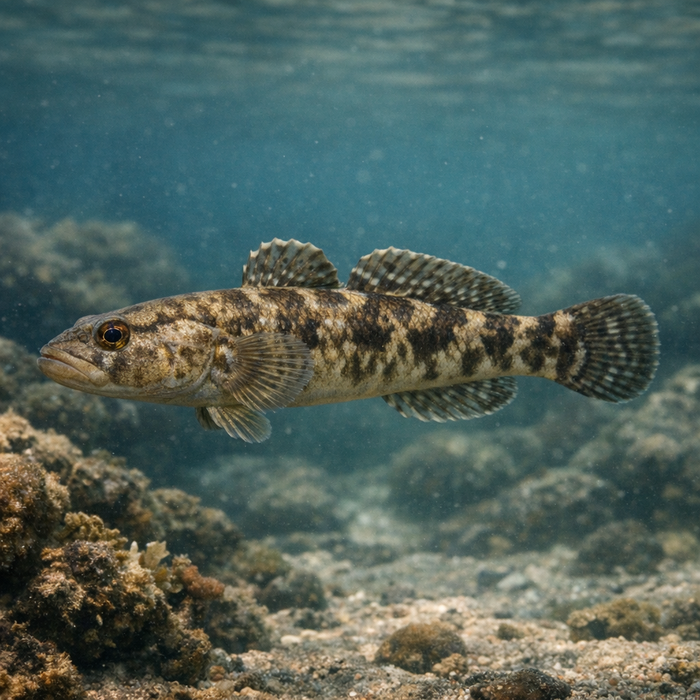
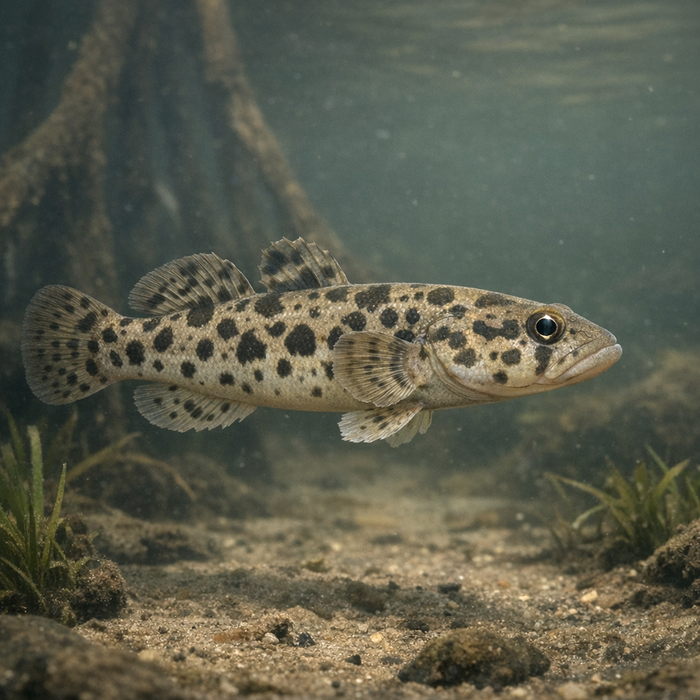
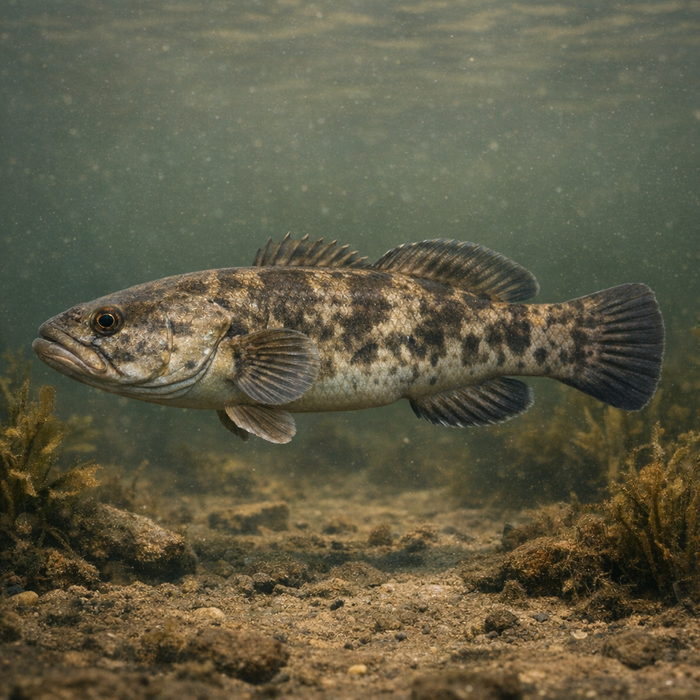
Pacific fat sleeper (Dormitator latifrons): Tough, chunky, and built for murky businessIntroductionThe Pacific fat sleeper is the estuary's quiet bouncer. It doesn't jump, it doesn't blitz bait on top, and it definitely doesn't pose for hero shots like a tarpon. But if you fish tidal creeks, mangrove roots, or muddy backwaters from Mexico to Peru, you've probably bumped into this thick-bodied customer. The Pacific fat sleeper is a bulldog on light tackle, invincible in low-oxygen slop, and criminally underrated among anglers who love poking around fishy edges. If you're here for Pacific fat sleeper facts, you're in on the secret already.What Makes the Pacific fat sleeper Unique?Start with the mouth. Dormitator latifrons comes standard with a cavernous suction cup of a face, perfect for vacuuming shrimp, crabs, and the occasional small fish off the bottom. Then there's its lifestyle: this species is amphidromous, which means eggs and adults hang in brackish or fresh water, but larvae drift to sea before the youngsters nose their way back inland. That life cycle fuels resilience and wide dispersal. Add in ridiculous salinity tolerance and a knack for staying low and tight to structure, and you've got a survivor that eats well while avoiding trouble.Habitat & Global RangeHere's the quick tour of Pacific fat sleeper habitat: muddy estuaries, mangrove lagoons, tidal creeks, and the lower reaches of tropical rivers on the eastern Pacific. Think edges, drains, and anywhere silt piles up with a little current. They'll slide upriver into pure freshwater or nose out near shorelines with a hint of surf, but the A-zone is brackish soup with cover. You'll see the best numbers in Central America and northern South America, with notable populations in Ecuador and Peru, plus islands like the Galápagos. If your map has mangroves, shrimp, and incoming freshwater, this fish has probably signed the lease.Behavior & TemperamentDespite the "sleeper" name, this fish isn't lazy; it's deliberate. The Pacific fat sleeper holds near bottom, ambushes at short range, and fights like a sack of wet cement with fins. It's not a sprinter, but it pulls hard and uses current and structure like a street-smart brawler. Feeding peaks in crepuscular windows and during tidal movement that kicks groceries down the bank. They don't school tight like sardines, but you'll often catch several from the same little cut if conditions line up. The vibe is patient predator with occasional bursts of rude efficiency.Ecological ImportanceDormitator latifrons is a versatile omnivore and a tidy cog in estuarine food webs. It mows through crustaceans and benthic invertebrates, nips plant matter and detritus when that's what's cooking, and serves as prey for snook, jacks, birds, and crocs. That amphidromous drift of larvae out to sea and back again spreads genes and energy between river and ocean, stitching habitats together. It's also culturally important: in Ecuador, it's farmed and sold as chame, a hardy, low-input protein source that tolerates pond life other fish would write angry letters about.Conservation & Environmental PressuresThe species is currently listed as Least Concern, but that's not a free pass. Estuaries absorb everything we dump: sediments, nutrients, pesticides, and heavy metals. Mangrove clearing and shoreline hardening erase the very edges this fish relies on. Overfishing isn't a marquee issue here, but subsistence and local commercial harvests matter, especially when water quality tanks. If you want thriving Pacific fat sleeper populations, you want thriving mangroves, smarter runoff management, and estuaries that can breathe.The FishyAF TakeThe Pacific fat sleeper is the poster child for muddy little miracles. You won't brag about tail-walking jumps, but you will smile when a sleeper freight-trains your shrimp and bulldogs for bottom. It's a perfect target when you're exploring, when the tide's right, and when you'd rather fish edges than crowds. If your idea of fun is light line, precise casts at gnarly cover, and listening to a drag buzz over something that looks like nothing, put this species on the list. File under simple gear, sneaky tides, and satisfying thumps. That's the real Pacific fat sleeper habitat: wherever the water's dirty, the roots are tangly, and the groceries roll past at ankle depth.