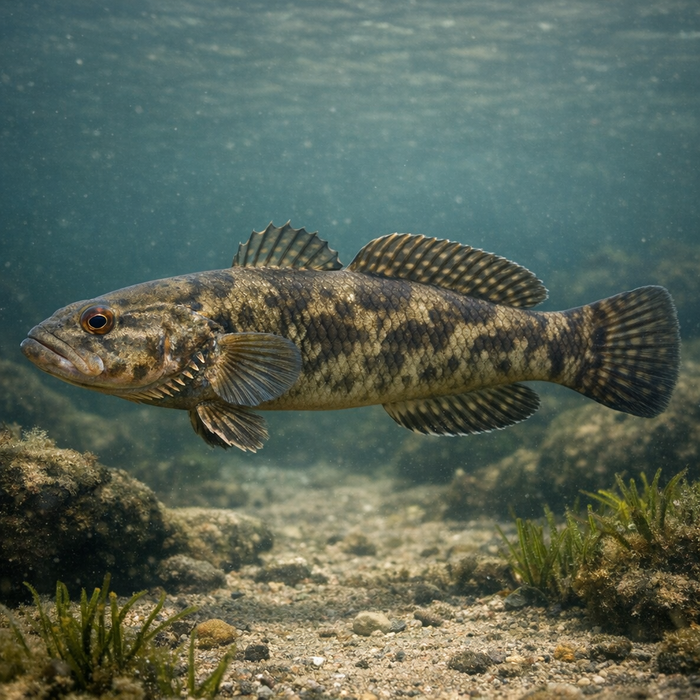
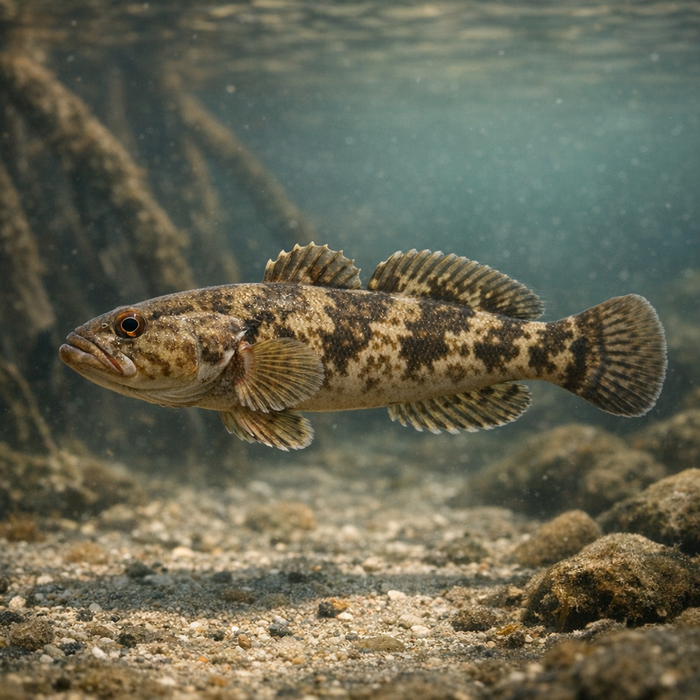
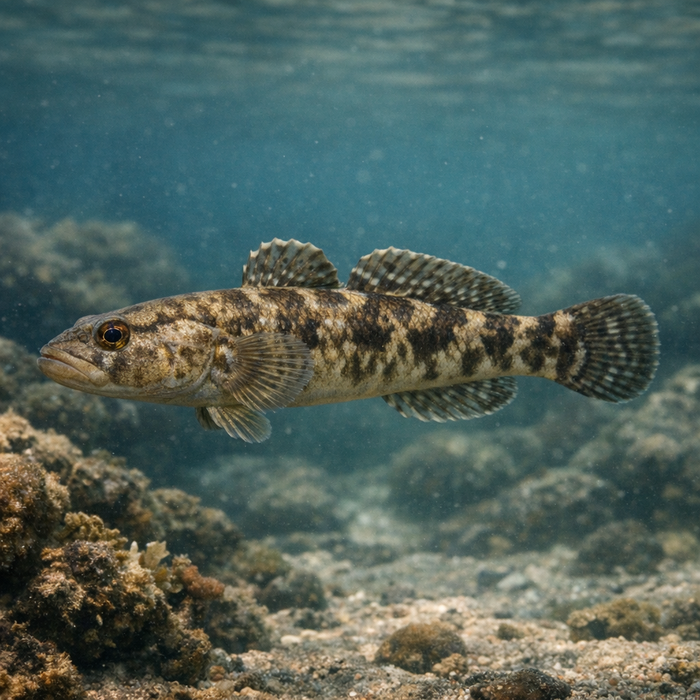
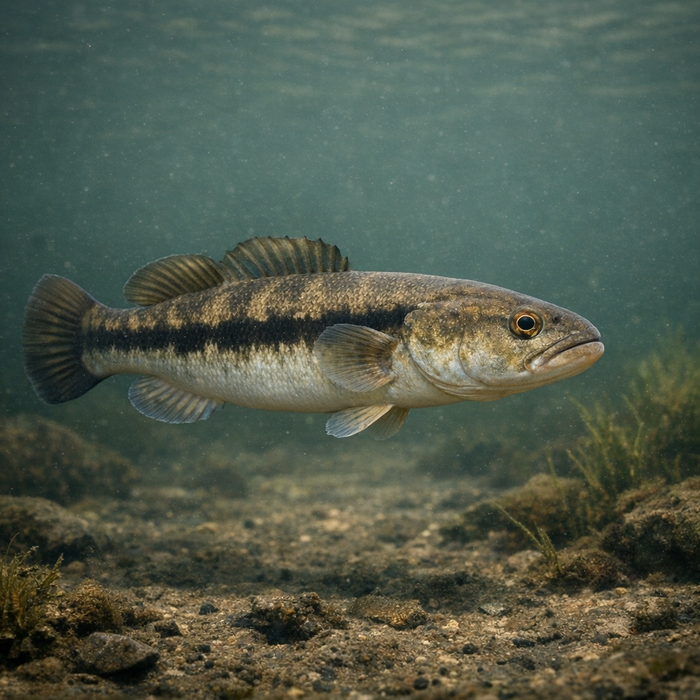
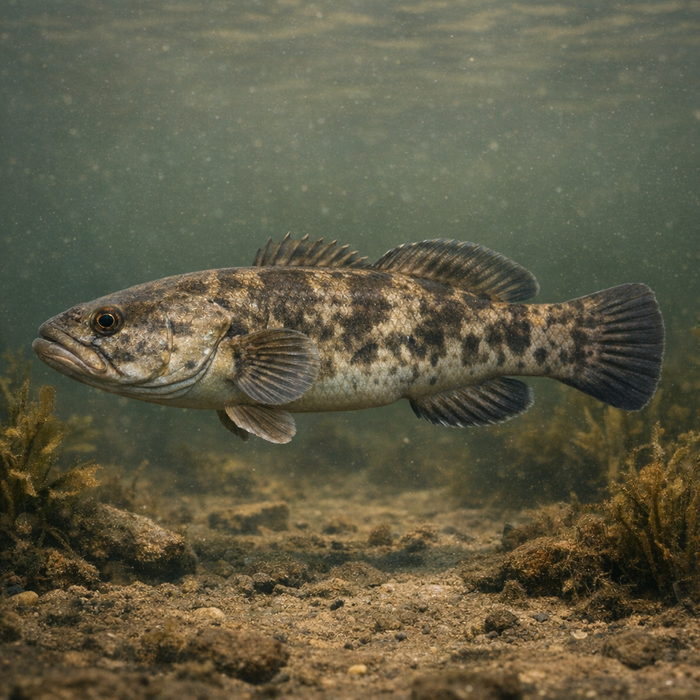
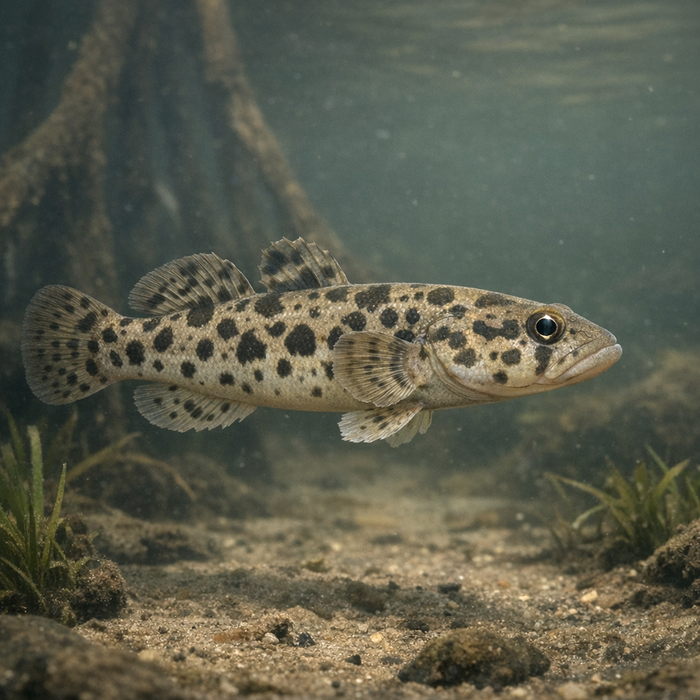
Bigmouth Sleeper (Gobiomorus dormitor): A mangrove bruiser with a vacuum for a mouthIntroductionThe bigmouth sleeper is the ambush specialist nobody warns you about. Parked like a wet log under mangrove roots, it looks lazy until your bait twitches in range. Then it detonates. If you fish tropical estuaries or lowland rivers from the Caribbean into northern South America, the bigmouth sleeper belongs on your radar. These fish hit like a thief, pull like a bulldog, and deliver a crash course in current seams and shadow lines. Welcome to the underappreciated side of inshore fishing. Time for some real bigmouth sleeper facts.What Makes the Bigmouth sleeper Unique?Start with that jaw. The bigmouth sleeper wields a gaping, hinged intake that can swallow prey far larger than you'd expect from a gobioid fish. It's an inhale-and-pin predator, using negative pressure and leverage to gulp shrimp, small fish, and almost anything unlucky within reach. Second, it's a sleeper, not a goby: no pelvic suction cup, no rock-clinging antics. Instead, you get a thick-shouldered, elongated fish built to hug bottom and hammer ambushes. Third, its life cycle is amphidromous. Larvae drift to sea, then juveniles return in pulses to move far upstream, repopulating creeks after rainy-season flushes.Habitat & Global RangeThink brackish edges and lowland freshwater. Bigmouth sleeper habitat spans mangrove creeks, tidal rivers, lagoons, and the freshwater reaches miles above estuary mouths. You'll see them in the Caribbean, across Central America, and into northern South America, with occasional appearances in South Florida canals. They favor mud and sand near wood, mangrove prop roots, bridge pilings, and rock outcrops. Depth isn't complicated: 1 to 10 feet covers most of it, with a premium on current breaks and shadow lines. Salinity tolerance is excellent, so they ride seasonal flows, from near-ocean brine to chocolate-milk freshwater.Behavior & TemperamentDespite the name, the bigmouth sleeper isn't sleepy. It's calculating. They stage on bottom, facing current, and pounce during short, decisive feeding windows. Low light turns them bold. Dusk, night, and overcast afternoons are money. They rarely school as adults; you're working singles and small clusters tied to structure or seam lines. The bite feels like a door slamming shut, followed by heavy head shakes and a determined effort to bulldog back into cover. Miss the window and they'll ghost you, settling into the mud like a buried anchor.Ecological ImportanceGobiomorus dormitor links estuaries to rivers and the open ocean. Its amphidromous cycle ferries energy and nutrients across salinity zones, while adults control populations of shrimp and small fish in creeks and lagoons. Juvenile migrations feed birds, snook, tarpon, and a long list of opportunists. In mangrove systems pressed by development, the sleeper is part of the quiet machinery that keeps food webs humming. Pull it out of the equation and you'll feel the ripple.Conservation & Environmental PressuresThe species is generally considered Least Concern, but that label hides local drama. Mangrove clearing, dredging, pollution, and altered freshwater flows can kneecap nursery habitat and disrupt juvenile returns. Overharvest isn't typically the big threat; bulldozers and bad water are. In some regions, sleepers remain common in healthy creeks; in others, they're a rumor from your grandfather. The fix is habitat first: keep mangroves standing, flows natural, and estuary mouths connected.The FishyAF TakeThe bigmouth sleeper is the inshore sleeper hit. It's not a headline species, which is perfect. You fish tighter, learn to read current like a book, and get rewarded with violent eats in thigh-deep water. Call it a gateway fish to precision estuary work. Nail down tides, shadows, and bottom contour, and the bigmouth sleeper will teach you patience, stealth, and the power of putting a bait exactly where it belongs. If you're building a list, add "bigmouth sleeper habitat" to your scouting notes. Hook one and you'll get it instantly: this fish is all business, all mouth, and way more fun than the name suggests.