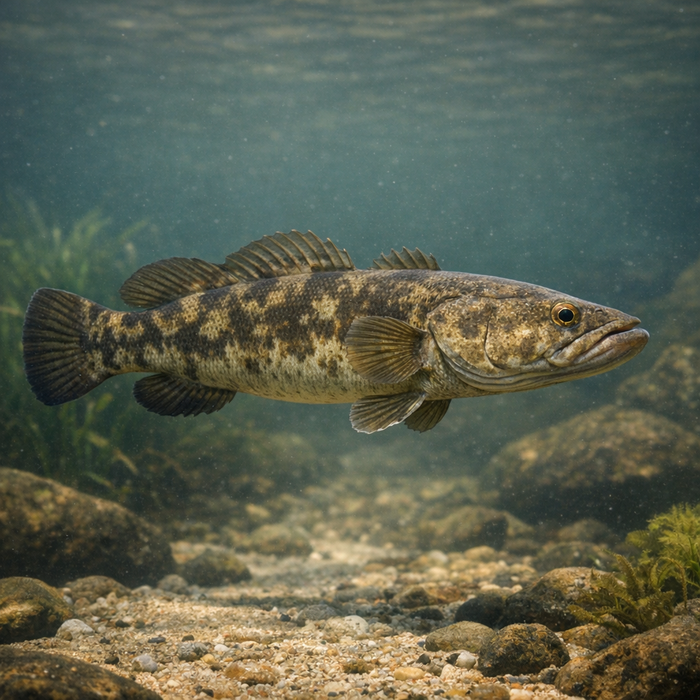
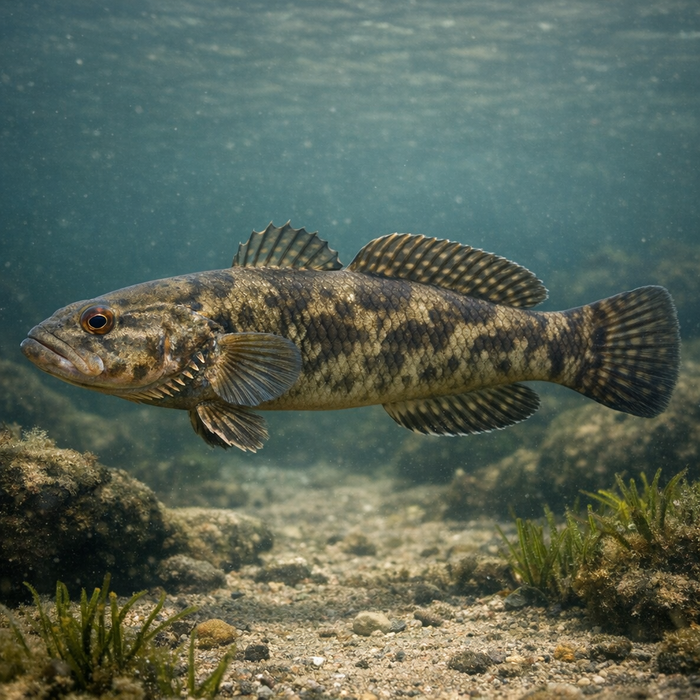
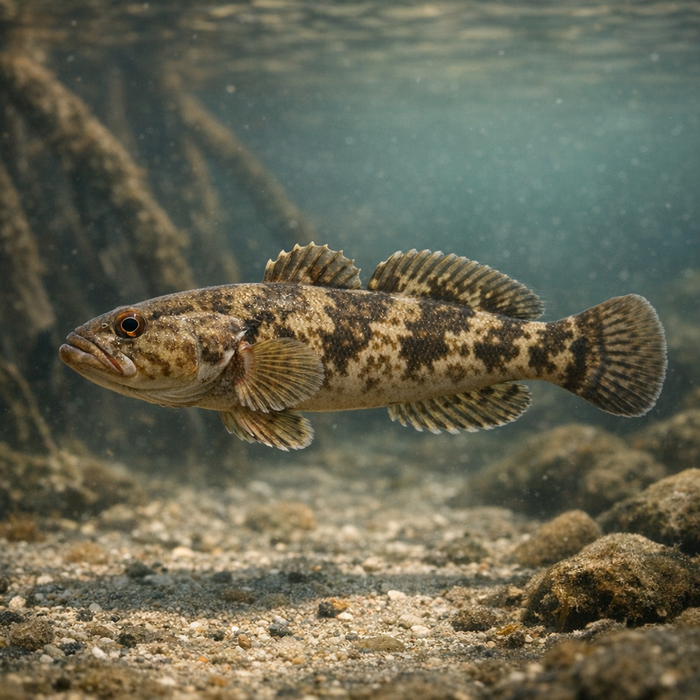
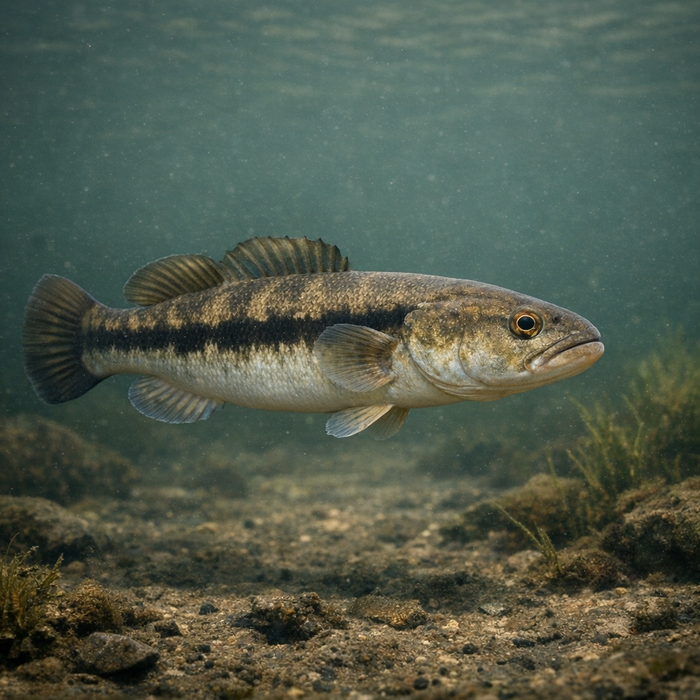
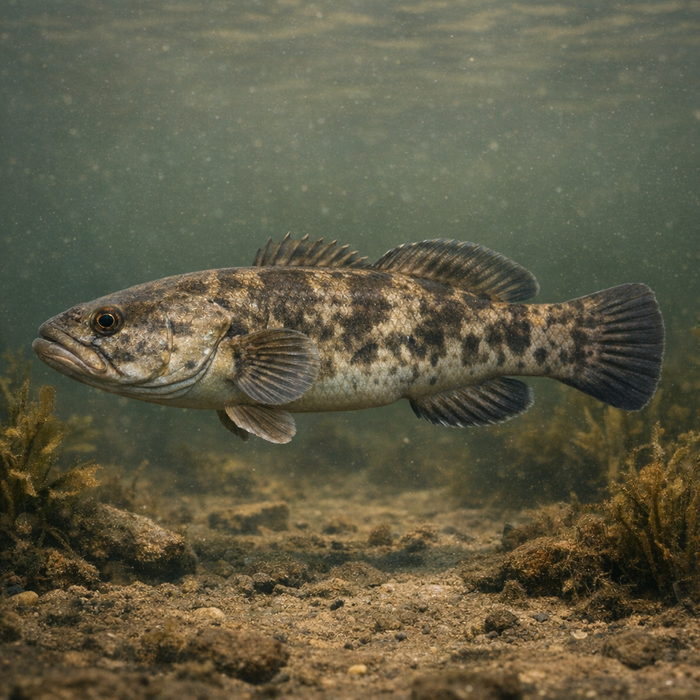
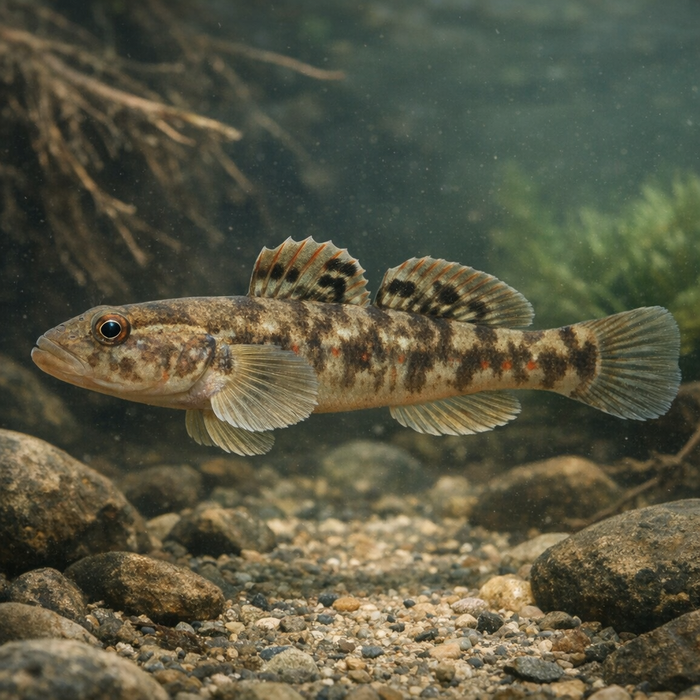
Sandwich Island sleeper (Eleotris sandwicensis): Hawaii's stealthy stream ambusher with serious bottom mannersIntroductionThe Sandwich Island sleeper is the quiet professional of Hawaiian streams. No hype, no splashy runs, just a thick-headed goby parked on the bottom waiting to vacuum anything unlucky within striking distance. If you want fireworks, go chase bonefish. If you want a native original with attitude and a story that spans salt and fresh, the Sandwich Island sleeper is your huckleberry. Consider this your crash course in real-deal Sandwich Island sleeper facts and where this oddball fits into the stream-to-sea puzzle.What Makes the Sandwich Island sleeper Unique?Start with hardware. Unlike several other Hawaiian gobies that sport fused pelvic fins forming a suction disc, Eleotris sandwicensis does not. That means waterfalls are brick walls, locking the Sandwich Island sleeper into lower stream reaches and estuaries. It also runs an ambush program: broad head, big mouth, and a vacuum strike that turns small shrimp and invertebrates into instant lunch. Finally, the life history is amphidromous. Larvae head to sea, drift on currents, and recruit back to brackish lower streams before settling in. It is a migration without drama and it happens constantly.Habitat & Global RangeThis species is Hawaiian through and through, hugging the lower river gradient, backwaters, side pools, undercut banks, and estuary edges. Picture basalt boulders, leaf piles, and slow seams where fresh meets a taste of salt. The Sandwich Island sleeper habitat sweet spot is knee-deep to a few feet of water, with enough cover to vanish between strikes and enough current to carry snacks past its nose. Because they cannot scale waterfalls, their upstream distribution stops where the geology gets vertical, keeping them concentrated near the coastal plain.Behavior & TemperamentPatience is the move. A Sandwich Island sleeper will hold still so long you might swear the fish is a rock. Then it blinks and inhales your bait. Strikes are quick and close to bottom, fights are stout but short, and the fish immediately tries to jam back into structure. Dusk and night are prime times, with a noticeable pop in activity after rains when turbidity cloaks their approach. They are not schooling fish. Think solitary or loose groups, pacing their little stretches of rock and root.Ecological ImportanceThis species slots into a crucial junction between stream and sea. Larvae export nutrients to the ocean; returning juveniles import marine energy back into freshwater food webs. The Sandwich Island sleeper helps regulate small invertebrate populations and becomes a snack for larger predators, stitching together two worlds in one compact body. Healthy runs of these gobies signal that connectivity is intact: flows reach the ocean, estuaries breathe, and passage exists for the next wave of recruits.Conservation & Environmental PressuresGood news first: the Sandwich Island sleeper is still around in many Hawaiian drainages. The caution tape: channelization, diversions, invasive predators, and clogged estuaries can turn that amphidromous life cycle into a maze. Because they cannot pass steep falls, any habitat loss near stream mouths hits twice as hard. Dry-season trickles, stormwater spikes, and urban runoff complicate the picture. Keep flows connected, keep the estuaries alive, and these bottom bouncers keep doing their job.The FishyAF TakeThe Sandwich Island sleeper is not a numbers-brag species or a viral flex. It is a native specialist that rewards anglers who appreciate the small, the subtle, and the local. If you want to understand Hawaii's streams, learn this fish. Read the rocks, feel the current, and get low and quiet. The Sandwich Island sleeper will not chase your lure across the pool, but put something snack-sized right where it broods and it is game on. Low drama. High satisfaction. That is the Sandwich Island sleeper habitat lesson in one tidy package.