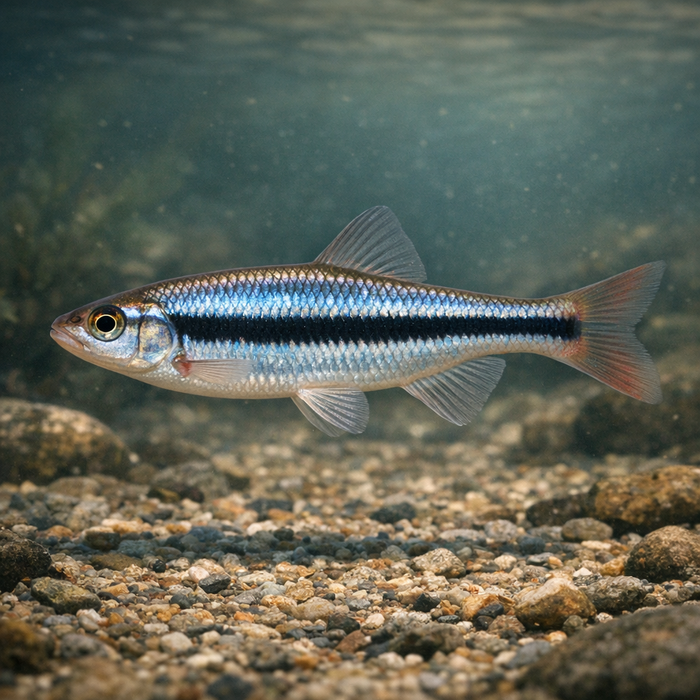
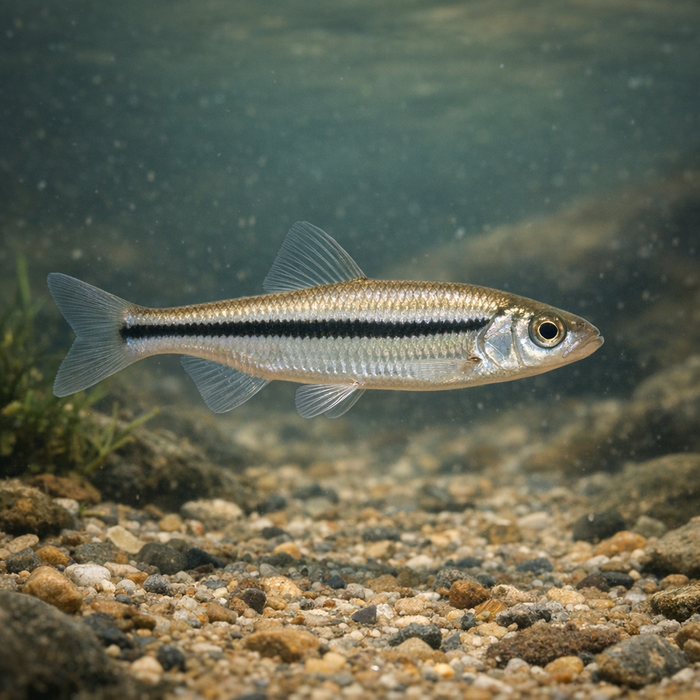
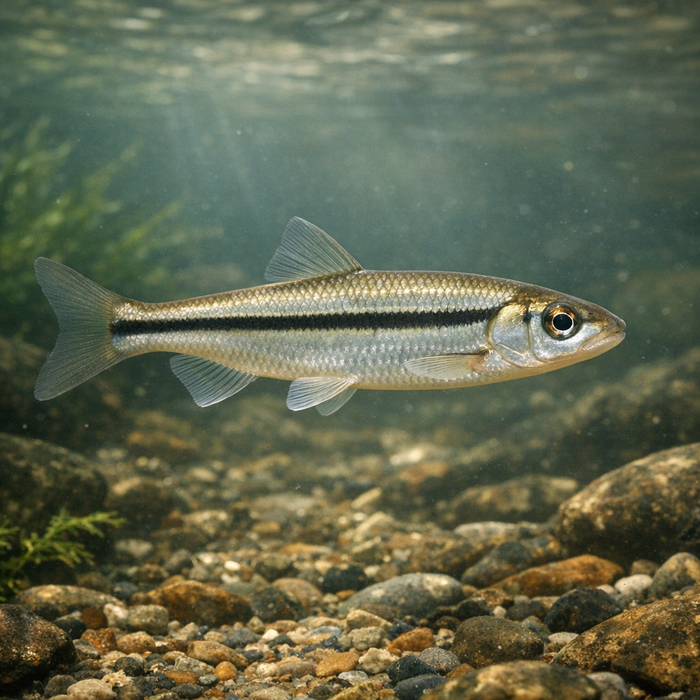
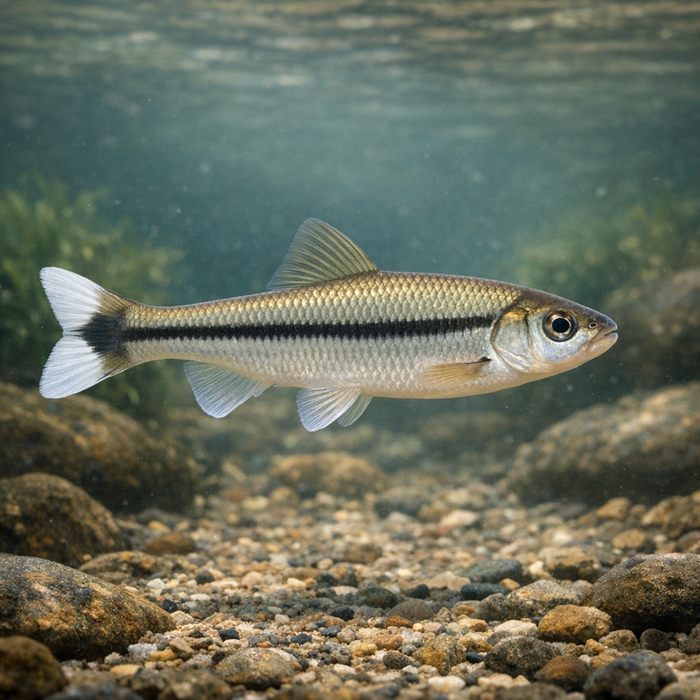
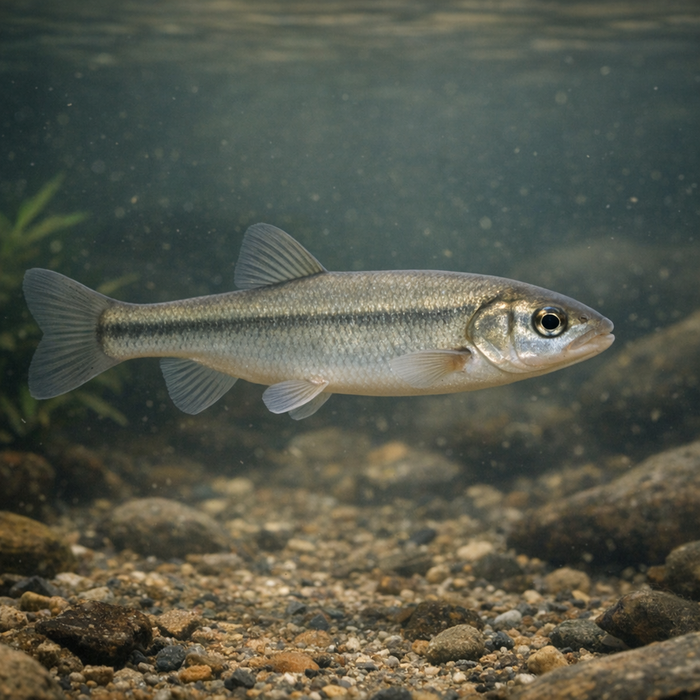
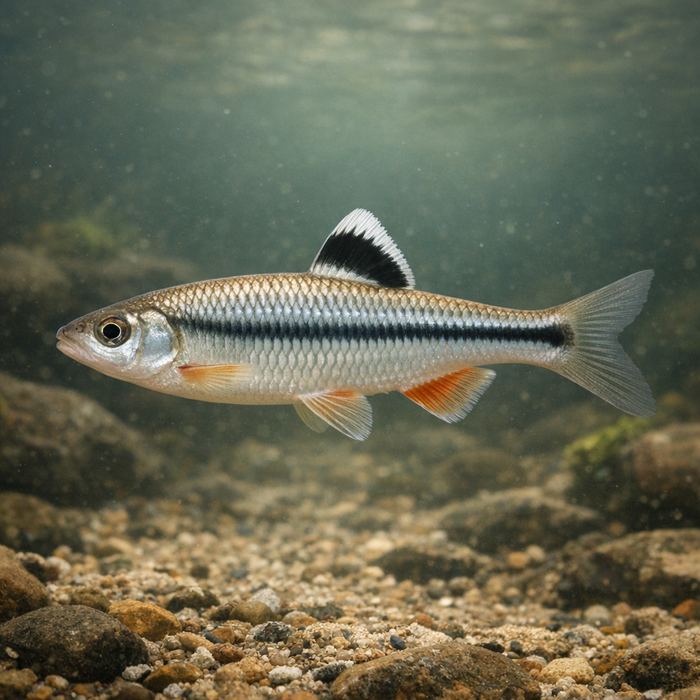
Largescale Stoneroller (Campostoma oligolepis): The creek's rock-polishing lawnmower with a cult micro-fishing following.IntroductionThe largescale stoneroller is the fish you've seen a thousand times and never actually looked at. It's the brownish ghost darting over riffles while you focus on trout. But this little herbivore has a hard scraper for a lower lip, a head built to shove pebbles, and a mob mentality when the algae buffet is open. For anglers who appreciate small-water puzzles, the largescale stoneroller is oddly addictive. Consider this your crash course in real-deal largescale stoneroller facts.What Makes the Largescale stoneroller Unique?Two features own the spotlight. First, the mouth: instead of teeth up front, it packs a horny scraping pad, perfect for shaving algae and diatoms from rocks. Second, the attitude: during spawning, males literally roll stones to clear a clean patch of gravel, then flash tubercles and color to get noticed. The combination of rock-bulldozing behavior and algae-first diet is uncommon, even among minnows. Add those larger-than-average scales that give the species its name, and you've got a creek character that's easy to ID once you've paid attention.Habitat & Global RangeLargescale stoneroller habitat is all about current and clean substrate. Think small to medium streams with riffles, runs, and pea-to-cobble gravel. They favor well-oxygenated water and avoid deep mud, but they can hang in pool tails and along current seams when flows drop. Distribution centers on interior drainages of the Midwest and Southeast, often alongside sunfish, dace, and darters. They roam short distances seasonally, surging onto shallow riffles in spring and retreating to slightly deeper runs and pool edges during heat or drought.Behavior & TemperamentThey're daytime grazers, working in squads that behave more like livestock than predators. Expect tight schools, methodical feeding, and jittery reactions to overhead shadows. Aggression is low; precision is high. Hooking them can feel like threading a needle because the mouth is small and they're picky about what looks edible. During spawning, males go from meek to rowdy, scraping gravel and sparring with tubercle-on-tubercle shoulder checks. Outside of that window, they're calm, efficient, and surprisingly structured around bottom contours.Ecological ImportanceThis species is a stream janitor. By stripping algae and rolling small stones, they keep surfaces clean, which boosts oxygen flow for insect eggs and frees habitat for mayflies and caddis. That means a healthier buffet for sportfish you actually chase. Their grazing helps moderate nuisance algal blooms, and their eggs and fry feed a crowd of other species. Call it humble hero work: unglamorous, steady, incredibly valuable.Conservation & Environmental PressuresDespite being listed as Least Concern across much of its range, the largescale stoneroller needs clean, flowing water. Siltation smothers the cobble they feed on. Nutrient spikes can blow up filamentous algae beyond what they can manage. Low summer flows and warm water push them out of their comfort zone. The good news: protect riffles and riparian buffers and this fish bounces back fast. It tolerates some disturbance better than daintier stream fish, but it's not bulletproof.The FishyAF TakeThe largescale stoneroller won't blister a drag or headline a tournament. But if you like reading water, stalking riffles, and solving micro-sized puzzles, it's catnip. Tiny hooks, stealth steps, and a pinch of algae dough turn a lunch break into a species checkmark. More importantly, when you see stonerollers cruising a riffle, you're looking at a stream with a pulse. They're the litmus test you can actually catch. That makes them more than background noise: they're the sign the creek is doing what a creek should do.