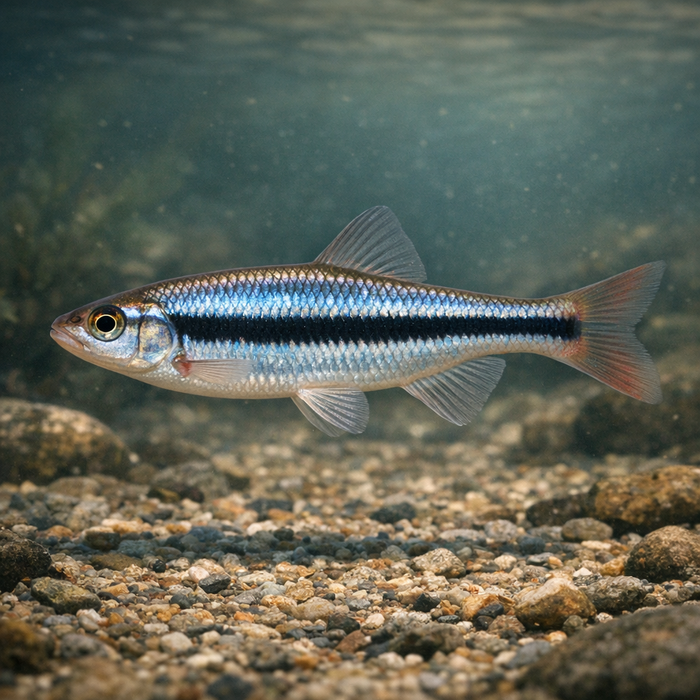
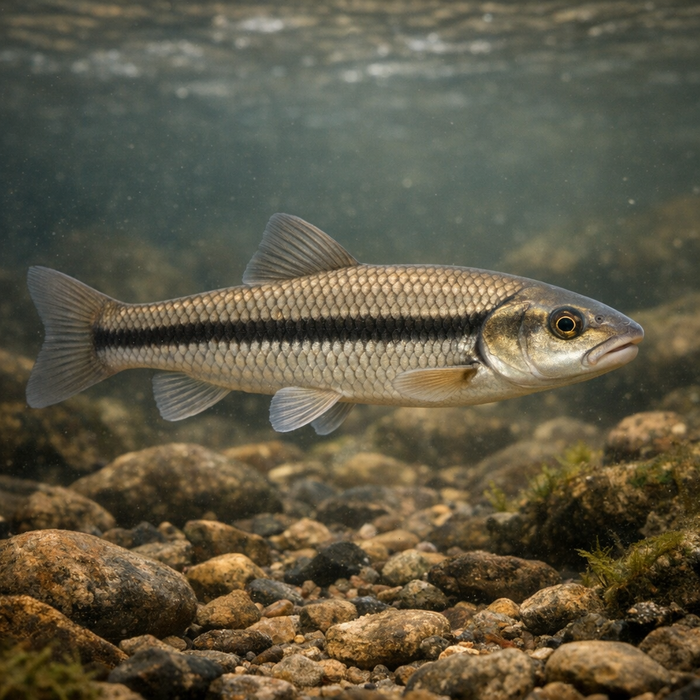
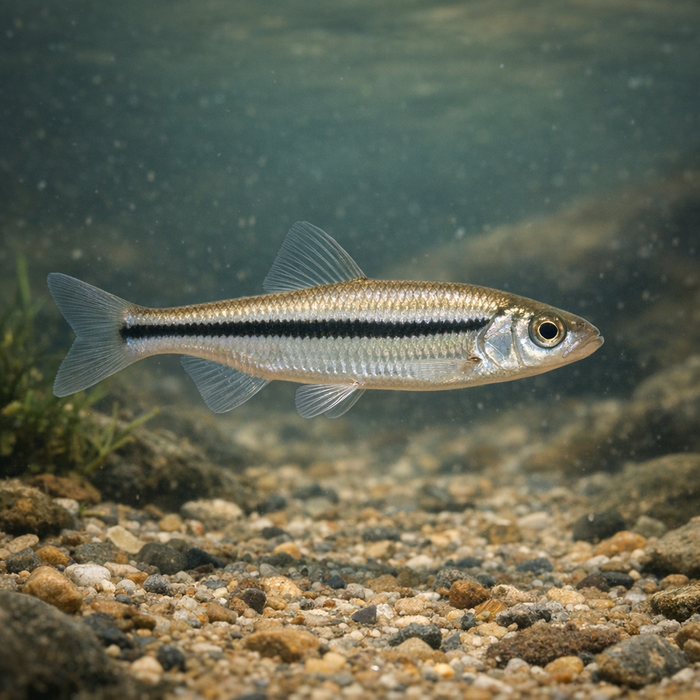
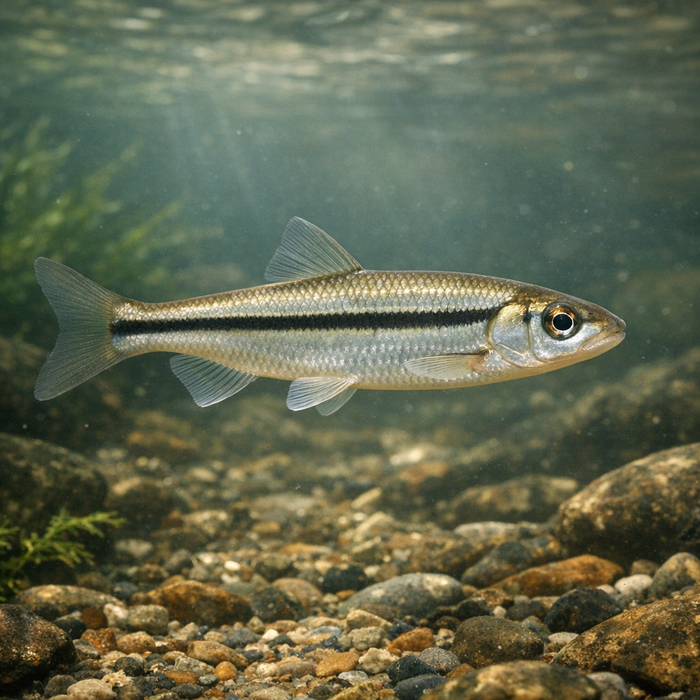
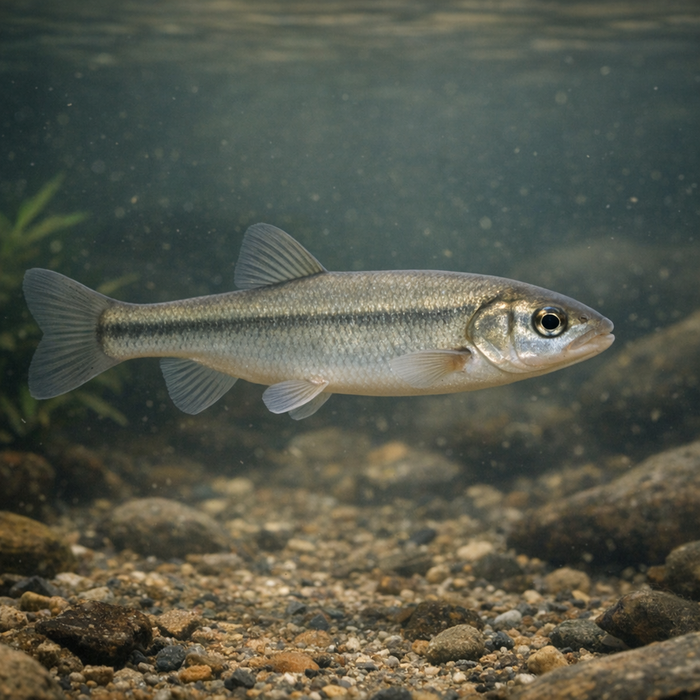
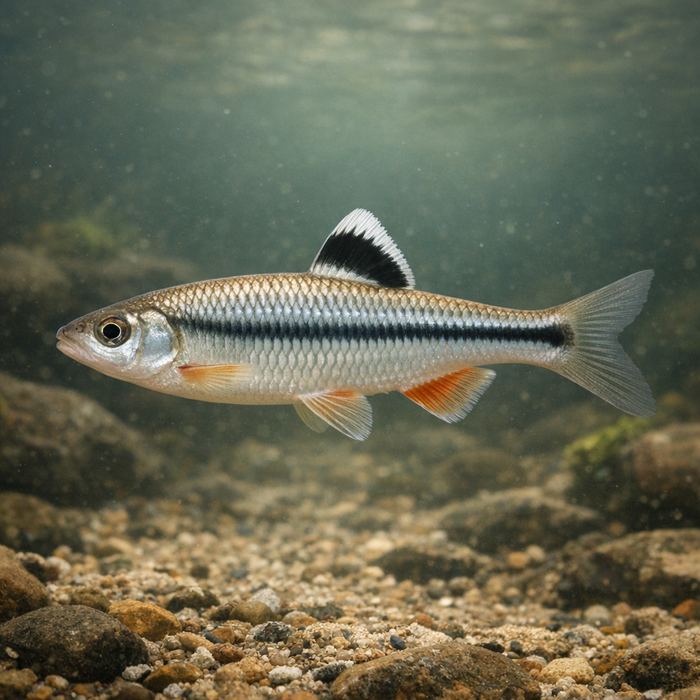
Whitetail Shiner (Cyprinella galactura): A Bold, Memorable Hook LineIntroductionThe whitetail shiner is proof that small fish can have massive stage presence. Flashy tails, twitchy speed, and crevice-guarding bravado turn these riffle rockets into headline material for micro anglers and naturalists. If you want a crash course in reading current seams and presenting tiny baits, few fish will humble and teach you faster.What Makes the Whitetail shiner Unique?Start with the trademark: a crisp white patch at the base and edges of the tail that pops like a flare in choppy water. That's no fashion statement; it's visual messaging in turbulent currents where subtle colors vanish. Then add the breeding makeover. Males develop small bony tubercles on the head and defend rock crevices with surprising intensity. It's like watching pint-sized linebackers coached by river hydraulics. Finally, there's the genus signature: crevice spawning. Whitetail shiner pairs tuck eggs into narrow cracks in rock or wood, safe from silt and egg eaters.Habitat & Global RangeIf you're hunting "Whitetail shiner habitat," think clear, cool to warm streams with rocky riffles, runs, and periodic pools across the Southeast and fringes of the Midwest. They love oxygen, flow, and clean gravel that doesn't clog nest crevices. You'll see them sweeping along current edges, slipping in and out of light like mercury. They also slide into slower pools during drought, but make no mistake-riffle real estate is home base. Regional presence shifts by watershed, but Tennessee and Cumberland drainages are classic strongholds, with lookalike shiners sharing space and occasionally trying to crash their crevice parties.Behavior & TemperamentSchooling is their superpower. A dozen fish can pivot like one organism, snapping turns to vacuum up drifting insect bits. When spawn time hits, the vibe changes. Males stake crevices, chase rivals, and vigilantly patrol that tiny patch of prime rock. They're opportunistic feeders-quick to hit micro morsels-and they respond predictably to current breaks and bubble lines. As water warms, activity ramps up, then settles into dawn and dusk peaks. In winter, they throttle back but still haunt softer seams where calories come cheap.Ecological ImportanceWhitetail shiners sit at a critical junction in stream food webs. They vacuum drifting insects and small invertebrates, then pass that energy up the line to larger predators. Their crevice-spawning habit keeps eggs out of silt-choked substrates, which is both a reproductive strategy and an accidental indicator for stream health. Where you see strong, glossy schools of whitetail shiner, you usually see oxygen-rich flow, stable banks, and honest gravel.Conservation & Environmental PressuresThe species is generally secure, but it's allergic to dirty water and sloppy watersheds. Siltation from poor land use, bank trampling, and stormwater blowouts can pack crevices and doom a spawn class. Warm, low-oxygen conditions shrink their usable neighborhood fast. Barriers that fragment flow also matter; even a small low-water crossing can shuffle habitats in ways that hurt riffle specialists. The good news: protect riffles, shade the banks, and keep substrate clean, and whitetail shiner numbers bounce back hard.The FishyAF TakeHere's the pitch: if you can consistently catch whitetail shiner, you're learning the stream at full resolution. You're mastering micro drifts, stealth, and reading seams-skills that scale up to trout, bass, and anything else that eats in current. For anglers curious about "Whitetail shiner facts," start with this: the white tail isn't just pretty, it's a signal built for riffles. The fish is small, but the lessons are huge. Pack light line, tiny hooks, a patient drift, and a camera. Crack that bite, and you'll never look at a riffle the same way again.