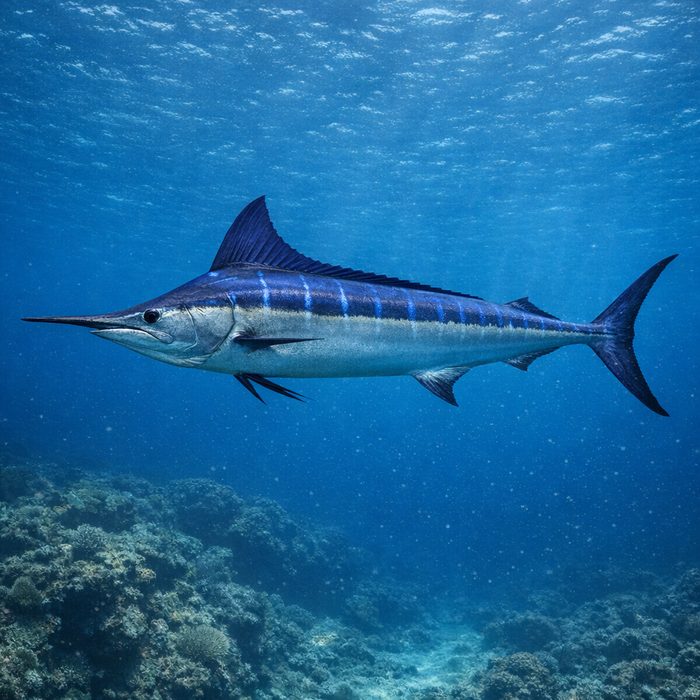
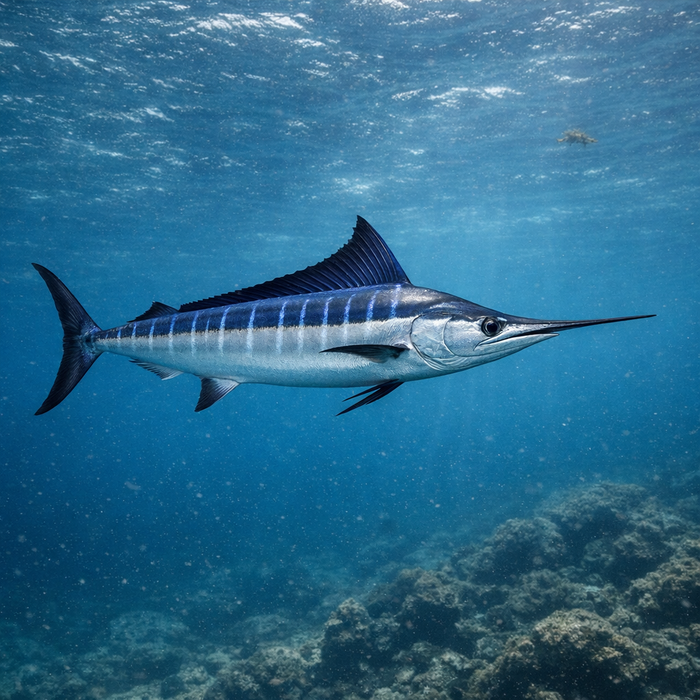
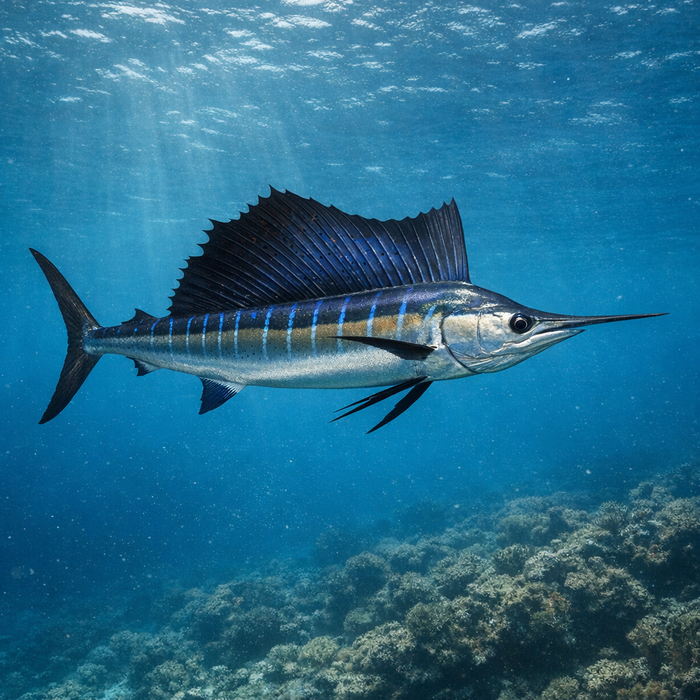
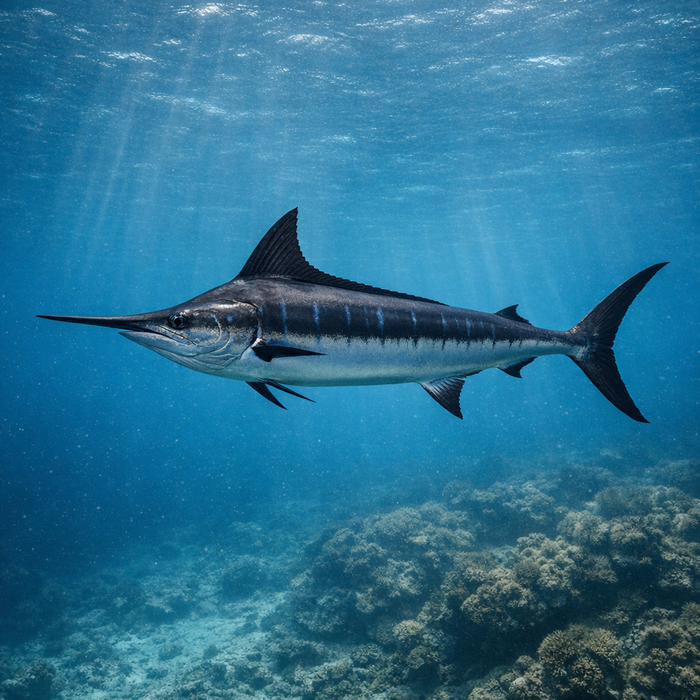
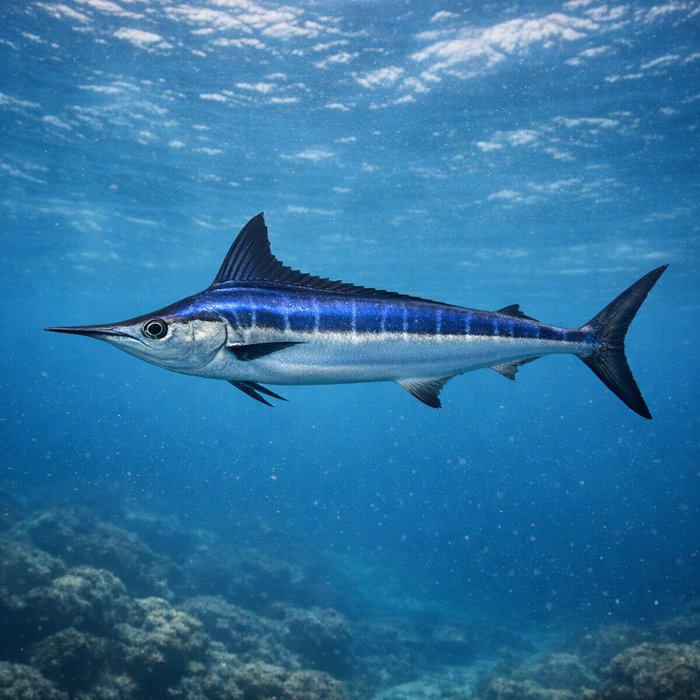
Longbill Spearfish (Tetrapturus pfluegeri): A Bold, Memorable Hook LineIntroductionIf bluewater fishing had a stealth mode, the longbill spearfish would be it. Sleek, fast, and famously under-the-radar, this Atlantic billfish shows up like a phantom, slashes a bait with its needle bill, and vanishes in a blink. Many anglers stack seasons without seeing one, then land two in an afternoon when a temperature break lights up. Consider this your quick course in Longbill spearfish facts, tuned for anglers who care more about wake patterns than Latin declensions.What Makes the Longbill spearfish Unique?First, size. The longbill spearfish is the smallest of the Atlantic billfish, which makes it accessible on lighter tackle yet still spicy enough to cartwheel and dump line. Second, the build. It carries a slim body, long round bill, and a tall first dorsal that often glows with cobalt spots when the fish is charged up. Third, the attitude. It's a hunter that prefers surgical strikes: one slash, one swallow, and it's gone, as if it read the playbook and decided to skip the grandstanding.Habitat & Global RangeLongbill spearfish inhabit the Atlantic's blue deserts, tracking bait along weedlines, rips, and edges where currents collide. If you study Longbill spearfish habitat, you'll see the theme is temperature and structure made of water, not rocks. Think Gulf Stream edges off the Southeast, cobalt lanes around Bermuda, and productive summer pockets near the Azores, Madeira, and the Canaries. They work the upper water column but roam over staggering depths, materializing where flyingfish and small tunas stack. You won't pattern them on reefs or wrecks. You'll pattern them on the shape of the ocean itself: breaks, birds, and bait.Behavior & TemperamentThis fish is built for ambush. The longbill spearfish will track lures, nip at a teaser, then break off and hammer a small bait set well back in the spread. It favors smaller prey than marlin and typically hits clean, then goes aerial with short bursts and fast resets. Singles are common, but small groups cruise productive rips. It's not shy so much as particular; match the hatch and scale down your presentation and you'll see just how decisive a spearfish can be. Miss the window and it evaporates into the blue as if it never happened.Ecological ImportanceAs a mid- to upper-level predator, the longbill spearfish stitches together food webs across thousands of open-water miles. It trims schools of halfbeaks, sardines, and juvenile tunas, and serves as occasional payback for larger sharks. The species rides the same current highways used by countless pelagic travelers, so when spearfish are around, the bluewater neighborhood is usually thriving. Their presence flags healthy bait, good temperatures, and functioning oceanic conveyor belts.Conservation & Environmental PressuresLongbill spearfish rarely headline commercial reports, but they get tangled in the same gears that threaten other billfish: longlines, purse seines, and the grind of bycatch. Identification mix-ups muddy the data picture, and without crisp data, management lags. Climate-change reshuffles of currents and temperature gradients could redraw spearfish hotspots, creating booms in some places and ghost towns in others. Recreational pressure is lower than for marlin, but survival still depends on smart release practices and honest reporting.The FishyAF TakeThe longbill spearfish is the bluewater curveball: smaller, rarer, and way more tactical than its headline cousins. You don't troll for one fish; you troll for the conditions that make this fish appear. When it does, think finesse: smaller heads, clean rigging, and discipline on the throttles. It's a perfect litmus test for any crew's spread management and attention to detail. If marlin are the rock stars, the longbill spearfish is the studio musician who quietly steals the track-and if you're paying attention, your day.