Sailfish (Istiophorus platypterus): The Ocean’s Speed Demon with a Built-In Sail
The sailfish is one of the ocean’s most iconic predators, instantly recognizable by its enormous, sail-like dorsal fin and its sleek, torpedo-shaped body. Known for blistering speeds and a striking appearance, this fish commands attention both in the wild and among anglers. If you want to understand what makes a fish legendary, the sailfish is a perfect case study. This guide dives deep into sailfish facts, their habitat, behavior, and why they matter in the marine ecosystem.
What Makes the Sailfish Unique?
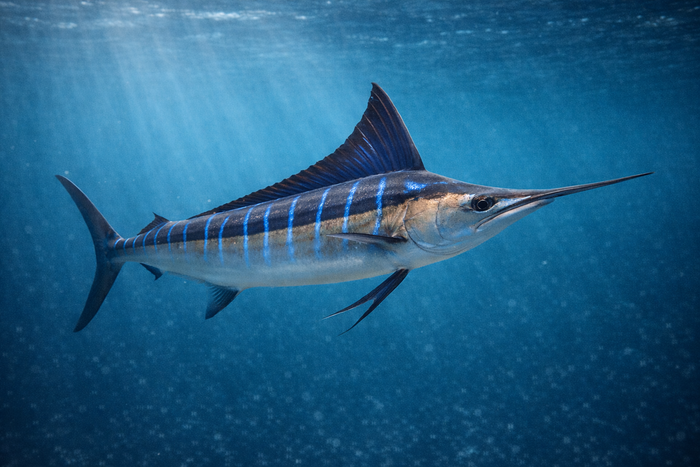
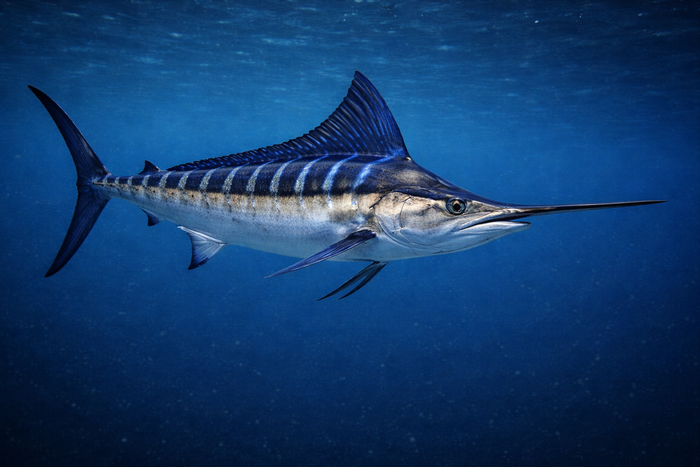
The sailfish’s signature feature is its massive dorsal fin, which can stretch nearly the length of its body. This “sail” isn’t just for show; it can be raised or lowered, helping the fish herd prey or communicate with others. When hunting, the sailfish often raises this fin to corral schools of smaller fish, turning the ocean into its personal buffet line.
Beyond the sail, the sailfish is built for speed. It’s one of the fastest fish in the ocean, capable of bursts up to 68 miles per hour. This speed is no accident. Its streamlined body, long bill, and powerful muscles make it a perfect predator. The bill is used to slash through schools of fish, stunning or injuring prey before circling back to feast.
Its coloration is another standout trait. The sailfish’s body shimmers with iridescent blues and silvers, and it can rapidly change color to communicate or intimidate. This dynamic display adds to its mystique and effectiveness as a hunter.
Habitat & Global Range
Sailfish habitat spans the warm and temperate waters of the Atlantic and Indo-Pacific oceans. They prefer open ocean environments but are often found near coastlines, especially where currents bring nutrient-rich waters that attract baitfish. This includes areas like the Gulf of Mexico, the Caribbean, the Indian Ocean, and parts of the western Pacific.
These fish are highly migratory, following prey and seasonal temperature changes. Their presence in a region can be a good indicator of healthy, productive waters. Sailfish habitat is typically characterized by clear, warm waters where they can use their speed and agility to full advantage.
Behavior & Temperament
Sailfish are solitary hunters but can be seen in small groups when feeding. Their hunting strategy is a blend of speed, precision, and teamwork. They use their sail to herd schools of fish, then slash through with their bills to stun or injure prey. This method is efficient and brutal, showcasing their role as apex predators.
Despite their aggressive hunting style, sailfish are generally not aggressive toward humans. They are known for their spectacular leaps and acrobatics when hooked, making them a prized catch for sport fishermen. However, they are elusive and fast, so landing one requires skill and patience.
Sailfish also display interesting social behaviors, such as coordinated hunting and communication through color changes and fin displays. These behaviors highlight their intelligence and adaptability in the open ocean.
Ecological Importance
Sailfish play a crucial role in marine ecosystems as top predators. By preying on smaller fish and squid, they help maintain the balance of species populations. This predation pressure keeps prey populations healthy and prevents any one species from dominating, which supports overall biodiversity.
Their presence also indicates a robust food web. Healthy sailfish populations suggest abundant prey and well-functioning ocean systems. In this way, sailfish serve as a barometer for ocean health.
Conservation & Environmental Pressures
While sailfish are not currently classified as endangered, they face several environmental pressures. Overfishing, both targeted and as bycatch, threatens local populations. Their popularity in sport fishing can lead to unsustainable practices if not properly managed.
Habitat degradation, including pollution and climate change, also impacts sailfish. Rising ocean temperatures and acidification can alter prey availability and disrupt migratory patterns. These changes may force sailfish to adapt quickly or face population declines.
Conservation efforts focus on sustainable fishing practices, habitat protection, and monitoring populations. Responsible sport fishing, including catch-and-release programs, helps maintain healthy sailfish numbers. Protecting their habitat ensures the survival of this remarkable species and the ecosystems they support.
The FishyAF Take
The sailfish is a masterclass in evolutionary design—speed, style, and strategy all rolled into one. It’s not just a trophy fish for anglers but a vital player in ocean ecosystems. Understanding sailfish facts and their habitat helps us appreciate the delicate balance of marine life and the importance of conservation.
If you want a fish that embodies power and elegance, look no further than the sailfish. It’s a reminder that the ocean’s greatest predators don’t just survive—they dominate with flair. Protecting sailfish means preserving a piece of the ocean’s wild heart, and that’s a fight worth having.