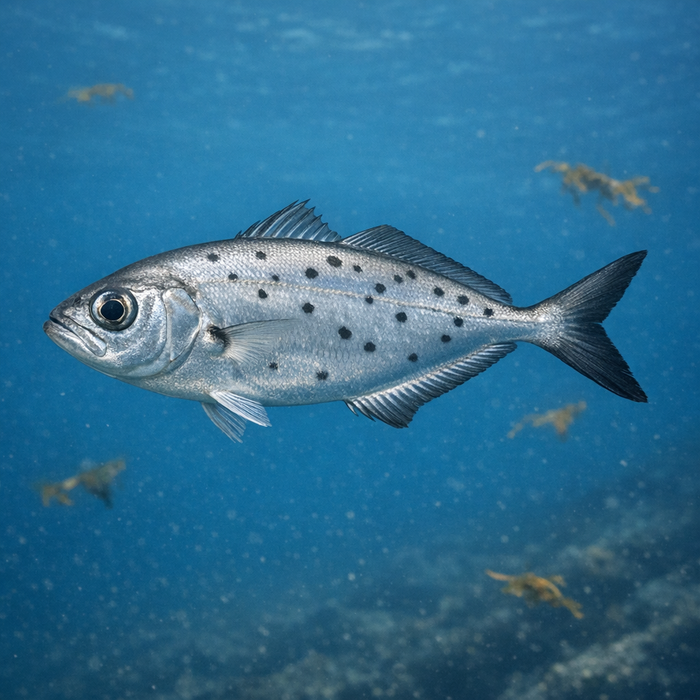
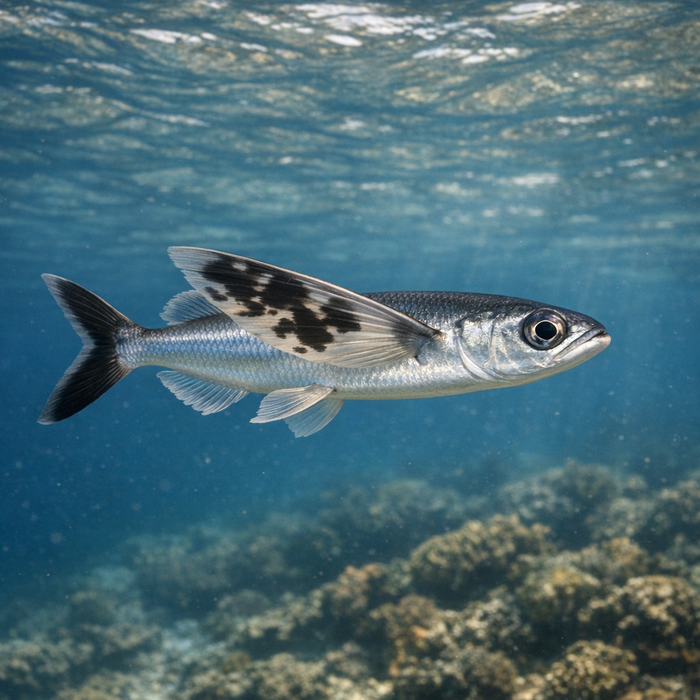
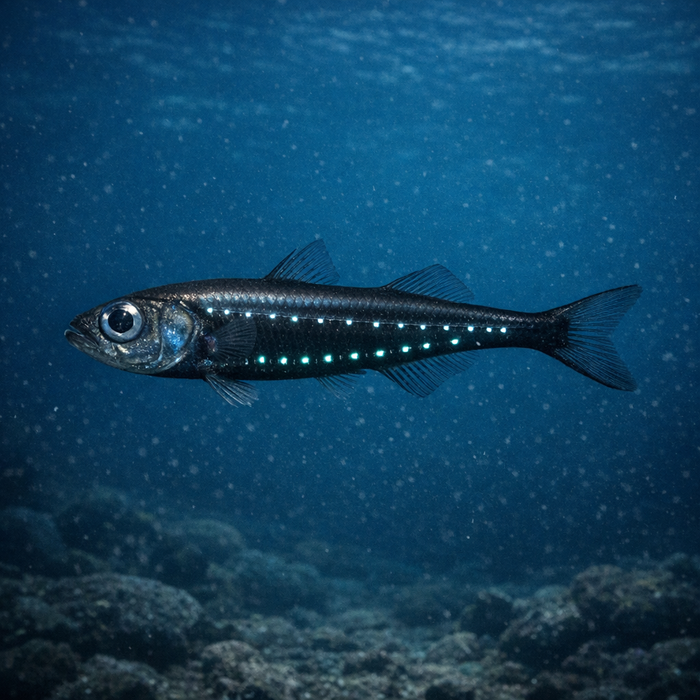
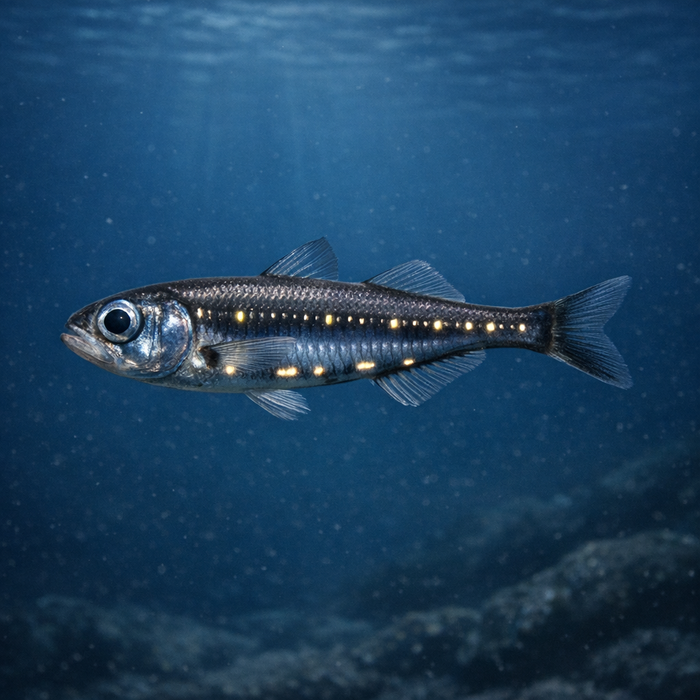
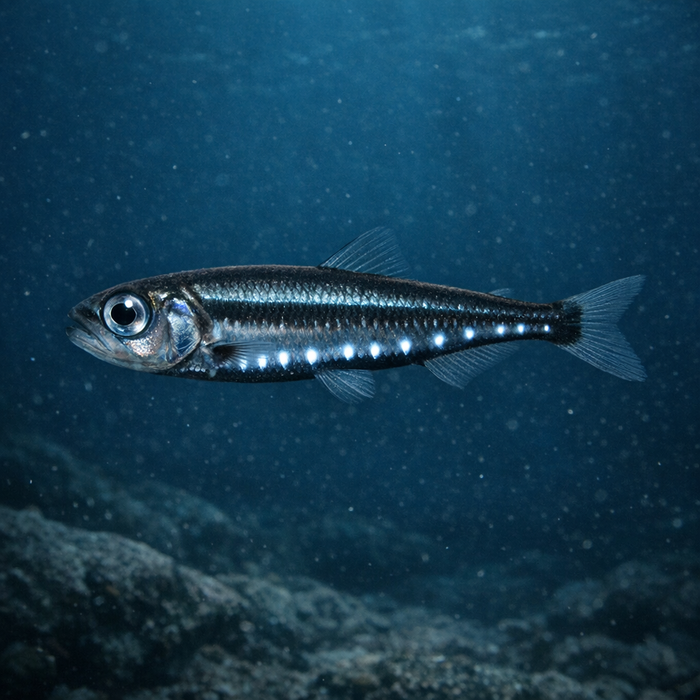
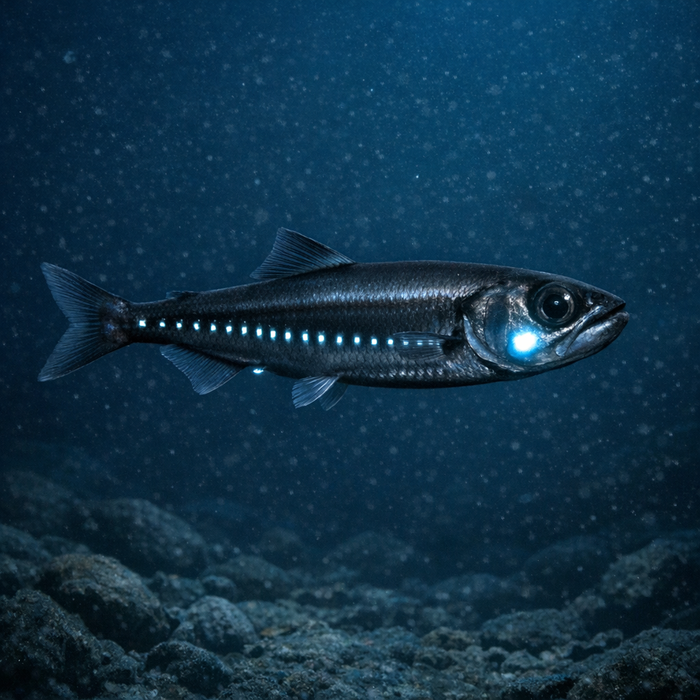
Longfin Cigarfish (Cubiceps paradoxus): A Bluewater Drifter With Ridiculous FinsIntroductionThe longfin cigarfish is the kid hanging out under the bleachers of the open ocean. You don't target it, you just find it where the shade is best and the crowd is weird. Most anglers meet this fish by accident while jigging for tuna or working a glow stick rig on the night shift. Then it hits, flashes chrome under the lights, and you realize you've pulled a pelagic oddball out of the dark. That's the longfin cigarfish experience in a nutshell.What Makes the Longfin cigarfish Unique?Start with the build. It's a true cigar: slim, streamlined, and insanely efficient in midwater. The giveaway is right in the name. Those long pectorals reach way back, acting like stabilizers as the fish hovers beneath flotsam or glides along current edges. Pair that with big, reflective eyes tuned for dim light and you get a fish perfectly adapted to the night shift. The longfin cigarfish isn't about topwater blitzes or reef brawls. It's about the quiet middle of the water column, where shadows matter and small advantages decide who eats.Habitat & Global RangeIf you're looking for longfin cigarfish habitat, think blue-on-blue: offshore, open ocean, and the deep side of life. They haunt current lines, fish-aggregating devices, and anything that casts a shadow in the endless pelagic. Juveniles are classic hitchhikers around Sargassum and other flotsam. Adults roam midwater, often cycling up toward the surface at night and sinking back at daybreak. The range is broadly global in warm-temperate to tropical seas, the sort of places where you aim for tuna and discover other characters along the way. If your spread crosses a seamount or a glowing slick at night, you're in their neighborhood.Behavior & TemperamentLongfin cigarfish are not smash-and-grab predators. They're cruisers and nippers, opportunists tuned to rhythm more than chaos. At night, they use low light and structure shadows to ambush smaller prey. Around artificial lights, they'll sidle in carefully and then commit, especially to small jigs and bait chunks that flutter like they're lost. They school up loosely near cover, but they're not welded to structure the way reef fish are. The fight is tidy rather than savage; think determined midwater tugging, not blistering runs. This is a fish that conserves energy across miles, then spends just enough of it to stay fed and unseen.Ecological ImportanceThe longfin cigarfish helps stitch the pelagic web together. It links drifting surface communities like Sargassum mats to the dimmer, deeper layers where light fades and life thins. It moves nutrients vertically through nightly migrations, bouncing energy from plankton-rich shallows down to the open-ocean midwater and back again. That role adds up. Pelagic drifters like this fuel the predators everyone cares about, which is why an angler chasing tuna still benefits from understanding the longfin cigarfish facts. It's one of the gears that makes the offshore machine turn.Conservation & Environmental PressuresYou won't see the longfin cigarfish headlining stock assessments, but it still rides the same waves of change as everything else offshore. Floating habitat matters to this species, so shifts in Sargassum dynamics, debris loads, or FAD policies ripple through their daily reality. Night fishing pressure grows every year too, and extra light alters how midwater life aggregates. While formal conservation status is often not evaluated for obscure pelagics, the usual suspects apply: plastic in the guts of drifters, bycatch in various gears, and the creep of warming currents redrawing maps at depth.The FishyAF TakeMost days, the longfin cigarfish is a bluewater cameo. But it's a useful cameo. It tells you your boat is sitting on the right kind of life: current edges, flotsam, the night bite heating up. Catch one and you're probably one decision away from something bigger. From a purely angling perspective, it's midwater proof that you set the table correctly. From a nerdy perspective, it's a slick, specialized drifter that survives by mastering a world without walls. Either way, respect the longfin cigarfish. It's the quiet signal that offshore conditions are about to get interesting.