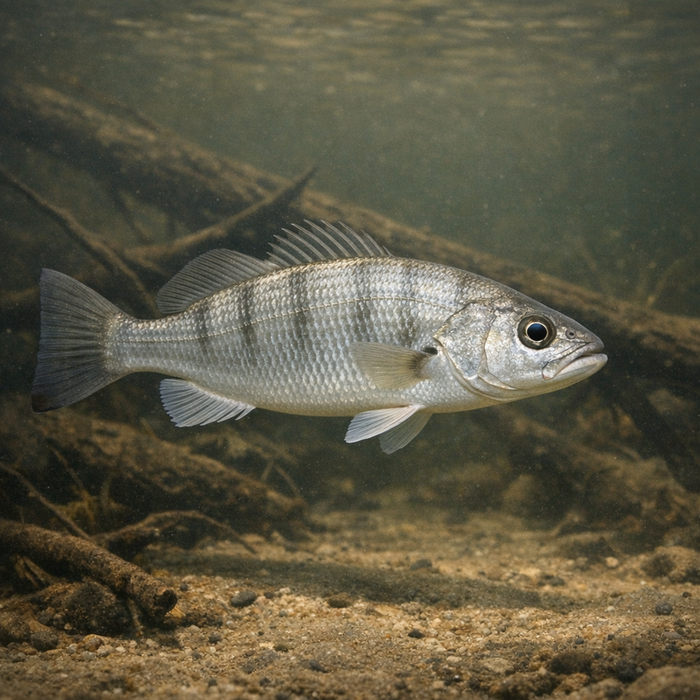
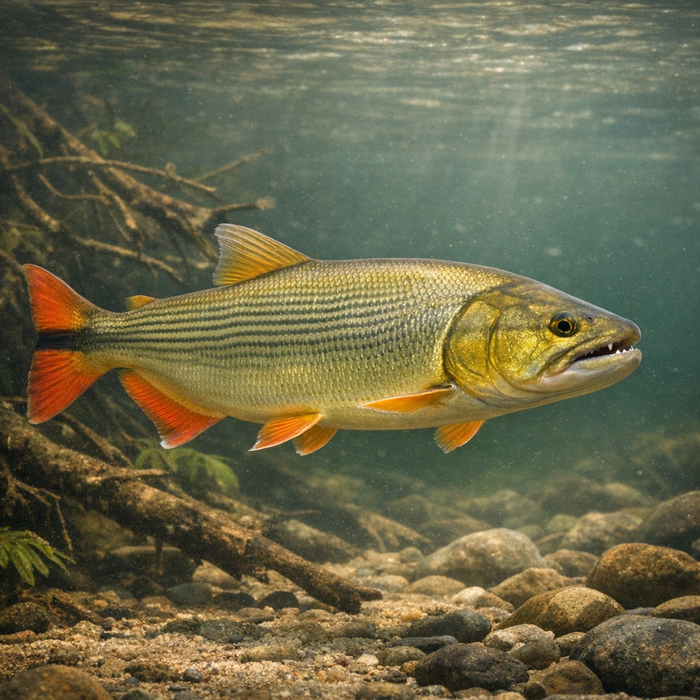
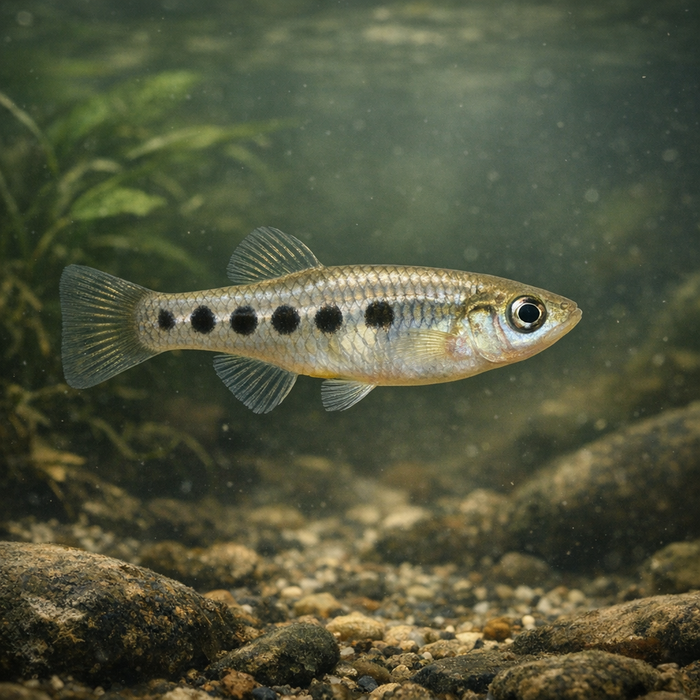
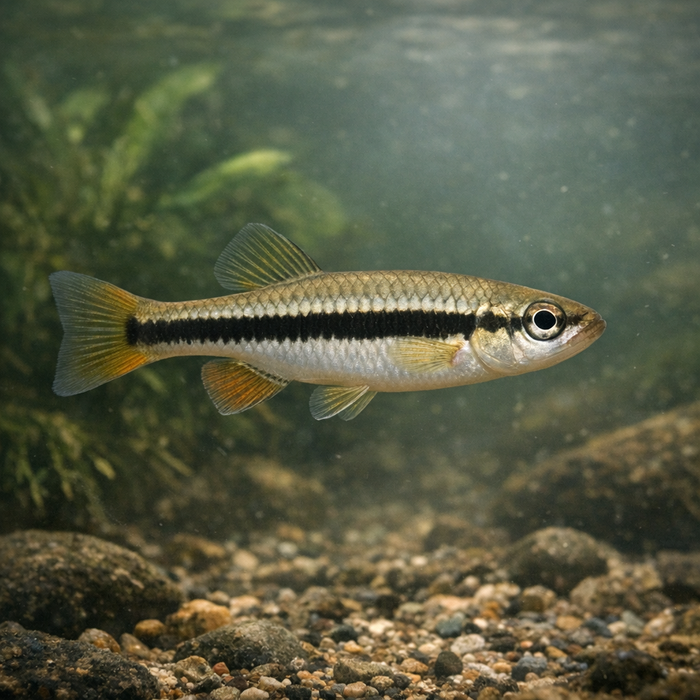
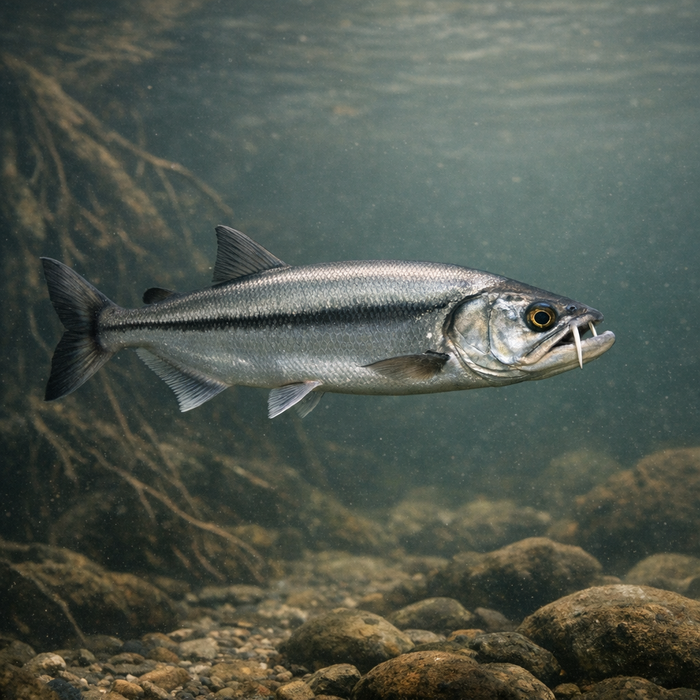
Machaca (brycon guatemalensis): Surface-Smashing Fruit Eater With Serious AttitudeIntroductionThe machaca is a tropical river missile with a sweet tooth and a bad temper. When fruit hits the surface, it doesn't nibble, it detonates. Think topwater bass chaos, but in rainforest current and with teeth made for gardening. If you like visual eats and high-speed runs, the machaca keeps you grinning and humbled, often in the same cast.What Makes the Machaca Unique?Two things: diet and delivery. First, machaca love fruit, leaves, and seeds, a rare focus for a hard-charging gamefish. Second, they take that plant obsession and weaponize it, smashing surface offerings with piranha-adjacent precision. Those flat, incisor-like teeth shear skins and shred pulp, while their torpedo frame punches through fast water. Hook one and you'll see why locals guard their overhanging fig trees like secret reefs. It's chaos fishing with a biology twist, and it turns simple fruit falls into feeding frenzies. Call it the best of Machaca facts rolled into one: plant eater, surface killer, river sprinter.Habitat & Global RangeThe machaca's playground is Central America's river networks. Picture jungle rivers with tea-stained flows, ledges, boulders, and banks draped in fruiting trees. Pools, runs, and the heads and tails of riffles all hold fish, but the money lanes are current seams beneath overhanging branches. They also use back-eddies where fruit collects, and they'll push into flooded margins during wet seasons to vacuum snacks along the brush line. The Machaca habitat story is simple: current edges plus groceries raining from above.Behavior & TemperamentThey roam in loose groups, sliding up and down structure with the flows. The bite often runs on two clocks: dawn and dusk light windows, and the unpredictable metronome of falling fruit. You'll hear them before you see them: that coconut-on-water thud, then the whitewater flare of tails. In clear water they spook, but when the buffet kicks off they turn switchblade bold. Hooked machaca fight like they're late for something important, using current, wood, and random aerobatics to shake you off.Ecological ImportanceMachaca aren't just fun; they're seed delivery specialists. By eating fruit and passing intact seeds downstream, they connect river corridors with floodplains and regenerate jungle edges after storms. Lots of flashy gamefish move energy up the food chain. Machaca move forests. That is a different kind of trophy.Conservation & Environmental PressuresBecause they aren't international headliners, machaca fly under the radar. That's a blessing and a risk. Hydropower dams alter flows and block upstream movement. Bank clearing removes shade and the very fruit supply that fuels them. Local harvest pressure varies. Water quality matters too; these fish live in flow and need clean lanes to travel. While their official status isn't front-page news, keeping forested riparian corridors intact and maintaining natural flow pulses is the real backbone of future fishing.The FishyAF TakeMachaca prove you don't need salt flats or chrome bullets to get elite topwater thrills. It's jungle fishing with a soundtrack, a plunk-to-boil adrenaline jolt. They'll reward perfect drifts and punish sloppy ones. Light gear, loud eats, fast current, and the occasional airborne tantrum-what's not to love? If your bucket list needs a wild-card entry, make room. The machaca is the fruit-smashing hooligan you didn't know you needed, and it might be the most fun five-to-ten pounds you'll meet in a river.