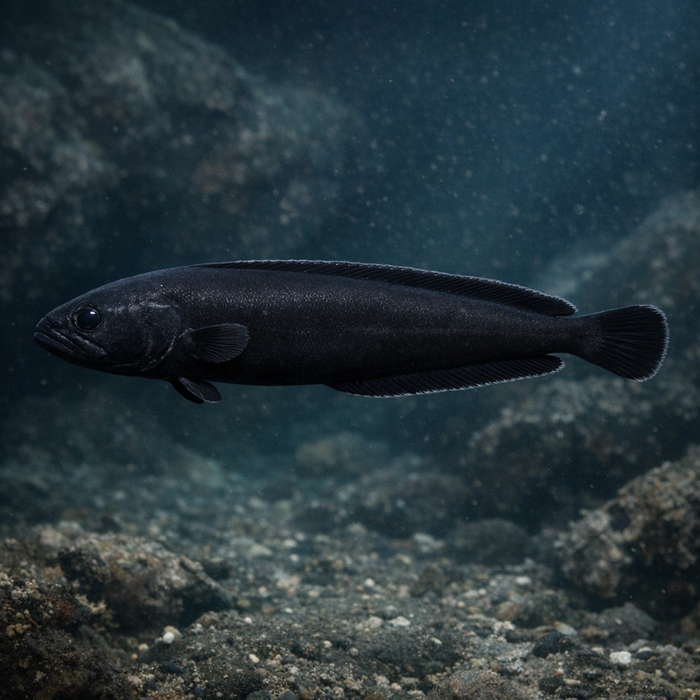
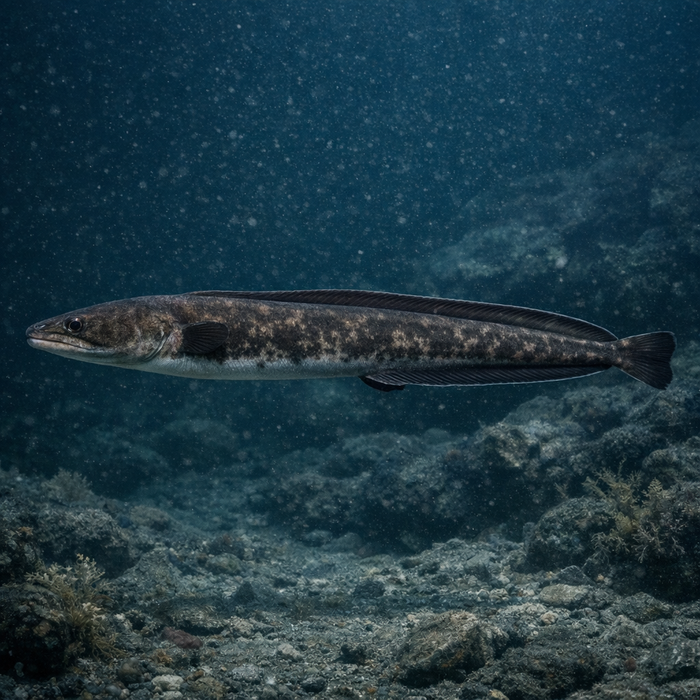
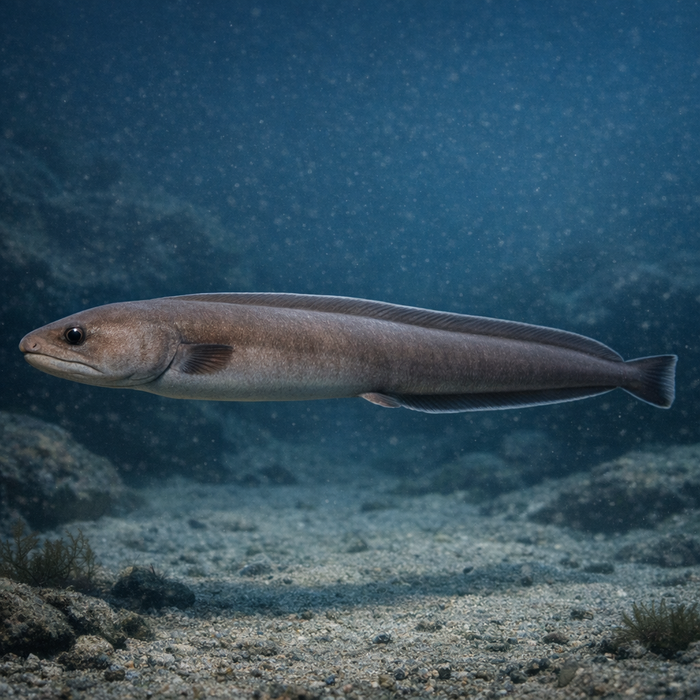
Monkeyface Prickleback (Cebidichthys violaceus): The West Coast tidepool bruiser with a vegetarian streakIntroductionIf you've ever peered into a wave-washed crack and seen a frowning, browed face staring back, congrats, you just met a monkeyface prickleback. This eel-shaped shore lurker rules rugged intertidal real estate from Alaska to Baja. It's not flashy. It's not fast. But it is stubborn, surprisingly clever, and way more delicious than its mug suggests. Among West Coast rock wranglers, the monkeyface prickleback is a cult favorite, and for good reason.What Makes the Monkeyface prickleback Unique?Start with the diet. While most shore fish are ambush carnivores, the monkeyface prickleback is mostly herbivorous, scraping algae off rocks with molar-like teeth. That vegetarian habit is a curveball for anglers and a reason the bite often turns on with shellfish-based baits. Then there's the body plan: long, eel-like, finned almost the entire length, and built to wedge into crevices that would swallow a jig whole. Add in a talent for surviving out of water for hours if kept moist, and you've got a tidepool tank that breaks a lot of "fish" rules.Habitat & Global RangeThe monkeyface prickleback thrives in chaotic, wave-pounded environments most fish avoid. Think rocky intertidal zones, surge channels, tidepools, and the first bit of shallow subtidal reef down to a few fathoms. You won't spot big schools cruising the sand; you'll find solitary fish holed up in caves, under ledges, and in the darkest chutes where foam and kelp threads jam together. Its range stretches along the northeastern Pacific rim, with strong representation on the U.S. West Coast. If you're searching for "Monkeyface prickleback habitat," picture barnacle-crusted rock, mussel beds, kelp holdfasts, and surging water that demands balance and grit.Behavior & TemperamentThink bouncer, not sprinter. Monkeyface pricklebacks defend small home ranges and don't wander far. They hold tight to structure, feed methodically, and use the surge to their advantage, slipping deeper into a crack the second something feels off. Spawning happens in protected nooks with adhesive eggs and parental guarding, which helps explain why you'll spook one fish from a pocket and find another there weeks later. Hooked fish bulldog rather than run, using the rock to rub you off. Precision matters: put bait right in the doorway and be ready to turn their head fast.Ecological ImportanceAs a dominant grazer in the intertidal, the monkeyface prickleback helps shape algal communities that shelter crabs, snails, and juvenile fishes. That vegetarian engine transfers surf energy into biomass the rest of the food web can use. It's also prey for nearshore predators, linking tidepools to the broader coastal system. If you're digging for Monkeyface prickleback facts, note this: by mowing rock greens, this fish clears space and maintains diversity in one of the harshest habitats on earth.Conservation & Environmental PressuresOverall, the species appears stable across much of its range, but intertidal habitats face death by a thousand cuts: trampling in popular tidepool zones, polluted runoff after storms, warming waters altering algal assemblages, and patchy closures that confuse would-be ethical harvesters. Localized over-harvest can happen where poke-poling got trendy. Sensible limits, respect for marine protected areas, and a little self-restraint go a long way. Handle with wet hands, mind the swell, and never ignore posted closures.The FishyAF TakeThe monkeyface prickleback is the shore rat's secret trophy. It doesn't make blistering runs and it sure won't jump, but it will make you work for every bite. Success comes down to reading rock, timing tides, and putting a bait exactly where a face peers back from the dark. If your idea of fun is a comfy pier and a chair, skip it. If you like crawling over barnacled ledges, building a Franken-poke pole, and prying bulldogs from black water, welcome to the club. This fish is weird, tough, and totally worth the effort.