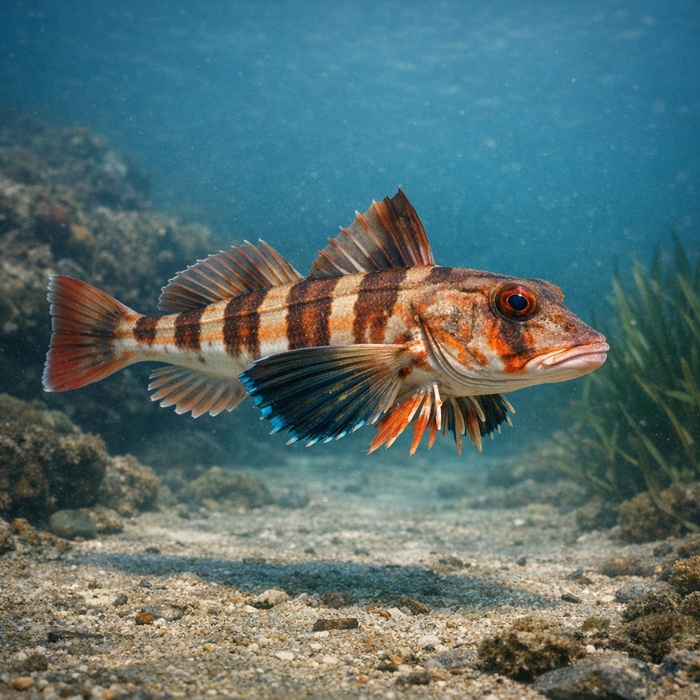
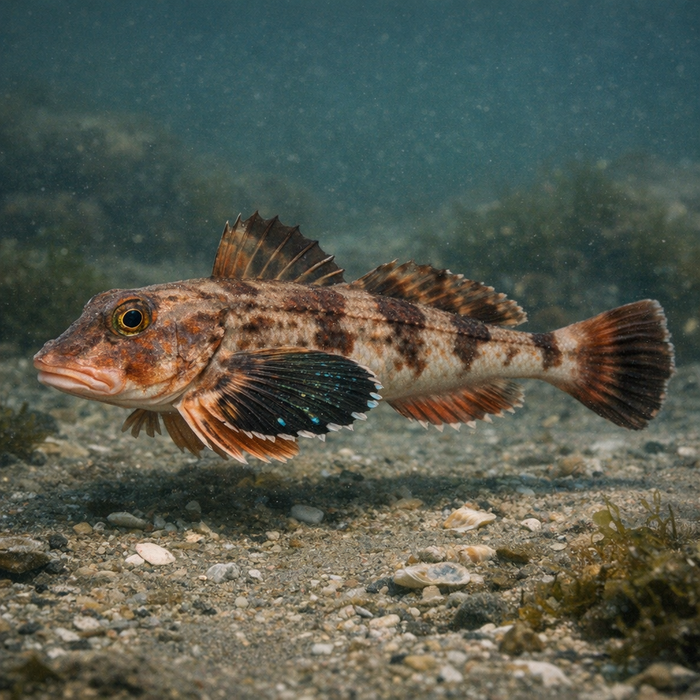
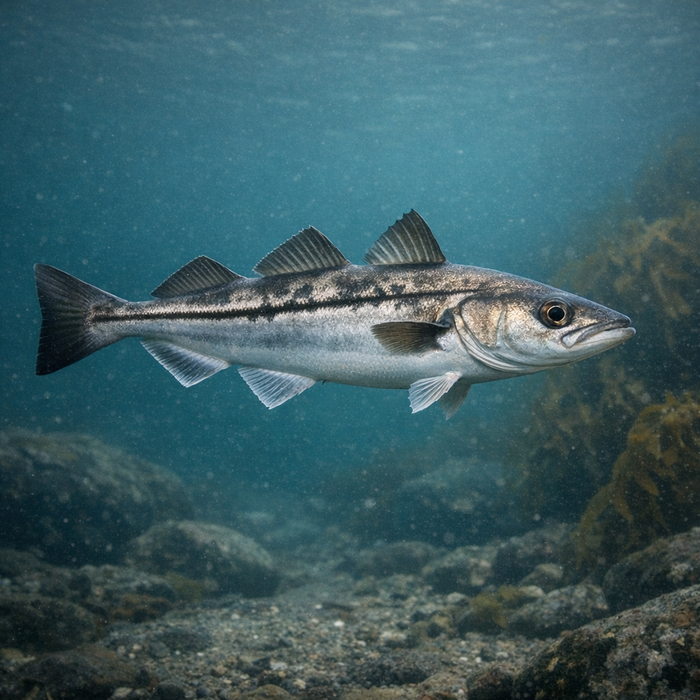
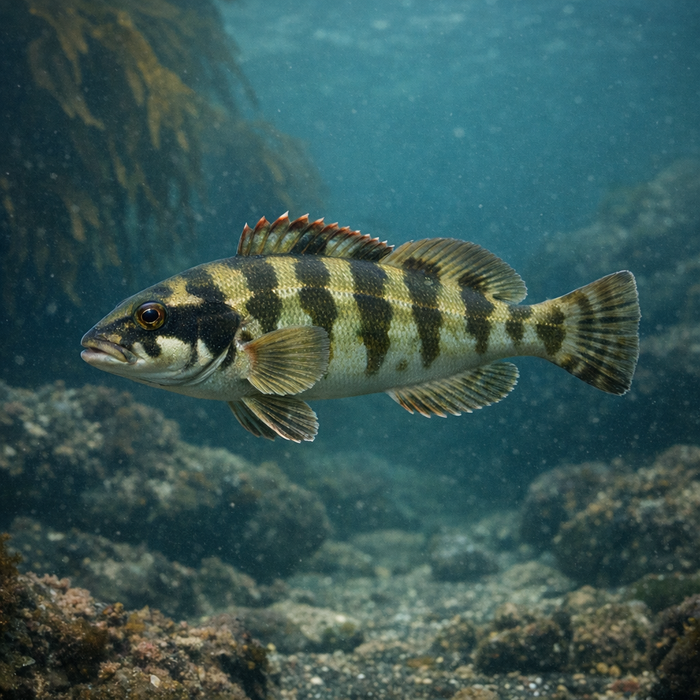
Naked-belly Searobin (Bellator gymnostethus): A Bold, Memorable Hook LineIntroductionMeet the little drummer of the sand flats. The naked-belly searobin is small, armored, and weirdly charming, a fish that strolls the bottom on finger-like rays and rattles your rig with gravelly grunts. You won't chase it for glory shots, but if you fish coastal shallows in the Southeast, Gulf, or Caribbean, chances are you've met this quirky bycatch. Consider this your pocket guide to naked-belly searobin facts with enough detail to help you ID, appreciate, and, if you're into it, dial in.What Makes the Naked-belly searobin Unique?Start with the belly. Unlike its relatives, the naked-belly searobin sports a largely scaleless underside, the trait that hands it the name. Its pectoral fins are a party trick, too: the lower three rays are detached and operate like little hands, tapping, walking, and prodding through sand for snacks. Then there's the sound. This fish can drum by vibrating muscles against its swim bladder. It's not loud topside, but on the deck you'll hear that croak as if it's complaining about the hook.Habitat & Global RangeIf you're searching "Naked-belly searobin habitat," think shallow, sandy, and slightly overlooked. This demersal specialist favors coastal shallows, channels, and the sandy fringes of patch reefs, often in bays and sounds with a touch of tide. You'll encounter it across the western Atlantic, including the U.S. Southeast, the Gulf of Mexico, the Caribbean, and into parts of northern South America. Depth-wise, it's a bottom hugger, usually in nearshore water shallow enough to reach from piers or small boats. It navigates sand, shell hash, and rubble edges where current funnels food and structure adds just enough cover to matter.Behavior & TemperamentThe naked-belly searobin doesn't sprint. It sneaks. Those walking rays feel the bottom like antennae, lifting sand puffs that expose shrimp, worms, and tiny fish. When startled, it may flare its broad pectorals, looking bigger than it is. It's not particularly wary, but it is deliberate, picking at offerings and telegraphing soft taps more than savage hits. Expect a quick shiver of fight and a lot of attitude for a fish that rarely breaks 10 inches. If you're fishing bait on bottom and feel a chatter instead of a thump, a searobin is a solid suspect.Ecological ImportanceSmall doesn't mean trivial. The naked-belly searobin is a tireless benthic forager, converting invertebrates into calories that fuel the food web. Juvenile snappers, groupers, seatrout, and nearshore predators see it as bite-sized protein. Meanwhile, its probing lifestyle helps churn and aerate the top layer of sediment. In short, it's one of those unheralded cogs that keeps the nearshore machine humming.Conservation & Environmental PressuresNo one's running tournaments for the naked-belly searobin, and that anonymity helps. It's not a targeted fishery, and it tolerates a range of sandy habitats. Still, it's not bulletproof. Coastal dredging, nutrient-fueled hypoxia, chronic turbidity, and estuary hardening all squeeze the shallow zones it prefers. Bycatch in shrimp trawls can also chip away locally. Climate shifts may push distributions or alter spawning windows, but long-term data trails are thin. For now, the species isn't flagging red, but the same coastal stewardship that benefits seatrout and redfish benefits this oddball too.The FishyAF TakeNobody launches at 5 a.m. to hunt naked-belly searobin, yet it keeps showing up anyway, walking across your sinker like it owns the place. And that's the point. This fish is a reminder that edges matter: sand meeting structure, current meeting calm, patience meeting curiosity. The naked-belly searobin is tough, tiny, and unapologetically strange, with a belly that forgot its scales and a drumbeat that says it's doing just fine. Next time one grunts on your line, take a second look. It's not just another bottom critter; it's a front-row seat to how coastal ecosystems actually work. Weird fish, strong vibes, lesson delivered.