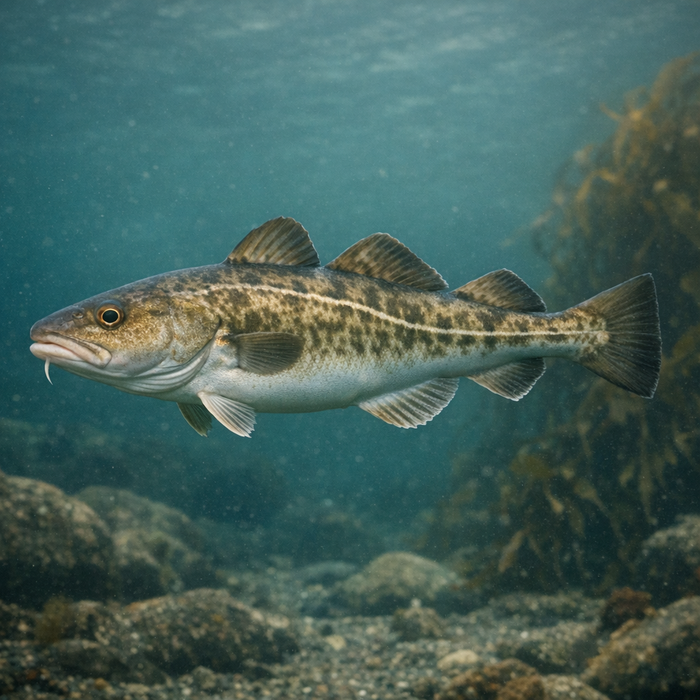
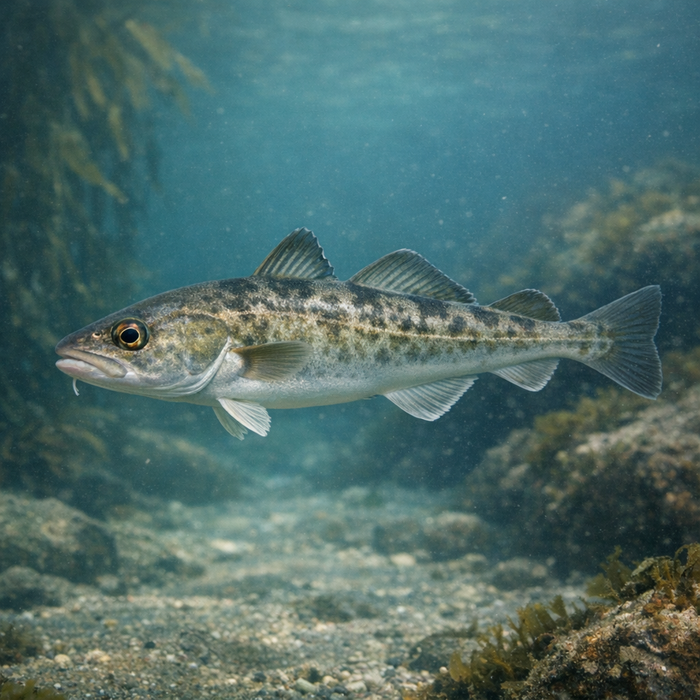
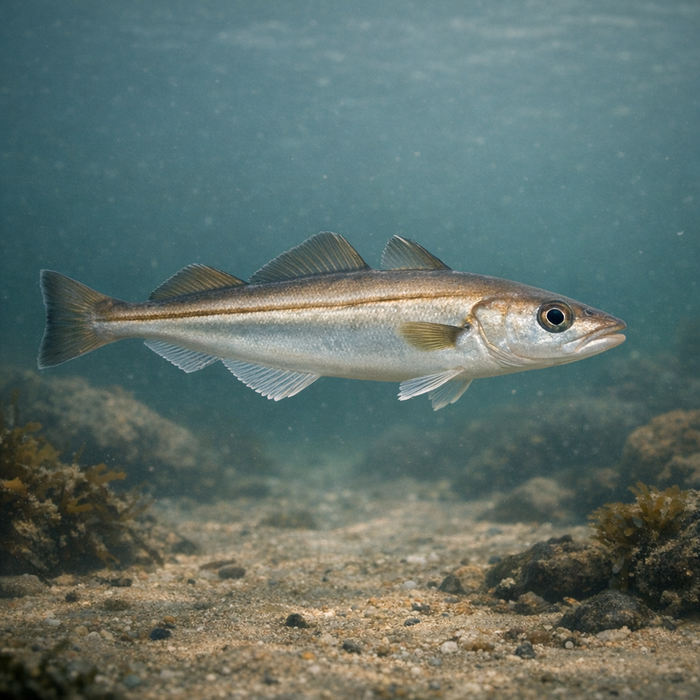
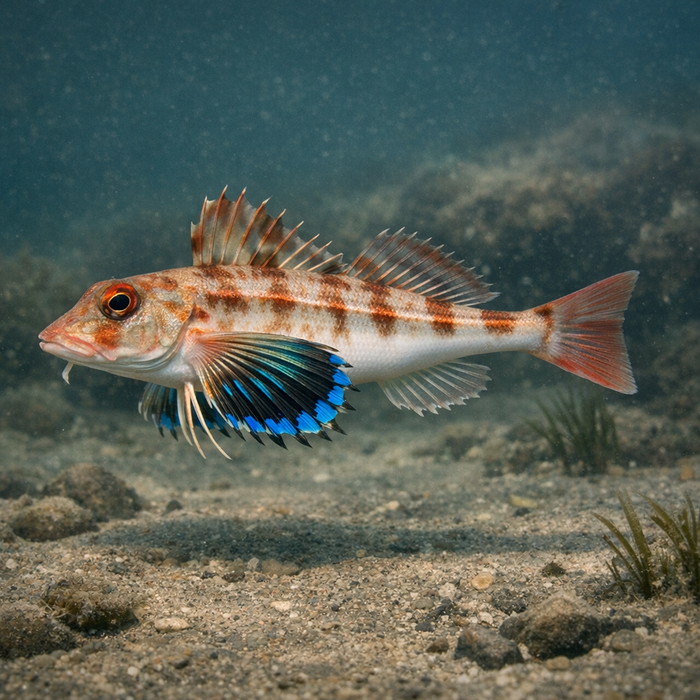
Alaska pollock (Gadus chalcogrammus): The humble snow-country cod that quietly feeds the world and smashes sonar screens.IntroductionIf you've eaten a fish sandwich, fish stick, or "crab" roll lately, odds are you've met Alaska pollock. This is the North Pacific workhorse: abundant, fast-growing, and ridiculously schooling. For anglers, it's not a glamour shot like halibut or kings, but when the screen lights up and jigs start thumping, the action is nonstop. You want Alaska pollock facts and honest angling intel? Pull up a bucket.What Makes the Alaska pollock Unique?First, biomass. Alaska pollock form one of the largest fish populations on the planet, driving the world's biggest single-species fishery by volume. Second, lifestyle. They're semi-pelagic cods that live midwater over the continental shelf, hoovering krill and small fish with ruthless efficiency. Third, they're culinary chameleons. Mild, flaky flesh turns into everything from weeknight tacos to pristine surimi, and it freezes like a champ without turning mushy.Habitat & Global RangeAlaska pollock habitat is textbook cold-water shelf country. Think broad, relatively shallow banks from the Gulf of Alaska across the Bering Sea and down the Aleutian chain, plus hefty populations off Russia, the Sea of Okhotsk, and around Hokkaido. They stack in frigid, often green water, typically 150 to 600 feet, riding edges, troughs, and current seams. They're roamers more than rock huggers; instead of parking on structure, they follow food into dense midwater layers that make fish finders look like static.Behavior & TemperamentSchooling is the whole game. Alaska pollock roll in mega-pods that balloon and contract by the minute. They're not especially spooky, and they don't bulldog like a lingcod, but they're eager hitters. Get over a school and drop metal, and they'll tell you fast if they're on the chew. Feeding windows track light and current. Dawn and dusk kick off good pushes, and any tide or wind that clusters plankton can crank them up. When the bait moves, so do the pollock, sliding vertically with krill layers at night and flattening back down by day.Ecological ImportanceThis species sits squarely in the middle of the food web. Juveniles vacuum zooplankton; adults add fish to the menu. In turn, everything bigger and toothier leans on them: Pacific cod, halibut, salmon, and marine mammals. Take a bite out of pollock, and you feel it up and down the chain. It's not just an economic pillar; it's ecosystem scaffolding.Conservation & Environmental PressuresThe good news: Alaska pollock sits at Least Concern and is managed with intense data, including annual acoustic surveys and strict quotas. Bycatch rules, closed areas, and careful monitoring keep the industrial fishery from blowing out the stock. The pressure points are climate and prey dynamics. Shifts in ocean temperature and plankton communities can shuffle spawning success and distribution. A warm year can move the fish, thin krill layers, or spread schools wider than usual. Managers are watching, and so should anglers who plan trips around predictable pulses.The FishyAF TakeAlaska pollock won't win you the dockside fistfight for bragging rights, and that's fine. It's a volume fish with a blue-collar heart: find the school, drop the metal, fill the cooler. If you want fireworks, chase kings. If you want easy eating, a forgiving bite, and a masterclass on reading bait and electronics, this is your fish. The best Alaska pollock facts are simple: they're everywhere across the shelf, they're usually hungry, and they turn into shockingly good tacos. Respect the biomass, fish responsibly, and enjoy the lights-out jig bite when the screen goes Christmas tree.