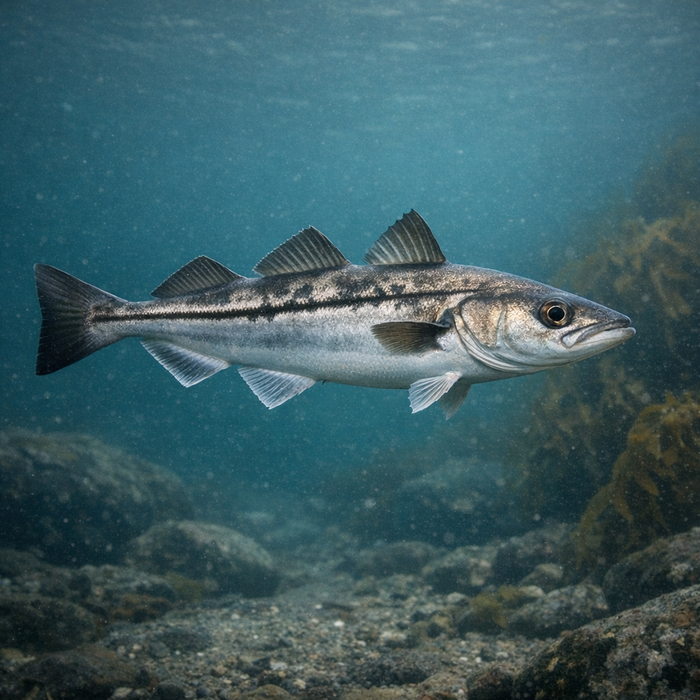
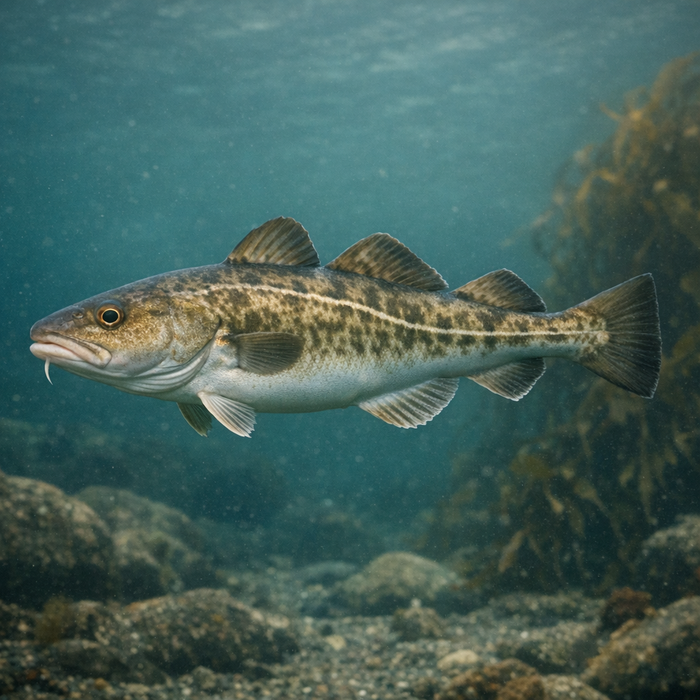
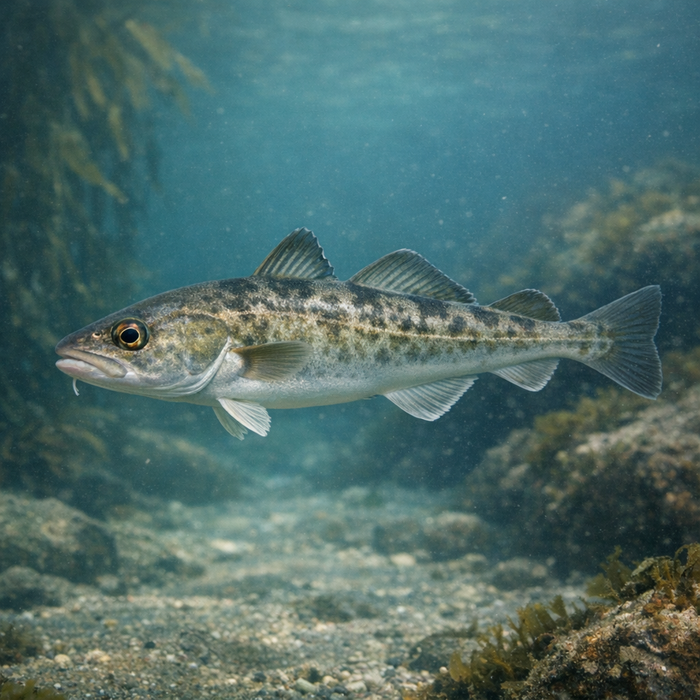
Whiting (Merlangius merlangus): A Bold, Memorable Hook LineIntroductionThe whiting is the unsung winter workhorse of European beaches and estuaries. It's common, it's cooperative, and it keeps rods nodding when everything else decides to ghost you. For anglers who appreciate steady action and clean, tasty fillets, the whiting punches way above its weight. Forget celebrity species; this one is about practical fun and real-world results. If you want fast, honest fishing with a light-tackle buzz, start here.What Makes the Whiting Unique?First, that mouth. Whiting carry a noticeable upper-jaw canine that pins sandeels, sprats, and stray worm chunks with rude efficiency. Second, they're cod-family through and through, sporting three dorsal fins and two anal fins, but unlike cod they usually skip the chin barbel, a quick field clue in dim headlamp light. Finally, they're shape-shifters in the water column. One minute they're hoovering lugworms on sand waves; the next, they're raiding midwater baitballs. Versatile predators, small package.Habitat & Global RangeIf you're looking up Whiting habitat, think temperate Northeast Atlantic. They rule sandy and gravelly bottoms from the Barents and Norwegian Seas down past the British Isles and into the Bay of Biscay, with strong showings in the North Sea, Irish Sea, English Channel, and parts of the western Baltic. They extend into the Mediterranean too. Tidal beaches, estuary mouths, harbor scours, and gentle offshore banks are prime real estate. Depth-wise, 10 to 150 meters covers most of it, with inshore pushes peaking in colder months. That means beach rods, pier rails, and small boats all get a piece of the action.Behavior & TemperamentWhiting are pack hunters. Where you find one, you'll likely find a bunch, especially in winter. They're not picky, either. Fresh lugworm, rag, mackerel strip, tiny squid-bring something that smells right and they'll taste-test it. Bites often start as tap-tap rattles before loading the rod as the school fires up. They're not brawlers like bass, but they sprint in short bursts and double-headers are common when you run small hooks. They adjust quickly to current and light, roaming more at night or on building tides, and will slide up and down the beach face as troughs shift.Ecological ImportanceSmall predators with big appetites, whiting tie sandy-bottom ecosystems together. They convert shrimp, crabs, worms, and juvenile fish into calories for seals, larger cod, and seabirds. Their willingness to school tightly and feed across bottom and midwater layers also makes them a key transfer point for energy. For anglers, that means quick feedback. If the whiting are on, you're fishing in a live system with bait moving and tides behaving. If they vanish, something in the neighborhood changed.Conservation & Environmental PressuresAs a species, whiting sit in decent shape overall, but regional stocks have bounced through pressure cycles. Trawling effort, bycatch dynamics, and variable recruitment can all swing numbers locally. Coastal water quality matters too. Estuaries feed juvenile growth, and when sediment loads, pollutants, or oxygen dips hammer those nursery zones, your shore action takes a hit. Fisheries managers in European waters track them closely under broader cod-family management plans. For everyday anglers, the best move is simple: keep only what you'll eat fresh, respect size rules, and treat the resource like you want it around all winter.The FishyAF TakeWhiting are the ultimate reality check for cold-season fishing. They're not glamorous, but they are honest. You show up with small hooks, tidy rigs, and fresh bait, and they'll usually show you a good time. Want "Whiting facts" that matter? Here's one: they're the perfect training ground for reading surf structure and tide rhythm. Another: they taste excellent if you handle them right and cook them the day you catch them. The whiting won't make your social feed explode, but when it's dark, windy, and the pier is slick with spray, they keep the lights on. That's a fish worth knowing.