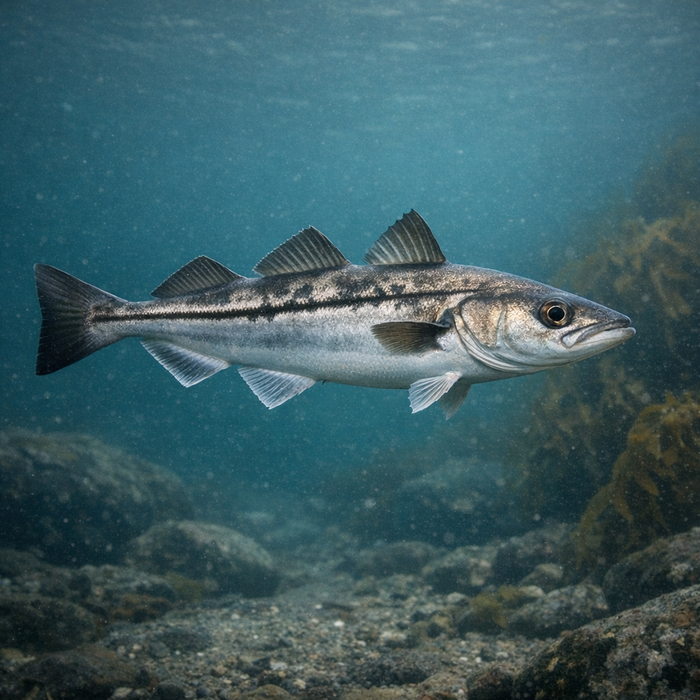
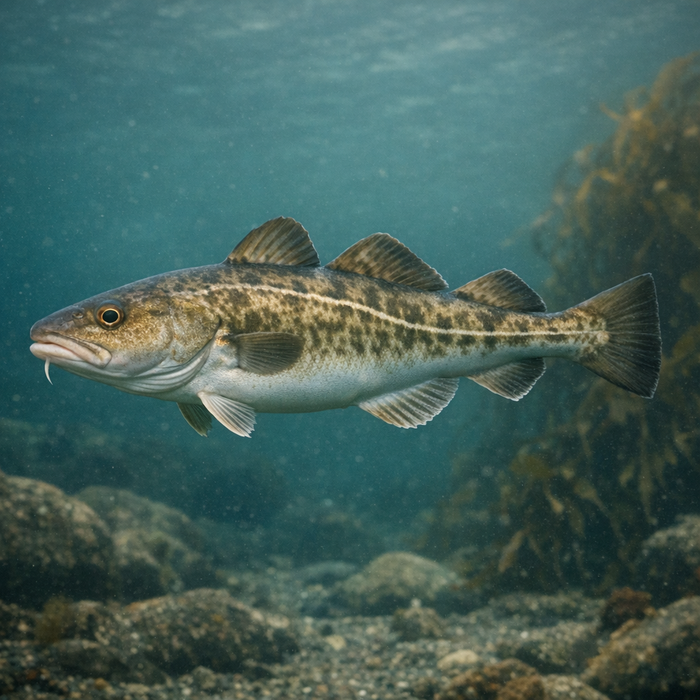
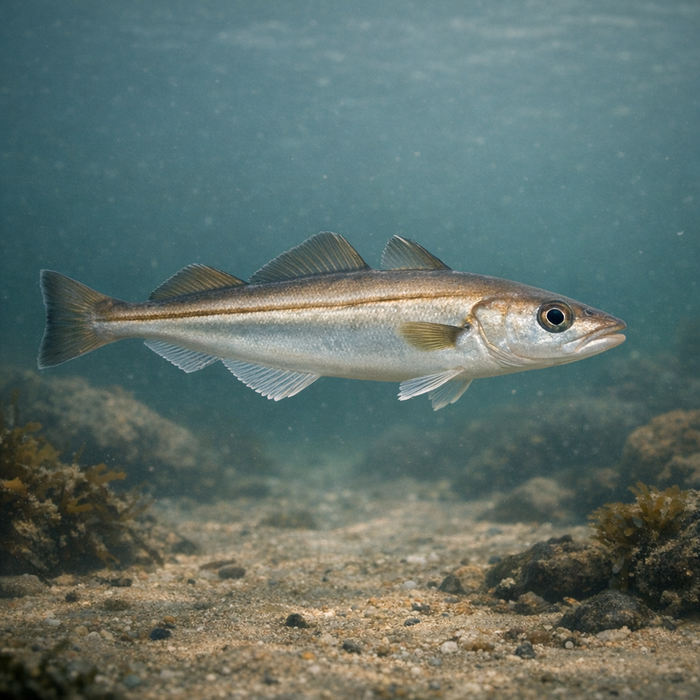
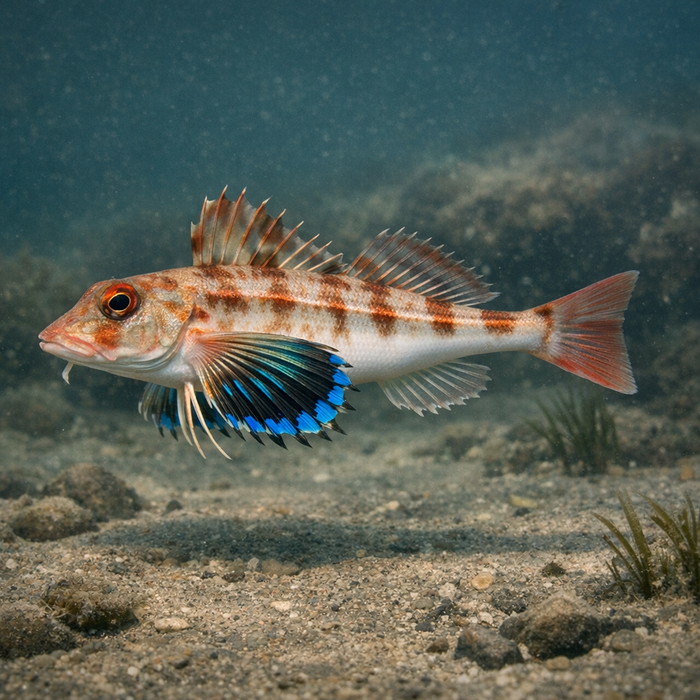
Pacific tomcod (Microgadus proximus): Punchy beach-run cod with a pier-rat attitude.IntroductionIf you've ever soaked a bait off a West Coast pier in winter and felt that machine-gun rattle, you've met the Pacific tomcod. It's the scrappy, sand-loving cousin of bigger cod, the kind that crowds your cooler fast if you let it. For anglers who like action over ego, the Pacific tomcod delivers quick hits, honest fun, and a surprisingly cool backstory. Consider this your deep dive into Pacific tomcod facts and the real-world Pacific tomcod habitat that puts numbers on your line.What Makes the Pacific tomcod Unique?First, it's a true cod in a snack-sized package. Three dorsal fins, two anal fins, and a chin barbel shout family pride, yet the fish maxes out in the teens for inches. Second, these fish love the beach party. Winter spawners, they roll into surf zones and protected bays when most fair-weather anglers have packed it in. Third, they are outrageously willing. Drop small baits into the wash or along pier pilings and a Pacific tomcod will likely be first responder.Habitat & Global RangeThe Pacific tomcod haunts the nearshore Pacific from California into Alaska, favoring sandy and muddy bottoms, estuary channels, and windward surf lines. They push shallow during the cool months, often within easy casting distance from shore. As water warms, schools slide a bit deeper to comfort zones just off the breakers or down estuary troughs. Think troughs between sandbars, channel edges, eelgrass patches, and pier shadows. That's the Pacific tomcod habitat playbook in a nutshell: soft-bottom structure, tidal current, and accessible depths.Behavior & TemperamentPacific tomcod are schoolers with an appetite. They ride tides, root along bottom for worms, clams, and sand crabs, and hammer anything bite-sized. The bite is classic cod: tap-tap-tap, load-up, then a tumble in the wash. They're not brawlers, but doubles and triples on hi-lo rigs are common when the school is lit. Winter storms often turbocharge feeding by churning prey from the substrate. Expect best action on moving water and edges where the surf's energy meets calmer pockets.Ecological ImportanceSmall doesn't mean small-time. The Pacific tomcod is a link species: it converts invertebrates into fish protein and, in turn, feeds larger predators like lingcod, halibut, seabirds, and marine mammals. Their fast maturation and short lifespan help stabilize food webs in a boom-and-bust coastal environment. They also serve as handy climate barometers for researchers; year-class strength and distribution often echo shifts in upwelling and nearshore productivity.Conservation & Environmental PressuresOverall, Pacific tomcod are doing fine. They're listed as Least Concern and rarely targeted by heavy commercial fleets because of their size. Still, they live where people live. Stormwater runoff, urban bay contaminants, and habitat loss from shoreline hardening can impact local pockets. Because they spawn shallow in winter, ill-timed dredging or severe sediment pulses can smother eggs. The good news: they grow fast and respond quickly when conditions improve.The FishyAF TakeThe Pacific tomcod is the perfect low-stakes winter hero. It's accessible, eager, and honest about what it is: a small cod built for numbers. If you want bragging rights, chase something else. If you want to feel alive on a cold, gray afternoon, send down a strip of anchovy and let the rod tip chatter. That's the charm. And if you're building a young angler's confidence, the Pacific tomcod is a dream teacher. Easy to approach, hard to dislike, and always down for one more bite.