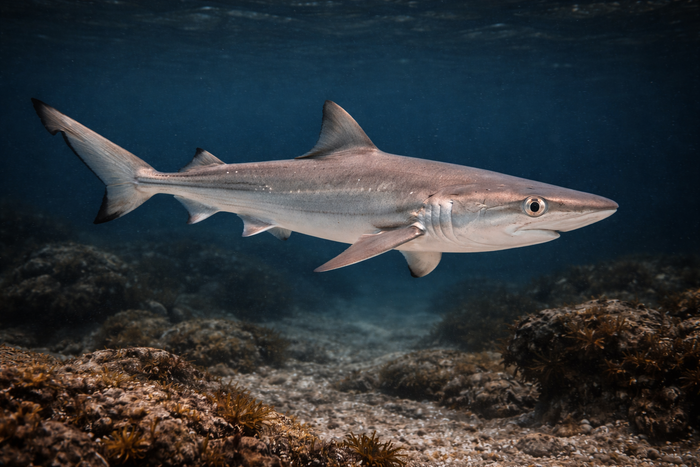
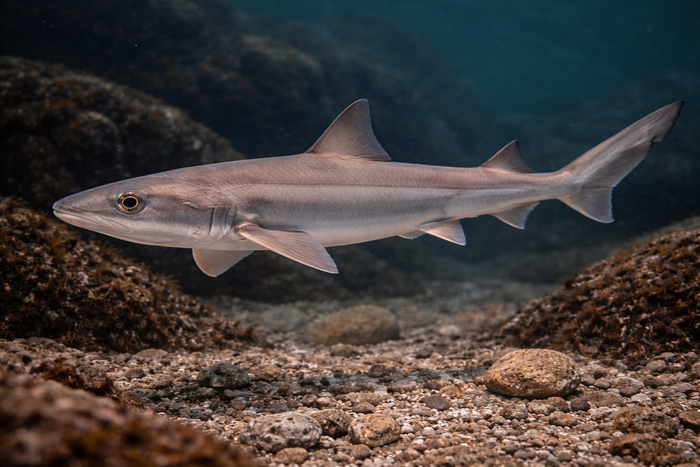
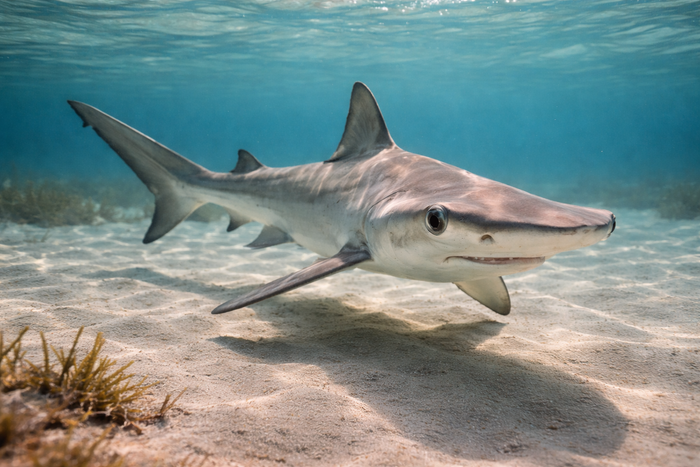
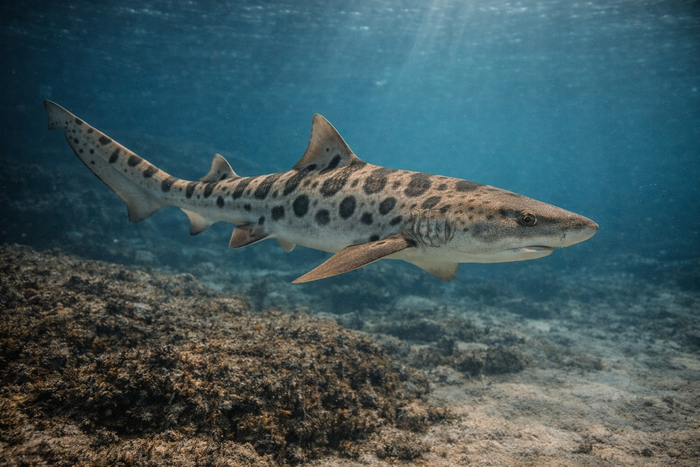
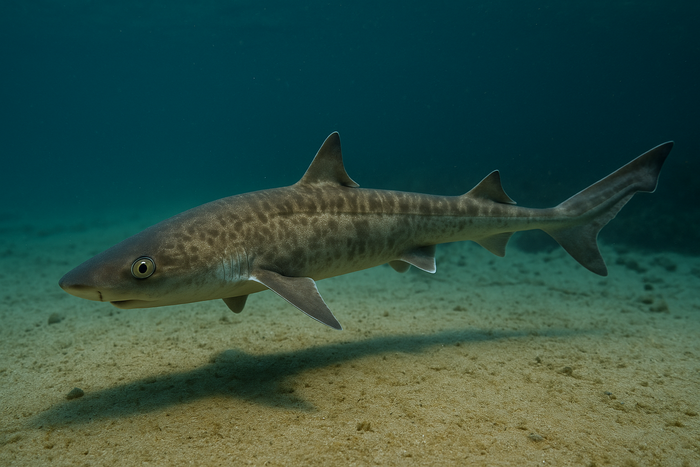
Nurse Shark (Ginglymostoma cirratum): The Bottom-Dwelling Predator with a Surprisingly Chill Attitude
The Nurse Shark is a staple of tropical and subtropical waters, known for its distinctive appearance and laid-back demeanor. Far from the aggressive reputation sharks often carry, this species has carved out a niche as a nocturnal hunter and a common sight on coral reefs and sandy bottoms. Understanding Nurse Shark facts reveals a creature that’s both resilient and essential to marine ecosystems, making it a fascinating subject for divers, researchers, and conservationists alike.
What Makes the Nurse Shark Unique?
Nurse Sharks stand out for several reasons. First, their physical features: a broad, flat head with barbels near the nostrils that act like sensory whiskers, helping them detect prey hidden in the sand. Their mouths sit well forward on the head, equipped with thousands of tiny teeth designed for crushing rather than slicing. This adaptation suits their diet of crustaceans, mollusks, and small fish.
Unlike many sharks, Nurse Sharks are relatively slow movers and often rest motionless on the sea floor for hours. They have the ability to pump water over their gills while stationary, allowing them to breathe without swimming—an unusual trait among sharks. This sedentary lifestyle, combined with their nocturnal hunting habits, sets them apart from more aggressive, fast-swimming shark species.
Habitat & Global Range
Nurse Shark habitat spans the warm coastal waters of the western Atlantic Ocean, from the southeastern United States down through the Caribbean and along the coast of South America. They also inhabit parts of the eastern Pacific, including the Gulf of California. These sharks prefer shallow waters, often less than 100 feet deep, favoring coral reefs, rocky ledges, mangroves, and sandy flats.
Their affinity for complex underwater structures provides both shelter and hunting grounds. During the day, Nurse Sharks often gather in groups in caves or under ledges, sometimes forming aggregations of dozens. At night, they disperse to forage, using their barbels to root out prey buried in sediment. This habitat preference makes them a common encounter for divers exploring reef systems in their range.
Behavior & Temperament
Nurse Sharks have a reputation for being docile and relatively non-aggressive toward humans, especially when undisturbed. They are nocturnal hunters, relying on stealth and sensory adaptations rather than speed or brute force. Their diet consists mainly of slow-moving or hidden prey, which they extract using suction feeding.
Despite their calm demeanor, Nurse Sharks can defend themselves if provoked. They have powerful jaws capable of delivering a strong bite, and their rough skin can cause abrasions. However, attacks on humans are rare and usually the result of mistaken identity or provocation.
Socially, Nurse Sharks are somewhat gregarious, often resting in groups during the day. This behavior is unusual among sharks, which are typically solitary. Their group resting may provide protection or aid in thermoregulation, but the exact reasons remain a subject of study.
Ecological Importance
Nurse Sharks play a critical role in maintaining the balance of reef ecosystems. By preying on bottom-dwelling invertebrates and small fish, they help control populations that might otherwise overgraze or disrupt coral communities. Their foraging behavior also stirs up sediment, which can aid nutrient cycling on the reef.
As mid-level predators, Nurse Sharks are indicators of reef health. A stable or growing population suggests a balanced ecosystem, while declines can signal environmental stress or overfishing. Their presence supports biodiversity by keeping prey species in check and contributing to the complex food web dynamics of coral reefs and coastal habitats.
Conservation & Environmental Pressures
Despite their hardy reputation, Nurse Sharks face several threats. Habitat degradation, especially the destruction of coral reefs and mangroves, directly impacts their shelter and hunting grounds. Coastal development and pollution reduce water quality, affecting both the sharks and their prey.
Fishing pressure is another concern. Nurse Sharks are sometimes caught as bycatch or targeted for their meat, fins, and skin. While not currently classified as critically endangered, local populations have declined in some areas due to overfishing and habitat loss.
Conservation efforts focus on protecting critical habitats and regulating fishing practices. Marine protected areas that encompass Nurse Shark habitat have shown promise in stabilizing populations. Public education about the species’ ecological role and non-aggressive nature also helps reduce unnecessary killing and promotes coexistence.
The FishyAF Take
Nurse Sharks are the underrated workhorses of tropical reefs. They don’t have the flashy speed or fearsome reputation of great whites or tiger sharks, but their unique adaptations and ecological role make them indispensable. Their ability to rest motionless, pump water over their gills, and hunt with sensory precision is a masterclass in evolutionary efficiency.
For anyone interested in marine life, Nurse Shark facts offer a glimpse into a species that thrives quietly beneath the waves, balancing the reef ecosystem while avoiding the spotlight. Protecting their habitat and understanding their behavior isn’t just about saving a shark—it’s about preserving the intricate web of life that sustains entire ocean communities. Nurse Sharks deserve more respect than they get, and a closer look reveals just how bold and memorable they really are.