Atlantic Sharpnose (Rhizoprionodon terraenovae): Small Shark, Big Attitude
The Atlantic Sharpnose is a compact predator with a reputation that punches well above its size. This sleek shark cruises coastal waters with a mix of agility and tenacity that commands respect. Known scientifically as Rhizoprionodon terraenovae, it’s a staple of the western Atlantic Ocean, from Massachusetts down to the Gulf of Mexico. Despite its modest dimensions, the Atlantic Sharpnose plays a crucial role in marine ecosystems and offers plenty of fascinating Atlantic Sharpnose facts for enthusiasts and researchers alike.
What Makes the Atlantic Sharpnose Unique?
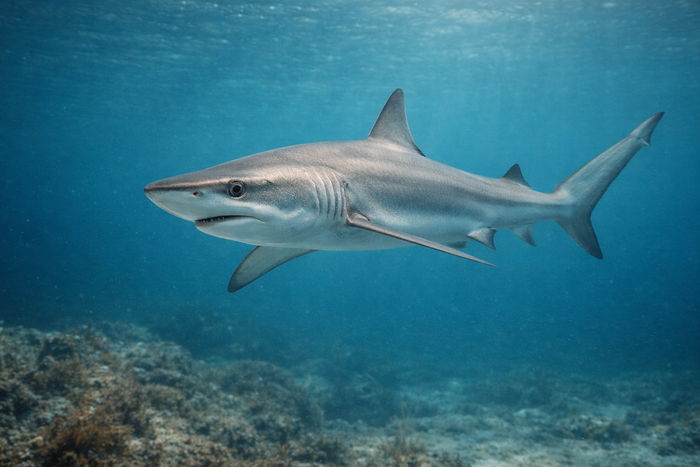
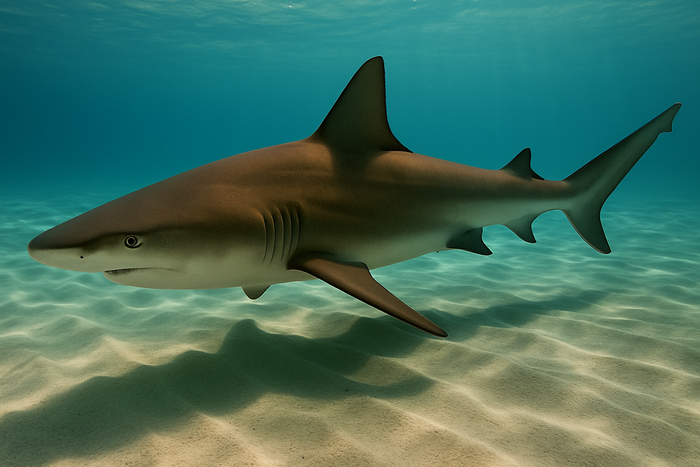
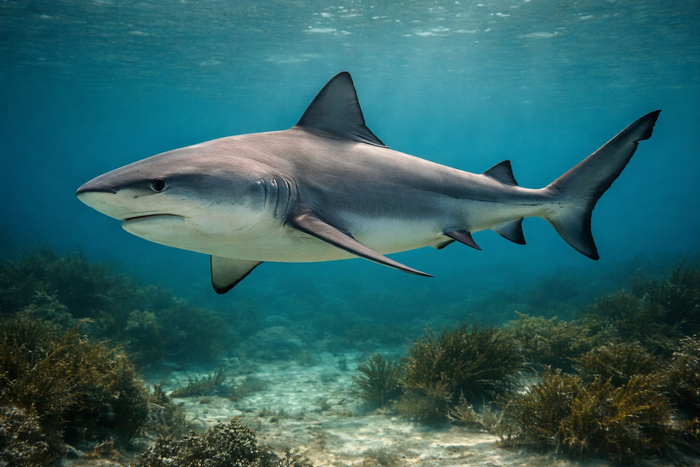
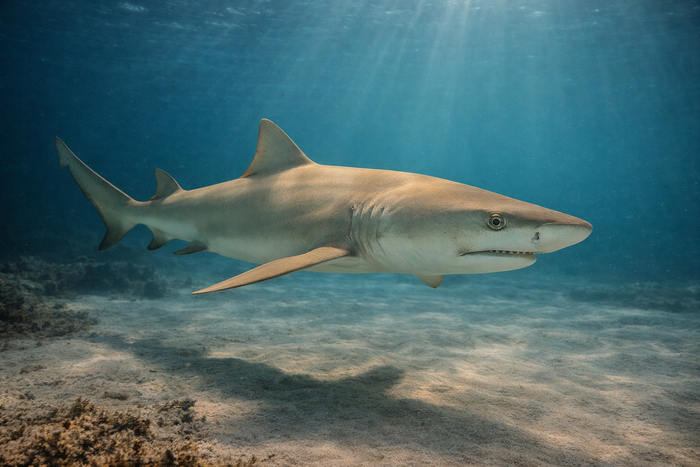
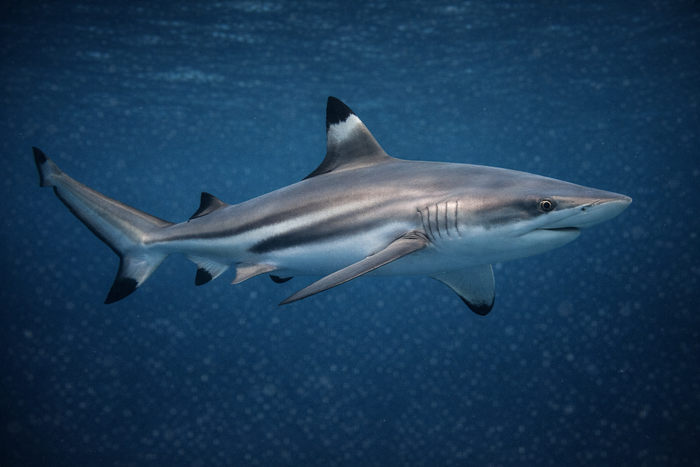
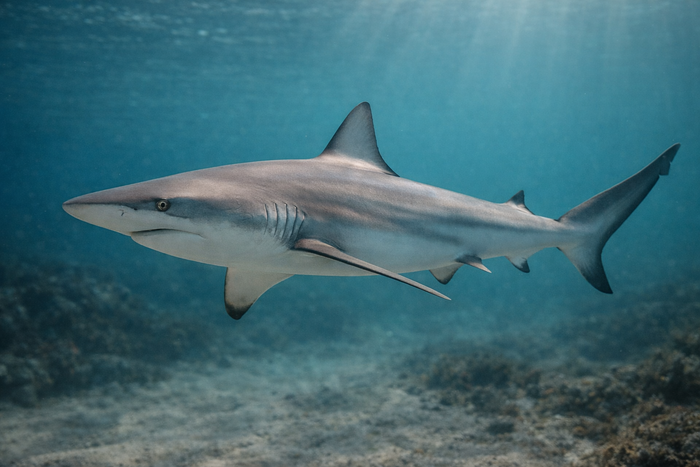
The Atlantic Sharpnose stands out among small sharks for its distinctive slender body and pointed snout, which gives it the “sharpnose” moniker. Unlike many of its relatives, it sports a relatively long, narrow head with large eyes that hint at its predatory prowess. Its teeth are small but razor-sharp, perfectly designed for grasping slippery prey like small fish and crustaceans.
This shark’s adaptability is another hallmark. It tolerates a wide range of salinities and temperatures, making it a versatile hunter in estuaries, bays, and nearshore waters. Its reproductive strategy is also notable: Atlantic Sharpnose sharks are viviparous, meaning they give birth to live young rather than laying eggs. Females can produce multiple pups per litter, ensuring the species’ persistence despite environmental challenges.
Habitat & Global Range
The Atlantic Sharpnose is a coastal specialist with a preference for shallow waters. Its Atlantic Sharpnose habitat spans from the temperate zones off Massachusetts all the way down to the subtropical coasts of the Gulf of Mexico and northern South America. It thrives in water depths ranging from just a few feet to around 280 feet, often favoring sandy or muddy bottoms near seagrass beds and estuarine environments.
This shark’s tolerance for varying salinity levels allows it to venture into brackish waters, making estuaries and river mouths prime hunting grounds. Seasonal migrations are common, with populations moving northward during warmer months and retreating south as temperatures drop, following prey availability and optimal breeding conditions.
Behavior & Temperament
Don’t let its size fool you. The Atlantic Sharpnose is an active, curious predator that exhibits bold hunting behavior. It feeds primarily on small fish, shrimp, and crabs, using its speed and maneuverability to ambush prey. Its sharp snout helps it root through sediment and vegetation to flush out hidden meals.
Socially, these sharks are often found in small groups, especially during the summer months when food is abundant. They’re not aggressive toward humans but will defend themselves if provoked. Their temperament is generally cautious but confident, a balance that serves them well in the competitive coastal environment.
Ecological Importance
The Atlantic Sharpnose is a vital mid-level predator in its ecosystem. By preying on small fish and invertebrates, it helps regulate populations and maintain a balanced food web. This control prevents any one species from dominating and disrupting the delicate coastal marine habitats.
Additionally, as prey for larger sharks and marine mammals, the Atlantic Sharpnose is an important link in the oceanic food chain. Its presence signals a healthy coastal ecosystem, where predator-prey dynamics are intact and biodiversity thrives.
Conservation & Environmental Pressures
Despite its resilience, the Atlantic Sharpnose faces several environmental pressures. Coastal development, pollution, and habitat degradation threaten the shallow waters it calls home. Overfishing, both targeted and incidental, can impact local populations, although this species is generally more abundant than many larger sharks.
Climate change adds another layer of complexity, potentially altering water temperatures and salinity patterns that influence Atlantic Sharpnose habitat. Monitoring and managing these factors are critical to ensuring the species’ long-term survival.
The FishyAF Take
The Atlantic Sharpnose is a prime example of how size doesn’t dictate significance in the ocean. This shark’s sharp snout and sharper instincts make it a standout in coastal waters. Its adaptability, reproductive strategy, and ecological role underscore its importance beyond just another small shark.
If you’re diving into Atlantic Sharpnose facts or exploring Atlantic Sharpnose habitat, remember this species is a resilient, dynamic player in marine ecosystems. It’s a reminder that even the smaller predators pack a punch in maintaining the balance of life beneath the waves. Keep an eye out for this sleek hunter next time you’re nearshore—it’s a bold, memorable piece of the Atlantic’s underwater puzzle.