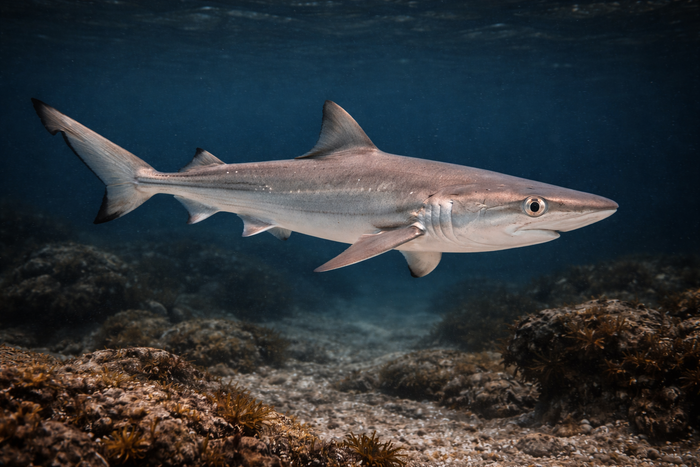
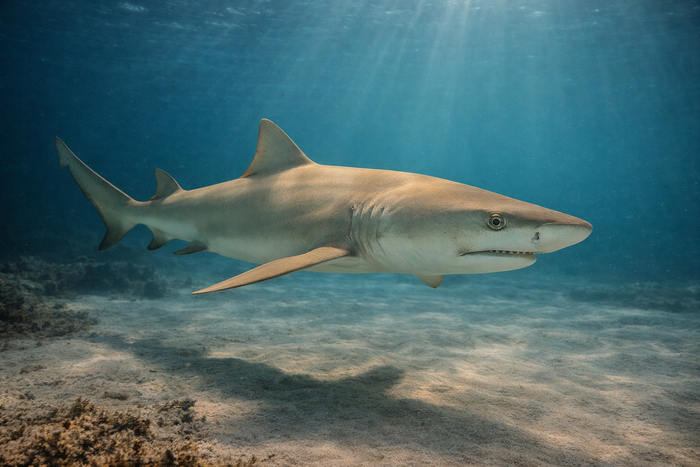
Blacktip Shark (Carcharhinus limbatus): The Ocean’s Speed Demon with a Signature Fin
The Blacktip Shark is one of the ocean’s most recognizable predators, instantly identified by the striking black tips on its fins. This shark isn’t just a pretty face; it’s a sleek, efficient hunter that dominates coastal waters worldwide. Known scientifically as Carcharhinus limbatus, the Blacktip Shark combines speed, agility, and a bold presence that makes it a fascinating subject for marine enthusiasts and researchers alike. If you want to understand a shark that’s both common and captivating, this is your go-to species.
What Makes the Blacktip Shark Unique?
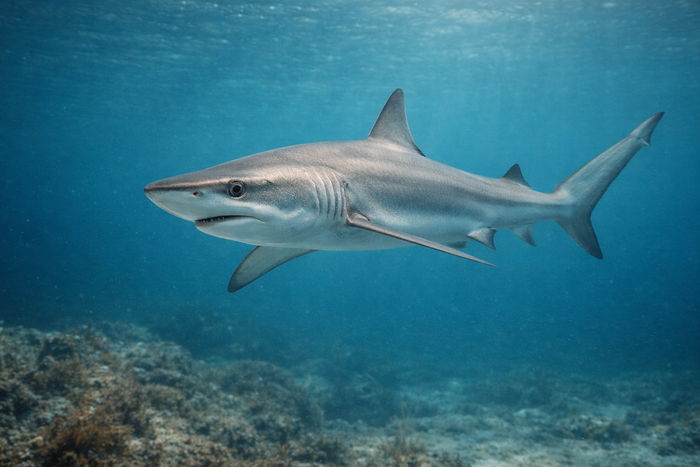
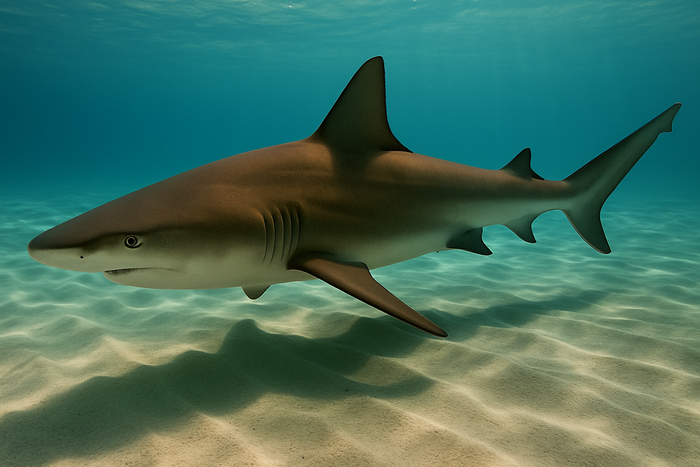
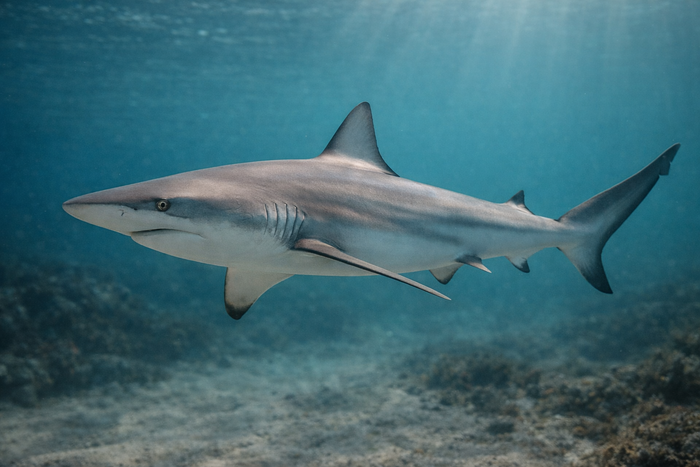
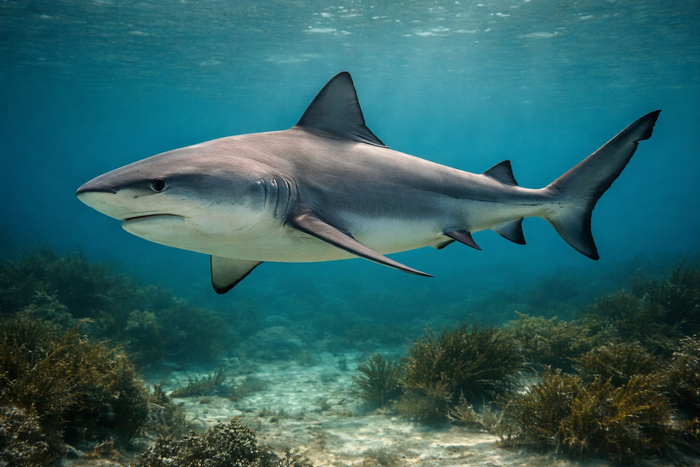
Blacktip Sharks stand out for their distinctive black markings on the tips of their dorsal, pectoral, and tail fins. This visual signature isn’t just for show—it serves as a warning and a form of camouflage in the dappled light of shallow waters. Unlike many sharks that lurk in the deep, Blacktips are coastal specialists, often seen leaping out of the water in spectacular displays of agility.
They’re built for speed. Their streamlined bodies and powerful tails allow them to chase down fast-moving prey like small fish and squid. Blacktip Sharks are also known for their acrobatic breaches, which are not just impressive but may help dislodge parasites or communicate with other sharks.
Another unique trait is their reproductive strategy. Blacktip Sharks are viviparous, meaning they give birth to live young rather than laying eggs. Females have a gestation period of about 10 to 12 months and typically produce litters of 2 to 5 pups. This reproductive method supports their survival in dynamic coastal environments.
Habitat & Global Range
Blacktip Shark habitat is primarily coastal and tropical to subtropical waters around the globe. They thrive in shallow, warm waters such as bays, estuaries, and coral reefs. You’ll find them from the western Atlantic—from New England down to Brazil—to the eastern Atlantic coasts of Africa and Europe. They also inhabit the Indian Ocean and parts of the western Pacific, including the waters around Australia and Southeast Asia.
These sharks prefer waters less than 30 meters deep but are known to venture into deeper areas when following prey or during seasonal migrations. Their adaptability to both saltwater and brackish environments allows them to exploit a wide range of habitats, making them a common sight in many coastal regions.
Behavior & Temperament
Blacktip Sharks are fast, aggressive hunters with a reputation for being bold but not unnecessarily dangerous to humans. They are opportunistic feeders, targeting small schooling fish, crustaceans, and cephalopods. Their hunting technique involves sudden bursts of speed and sharp turns, often driving prey into shallow waters or tight spaces where escape is difficult.
Socially, Blacktip Sharks are somewhat gregarious. They can be found in groups, especially during feeding frenzies or mating seasons. These aggregations are not random; they reflect complex social behaviors and possibly communication through body language and movement.
Despite their aggressive hunting style, Blacktip Sharks generally avoid humans. Attacks are rare and usually occur when the shark is confused or provoked, such as when spearfishing or splashing near the water’s surface. Their temperament is best described as cautious but curious, making them a thrilling but manageable species for divers and snorkelers.
Ecological Importance
Blacktip Sharks play a critical role in maintaining the health of coastal marine ecosystems. As mid-level predators, they regulate populations of smaller fish and invertebrates, preventing any one species from dominating and disrupting the ecological balance. Their predation helps maintain species diversity and the overall resilience of coral reefs and seagrass beds.
They also serve as indicators of ecosystem health. Because Blacktip Sharks rely on healthy coastal habitats for breeding and hunting, their presence and population trends can signal changes in water quality, fish stocks, and habitat integrity.
Furthermore, Blacktip Sharks contribute to nutrient cycling. When they feed and move between habitats, they redistribute nutrients, supporting productivity in both shallow and deeper waters. This ecological service is often overlooked but vital for sustaining the complex food webs of coastal environments.
Conservation & Environmental Pressures
Despite their abundance, Blacktip Sharks face significant threats from human activity. Overfishing is the primary concern, driven by demand for shark fins, meat, and liver oil. Their coastal habitat makes them especially vulnerable to fishing nets and bycatch. Juvenile sharks, which use estuaries as nurseries, are at risk from habitat degradation and pollution.
Habitat loss due to coastal development, mangrove destruction, and water pollution further compounds the problem. These sharks depend on clean, shallow waters for breeding and feeding. When these areas are compromised, their reproductive success and survival rates decline.
Climate change adds another layer of pressure. Rising sea temperatures and ocean acidification can alter prey availability and disrupt migration patterns. Blacktip Sharks may be forced to shift their range, potentially leading to conflicts with other species and new environmental challenges.
Conservation efforts focus on sustainable fishing practices, habitat protection, and public education. Marine protected areas that include critical nursery grounds have shown promise in supporting Blacktip Shark populations. Monitoring and research continue to be essential for understanding their ecology and managing their future.
The FishyAF Take
Blacktip Sharks are the perfect example of a species that’s both familiar and fascinating. They’re not the monstrous villains of shark lore but rather sleek, efficient predators that keep coastal ecosystems ticking. Their bold black fin tips are a signature of their identity, a mark of a shark that’s fast, smart, and adaptable.
If you want to dive into Blacktip Shark facts, remember this: these sharks are a barometer for the health of our coastal waters. Their presence signals a balanced ecosystem, their absence a warning sign. Protecting their habitat isn’t just about saving a single species—it’s about preserving the complex, interconnected web of life that sustains oceans and, ultimately, us.
In the grand scheme of ocean life, the Blacktip Shark is a star player. It’s time we give them the respect and protection they deserve, not just for their own survival but for the future of marine biodiversity.