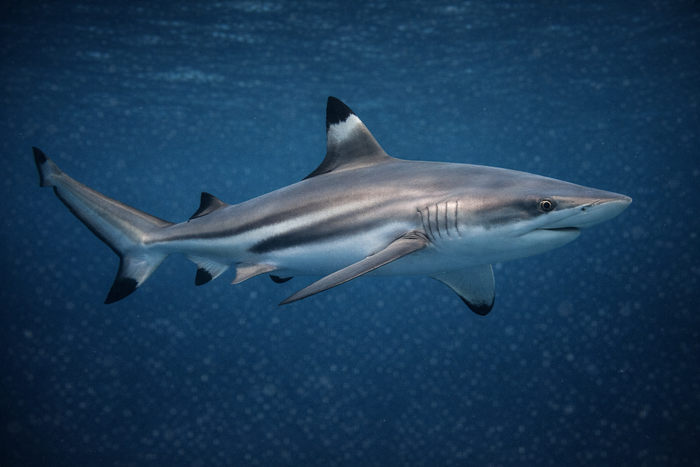
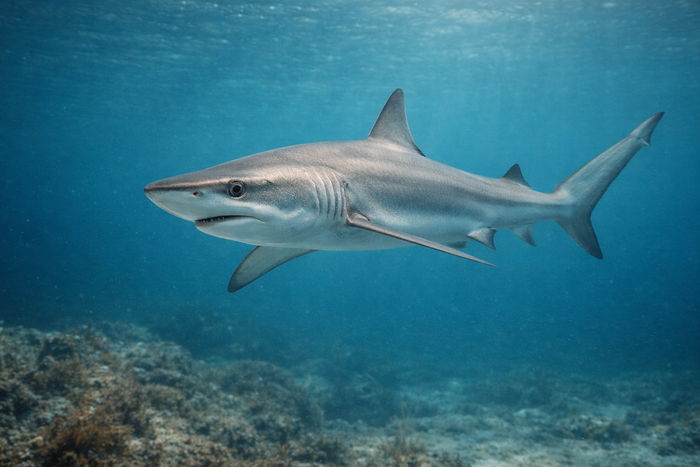
Bull Shark (Carcharhinus leucas): The Freshwater Fighter with Saltwater Swagger
The Bull Shark is the heavyweight contender of the shark world, known for its aggressive nature, robust build, and uncanny ability to thrive in both saltwater and freshwater. It’s a shark that doesn’t just stick to the ocean’s edge but ventures deep into rivers and lakes, making it one of the most versatile and formidable predators on the planet. If you want Bull Shark facts that go beyond the basics, you’re in the right place. This species is a study in adaptability, power, and ecological significance.
What Makes the Bull Shark Unique?
Bull Sharks are the only sharks that can live comfortably in both saltwater and freshwater environments. This adaptability is due to their extraordinary osmoregulatory system, which allows them to regulate salt levels in their bodies, enabling them to move between oceans, estuaries, and even hundreds of miles upriver. This is not just a party trick—it’s a survival strategy that opens up a vast range of hunting grounds and reduces competition.
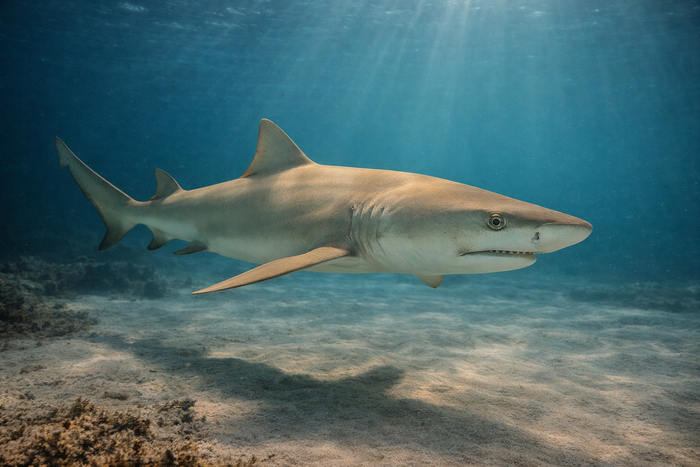
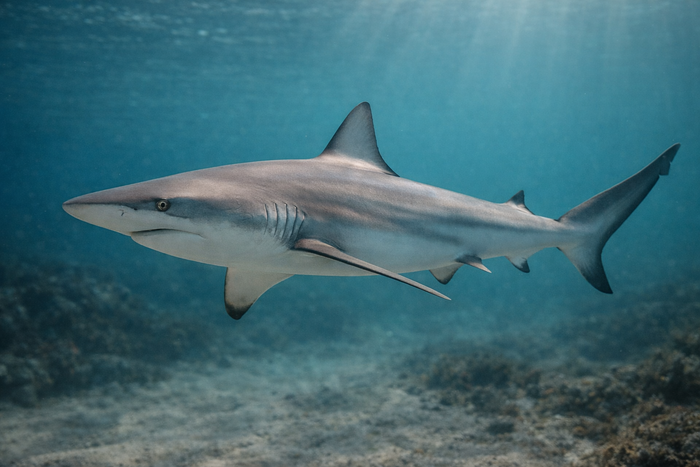
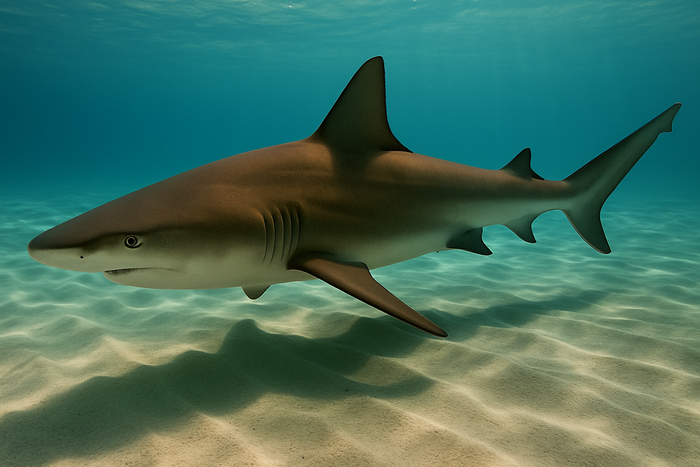
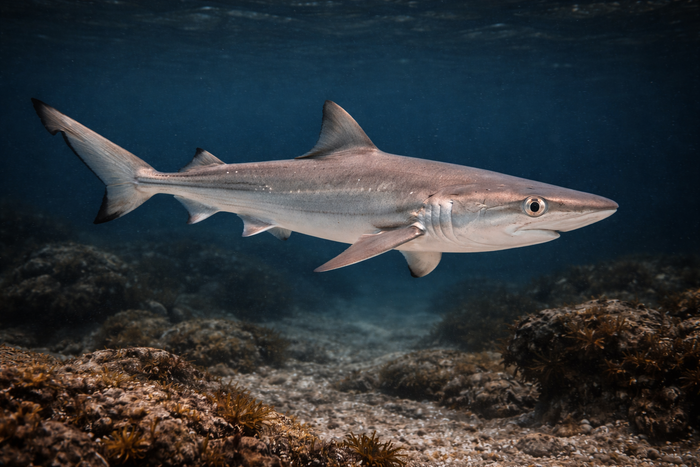
Physically, Bull Sharks are stocky and muscular, with a blunt, rounded snout that gives them their name. Their body shape is built for power rather than speed, allowing them to charge at prey with brute force. Their teeth are broad and triangular, perfect for grabbing and crushing a wide variety of prey, from fish to turtles and even other sharks.
Habitat & Global Range
Bull Shark habitat is nothing short of impressive. They are found in warm, shallow coastal waters worldwide, from the tropical and subtropical regions of the Atlantic, Pacific, and Indian Oceans. But what sets them apart is their willingness to swim far inland. Bull Sharks have been recorded thousands of miles up major rivers like the Mississippi, Amazon, and Ganges. They can tolerate low salinity levels that would kill most other shark species.
This ability to exploit both marine and freshwater environments gives Bull Sharks a unique ecological niche. They often inhabit murky waters where visibility is low, relying on their acute senses to hunt. Their presence in freshwater systems also means they come into contact with human populations more frequently than most sharks, contributing to their notorious reputation.
Behavior & Temperament
Bull Sharks are known for their aggressive and territorial behavior. They don’t shy away from confrontations and are considered one of the most dangerous sharks to humans. Their boldness is partly due to their habitat choices—murky, shallow waters where visibility is limited, and encounters with humans are more likely.
They are opportunistic feeders with a broad diet that includes fish, dolphins, turtles, birds, and even other sharks. Bull Sharks are solitary hunters but can be found in groups during certain times, like mating or feeding frenzies. Their hunting style is a mix of ambush and brute force, using their powerful bodies to overwhelm prey.
Despite their aggressive reputation, Bull Sharks are not mindless killers. They play a critical role in maintaining the balance of marine and freshwater ecosystems by controlling prey populations and competing shark species.
Ecological Importance
Bull Sharks are apex predators, sitting at the top of the food chain in many of their habitats. Their role is crucial for ecosystem health. By preying on a variety of species, they help maintain the balance between different trophic levels, preventing any one species from dominating and causing ecological collapse.
In freshwater systems, their presence is a sign of a healthy, functioning ecosystem. They help regulate populations of fish and other aquatic animals, which in turn affects the vegetation and overall water quality. Their ability to move between salt and freshwater also means they can transfer nutrients and energy across ecosystems, linking marine and inland habitats in a way few other predators can.
Conservation & Environmental Pressures
Despite their toughness, Bull Sharks face significant threats from human activity. Overfishing, habitat destruction, and pollution are the main pressures. Coastal development and dam construction disrupt their migratory routes and breeding grounds, while water pollution affects their health and prey availability.
Bull Sharks are often caught as bycatch in commercial fisheries, and their fins are highly valued in the shark fin trade. This has led to population declines in some areas, although their wide range and adaptability have helped them avoid the critical endangerment status that other shark species face.
Conservation efforts focus on protecting critical habitats, regulating fisheries, and increasing public awareness about the ecological role of Bull Sharks. Understanding their unique biology and behavior is key to developing effective management strategies that balance human interests with shark conservation.
The FishyAF Take
Bull Sharks are the ultimate survivalists of the shark world. Their ability to dominate both saltwater and freshwater environments makes them a fascinating subject for anyone interested in marine biology or shark behavior. They’re not just dangerous; they’re essential players in their ecosystems, keeping everything in check with a mix of brute force and evolutionary finesse.
If you’re diving into Bull Shark facts, remember this: they’re not just another shark. They’re a testament to nature’s adaptability and power. Respect their space, understand their role, and appreciate the complexity behind their fearsome reputation. Bull Sharks are a reminder that the ocean—and the rivers that feed it—are full of surprises, and sometimes the most formidable creatures are the ones that refuse to be boxed in.