Lemon Shark (Negaprion brevirostris): The Bright Yellow Predator That’s Anything But Bland
The Lemon Shark is a standout in the shark world, not just for its sunny hue but for its remarkable adaptability and social behavior. With a name that hints at citrus but a reputation rooted in stealth and efficiency, this species commands attention in coastal waters. Known scientifically as Negaprion brevirostris, the Lemon Shark is a fascinating subject for anyone interested in marine predators, combining bold looks with intriguing biology.
What Makes the Lemon Shark Unique?
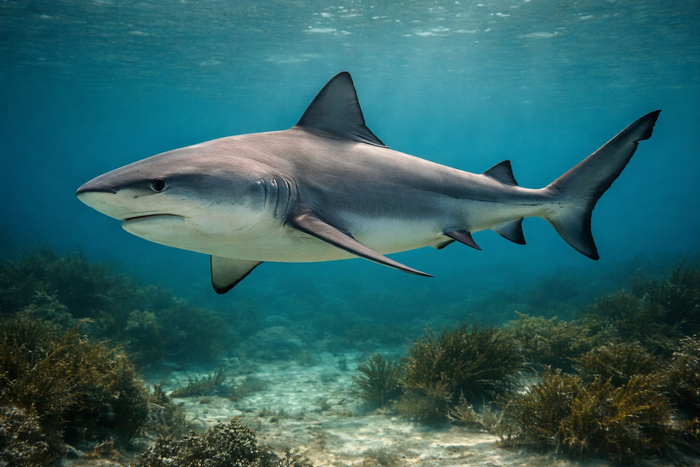
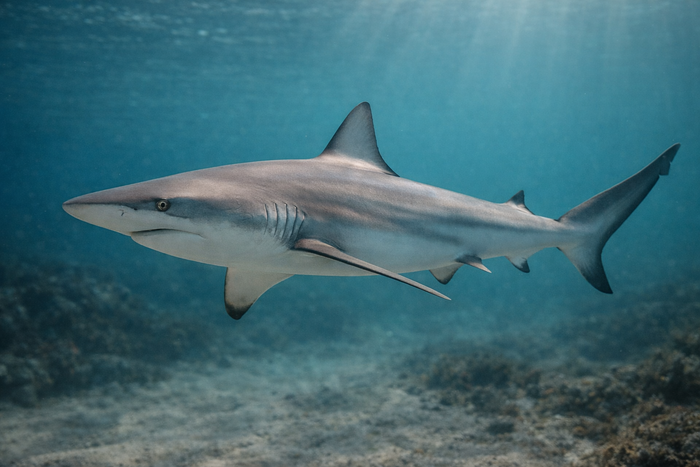
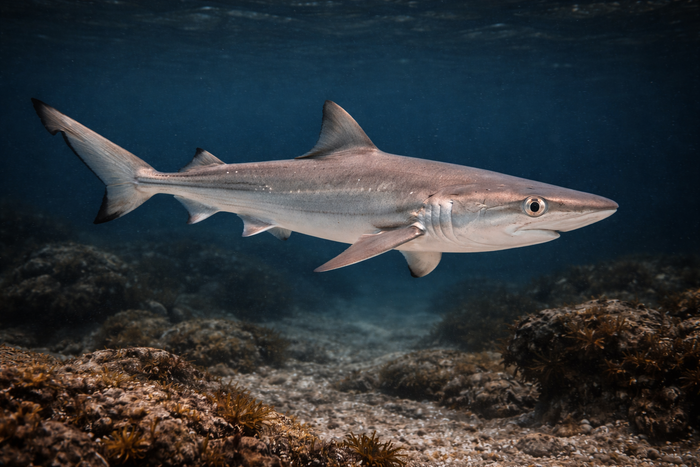
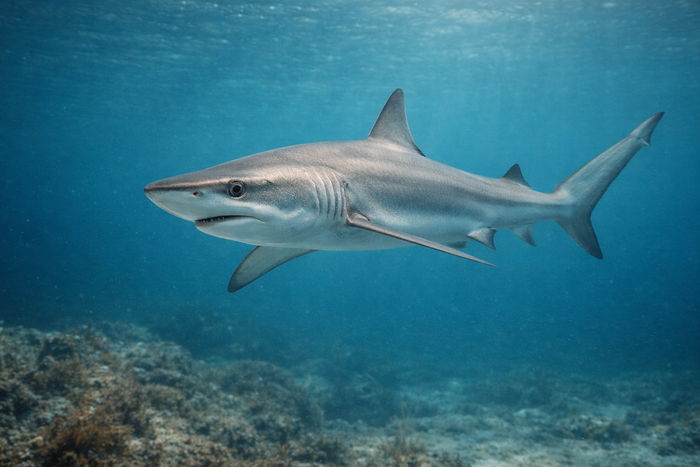
Forget the typical solitary shark stereotype. Lemon Sharks are social creatures, often found cruising in groups, which is unusual for sharks. Their distinctive yellow-brown coloration provides excellent camouflage in shallow, sandy environments, blending seamlessly with the ocean floor. This natural disguise makes them efficient ambush predators. Their blunt snout and two dorsal fins of nearly equal size set them apart visually from other sharks, giving them a robust and somewhat stocky appearance.
Lemon Sharks also boast a remarkable ability to navigate complex coastal habitats, including mangroves and estuaries, which serve as nurseries for their young. This species exhibits site fidelity, often returning to the same areas year after year, a behavior that’s rare among sharks. Their social structure and repeated use of specific habitats make them a prime subject for studies on shark behavior and conservation.
Habitat & Global Range
Lemon Shark habitat is primarily coastal and tropical, favoring shallow waters where their yellow tint offers perfect camouflage. They are found in the western Atlantic Ocean, from New Jersey down to southern Brazil, and in the eastern Pacific from Baja California to Ecuador. Mangrove-lined estuaries, sandy flats, and coral reefs are their preferred hangouts.
These sharks thrive in warm waters, typically between 70 and 85 degrees Fahrenheit, and are often spotted in depths less than 82 feet. Their affinity for shallow, nearshore environments means they frequently interact with human activities, which can be both a blessing and a curse. The Lemon Shark’s ability to tolerate low salinity levels allows juveniles to grow up safely in brackish waters, away from larger predators.
Behavior & Temperament
Lemon Sharks are not your average lone hunters. They exhibit complex social behaviors, often forming groups that can range from a handful to dozens of individuals. These groups are not random; they show preferences for specific companions and maintain social hierarchies. This sociality is thought to improve hunting success and provide protection.
Despite their bold appearance, Lemon Sharks are generally cautious around humans. They are curious but not aggressive unless provoked or cornered. Their hunting strategy relies on stealth and surprise rather than brute force. They primarily feed on fish, rays, and crustaceans, using their powerful jaws and sharp teeth to snap up prey.
Juvenile Lemon Sharks use mangroves as nurseries, where the dense roots offer shelter from predators. This early life stage in protected habitats is crucial for their survival and growth. Adults tend to patrol coastal waters and reefs, demonstrating strong site fidelity by returning to the same areas seasonally.
Ecological Importance
Lemon Sharks play a vital role in maintaining the balance of coastal ecosystems. As mid-level predators, they help regulate populations of fish and invertebrates, preventing any one species from dominating and disrupting the food web. Their predation on weaker or sick individuals contributes to the overall health of prey populations.
By using mangroves and estuaries as nurseries, Lemon Sharks also highlight the ecological value of these habitats. Healthy mangrove systems support not only juvenile sharks but countless other marine species, making them biodiversity hotspots. The presence of Lemon Sharks is often an indicator of a healthy coastal ecosystem.
Conservation & Environmental Pressures
Despite their adaptability, Lemon Sharks face significant threats from human activities. Coastal development, habitat destruction, and pollution degrade the shallow waters and mangroves they depend on. Overfishing and bycatch in commercial fisheries also reduce their numbers, as they are sometimes caught unintentionally or targeted for their fins and meat.
Their slow reproductive rate—females give birth to relatively few pups after a lengthy gestation—means populations recover slowly from declines. Climate change adds another layer of pressure, altering water temperatures and affecting the availability of nursery habitats.
Conservation efforts focus on protecting critical habitats like mangroves and estuaries, regulating fishing practices, and promoting shark-friendly policies. Public education about Lemon Shark behavior and ecological roles helps reduce fear and encourages coexistence.
The FishyAF Take
Lemon Sharks are a prime example of how sharks can be both fascinating and ecologically indispensable without being the stuff of nightmares. Their social nature, habitat loyalty, and role in coastal ecosystems make them a species worth watching—and protecting. Understanding Lemon Shark facts and their habitat needs is crucial for anyone serious about marine conservation. These sharks remind us that not all predators are solitary hunters lurking in the deep; some prefer the sunlit shallows, cruising in packs, and keeping the underwater world in balance. If you want to appreciate sharks beyond the clichés, the Lemon Shark is a bright, bold place to start.