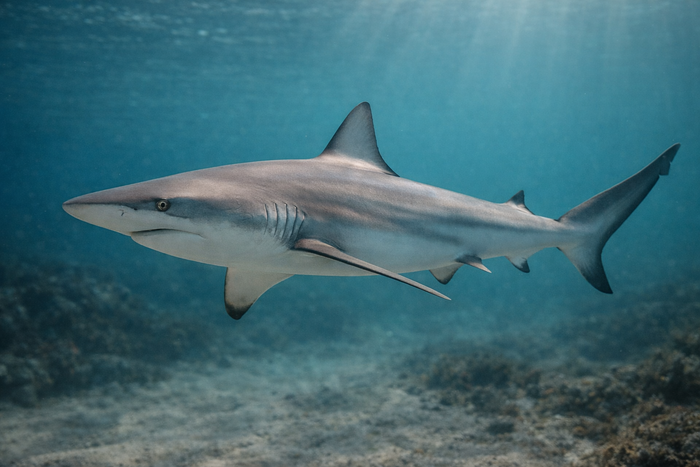
Sandbar Shark (Carcharhinus plumbeus): The Heavyweight Cruiser of Coastal Waters
The Sandbar Shark is one of the ocean’s underrated heavy hitters. Known for its robust frame and impressive dorsal fin, this species commands attention without the flashy antics of its more notorious cousins. If you’re after solid Sandbar Shark facts, you’re in the right place. This shark blends power with subtlety, cruising coastal waters with a quiet confidence that deserves a closer look.
What Makes the Sandbar Shark Unique?
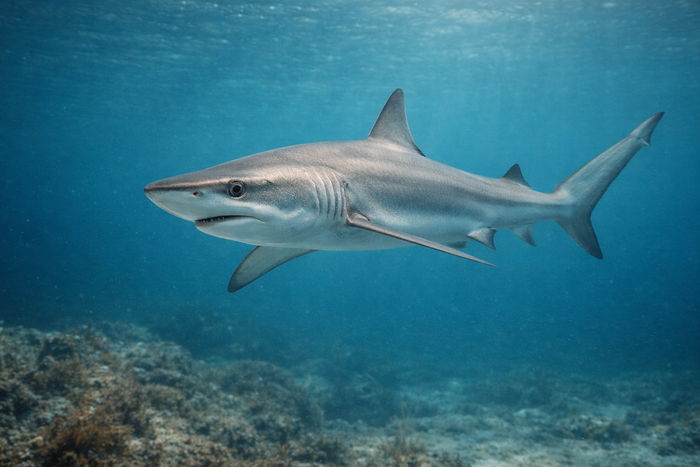
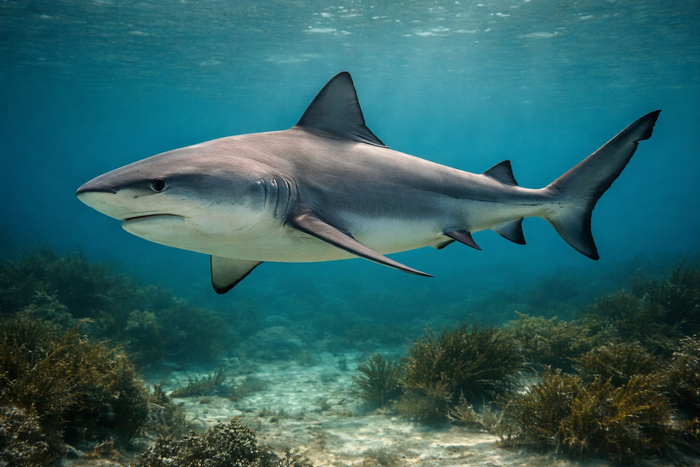
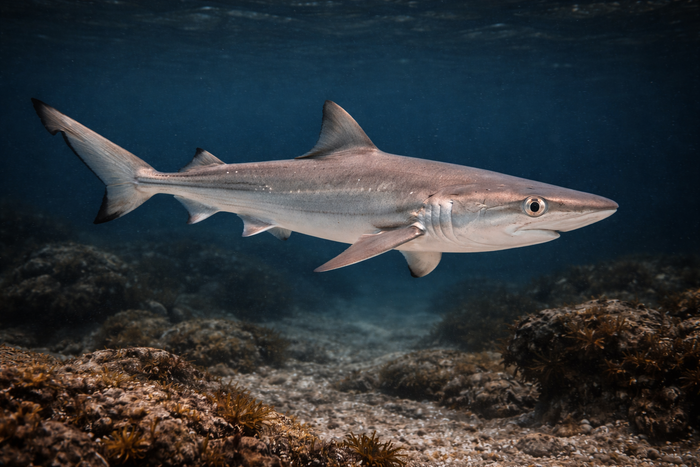
The first thing that sets the Sandbar Shark apart is its size and build. It’s a stocky, muscular shark with a high, triangular dorsal fin that’s hard to miss. Unlike the sleek, torpedo-shaped sharks built for speed, the Sandbar is built for endurance and strength. Its pectoral fins are broad, giving it a steady glide through murky coastal waters.
Another standout feature is its teeth—broad, triangular, and serrated, perfect for grabbing and slicing through a variety of prey. This shark isn’t picky; it’s an opportunistic feeder that can handle everything from fish to crustaceans and even small rays.
Reproductively, Sandbar Sharks are slow and steady. They have a long gestation period and produce relatively few pups compared to other sharks. This makes them vulnerable to overfishing and environmental changes, but also fascinating from a biological standpoint.
Habitat & Global Range
Sandbar Sharks are the true coastal cruisers of the shark world. Their habitat spans temperate and tropical waters, hugging continental shelves and estuaries. You’ll find them from the western Atlantic, including the eastern coast of the United States and the Gulf of Mexico, all the way to parts of the Indo-Pacific.
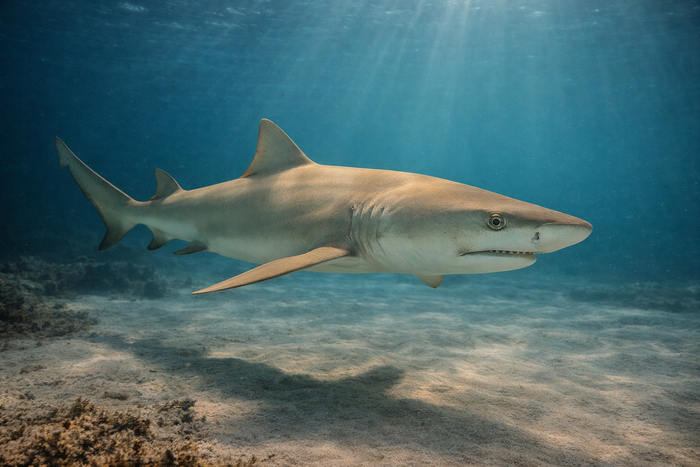
Their preference for shallow, sandy-bottomed waters—hence the name—makes them a common sight near bays, harbors, and estuaries. They’re also known to venture into deeper waters but tend to stay within the continental shelf zone.
Sandbar Shark habitat is critical for their lifecycle. Juveniles often inhabit estuaries and inshore areas, which serve as nurseries, providing shelter and abundant food. Adults patrol deeper coastal waters but rarely stray far offshore.
Behavior & Temperament
Sandbar Sharks are not the aggressive, man-eating villains Hollywood loves to portray. They’re generally shy and avoid human interaction. When confronted, they’re more likely to swim away than engage.
These sharks are primarily solitary but can be found in small groups, especially during mating seasons or in areas with abundant food. They are active hunters, using their keen senses to detect prey in low-visibility waters. Their slow, deliberate swimming style is a contrast to the burst-speed attacks of some other shark species.
Sandbar Sharks exhibit seasonal migrations, moving to warmer waters during colder months and returning as temperatures rise. This movement is tied to breeding and feeding cycles, ensuring they maximize survival and reproductive success.
Ecological Importance
Sandbar Sharks play a crucial role in maintaining the balance of coastal ecosystems. As mid-level predators, they regulate populations of smaller fish and invertebrates, preventing any single species from dominating the food web.
Their feeding habits help control species that could otherwise damage seagrass beds and coral reefs, indirectly supporting the health of these vital habitats. By preying on sick or weak individuals, Sandbar Sharks also contribute to the genetic health of prey populations.
In the grand scheme, they are indicators of ecosystem health. A stable Sandbar Shark population often signals a well-functioning coastal environment, while declines can hint at broader ecological issues.
Conservation & Environmental Pressures
Despite their resilience, Sandbar Sharks face significant threats. Overfishing is the most pressing concern, driven by demand for their fins, meat, and liver oil. Their slow reproductive rate means populations recover slowly, making them vulnerable to depletion.
Habitat degradation also poses a serious risk. Coastal development, pollution, and sedimentation disrupt the estuaries and shallow waters that juveniles depend on. Climate change adds another layer of complexity, altering water temperatures and prey availability.
Conservation efforts are underway in various regions, including fishing regulations, protected areas, and bycatch reduction programs. However, enforcement and global cooperation remain challenges. Understanding Sandbar Shark habitat and behavior is key to crafting effective conservation strategies.
The FishyAF Take
The Sandbar Shark is a heavyweight player in coastal waters that deserves more respect. It’s not flashy or aggressive, but it’s a vital piece of the marine puzzle. Its robust build and steady cruising style make it a fascinating study in shark adaptation.
For anglers, divers, and marine enthusiasts, knowing Sandbar Shark facts isn’t just trivia—it’s a gateway to appreciating the complexity of coastal ecosystems. Protecting this species means safeguarding the health of our oceans’ nearshore environments.
In short, the Sandbar Shark is a reminder that sometimes strength lies in steadiness, and survival depends on balance. Keep an eye out for that towering dorsal fin next time you’re near the shore. It’s a sign that the ocean’s heavy cruiser is on patrol.