Finetooth Shark (Carcharhinus isodon): The Speed Demon of Coastal Waters with Teeth to Match
The Finetooth Shark is not your average coastal predator. Sleek, fast, and built for precision hunting, this shark commands attention with its streamlined body and razor-sharp teeth. Often overshadowed by its larger relatives, the Finetooth Shark punches well above its weight class in both agility and ecological impact. If you want to know what makes this species a standout in the shark world, buckle up. This guide dives deep into Finetooth Shark facts, habitat, behavior, and why it matters in the grand scheme of marine ecosystems.
What Makes the Finetooth Shark Unique?
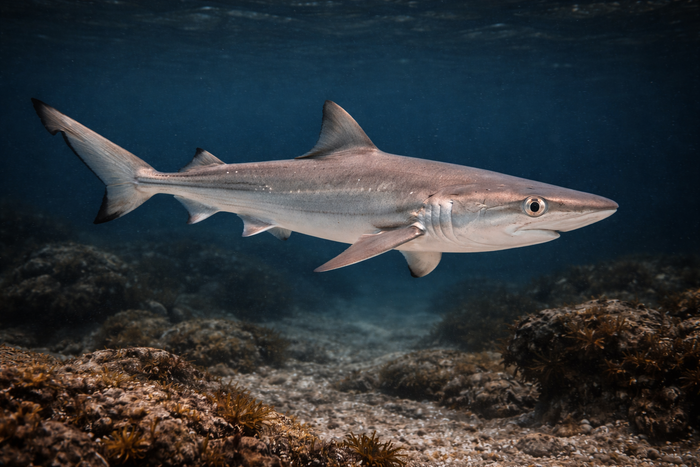
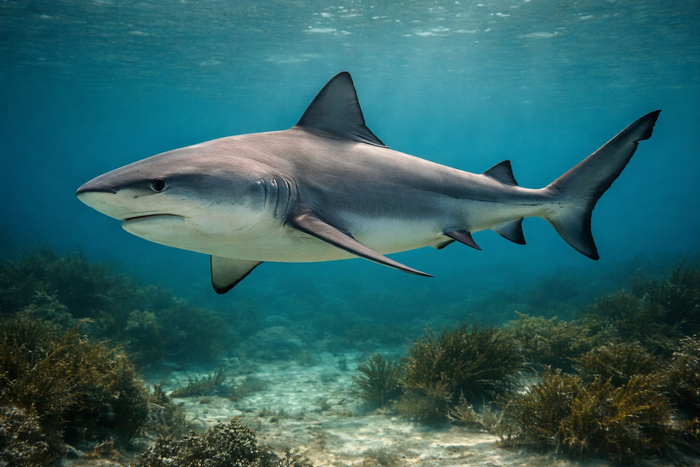
The Finetooth Shark’s claim to fame lies in its name and its hunting style. Unlike many sharks that rely on brute force, the Finetooth is a speed specialist. Its slender, torpedo-shaped body is designed for bursts of rapid acceleration, allowing it to chase down fast-moving prey like menhaden and other small schooling fish. The teeth? They’re narrow, blade-like, and perfectly suited for slicing through slippery prey rather than crushing shells or bones.
Another standout feature is its fin structure. The first dorsal fin is tall and pointed, giving it a distinctive silhouette against the water’s surface. This fin design isn’t just for show; it enhances maneuverability and stability during high-speed chases. The Finetooth Shark’s coloration—silvery sides with a white underbelly—provides excellent camouflage in the shimmering coastal waters it calls home.
Habitat & Global Range
Finetooth Sharks are coastal specialists, preferring warm, shallow waters where their preferred prey thrives. Their range extends along the western Atlantic, from the mid-Atlantic coast of the United States down through the Gulf of Mexico and into the Caribbean. They’re often found in estuaries, bays, and nearshore environments, especially during warmer months.
This shark’s habitat choice is strategic. Shallow waters offer abundant schooling fish and fewer large predators, making it an ideal hunting ground. Seasonal migrations are common, with Finetooth Sharks moving northward in summer and retreating south as temperatures drop. This pattern aligns closely with the movements of their prey species, showcasing a finely tuned predator-prey relationship.
Behavior & Temperament
Don’t expect the Finetooth Shark to be a couch potato. This species is an active hunter, relying on speed and agility rather than ambush tactics. They often hunt in small groups, which is somewhat unusual for sharks and suggests a level of social coordination during feeding.
Despite their predatory nature, Finetooth Sharks are not known to be aggressive toward humans. Their preference for small fish and their coastal habitat means encounters with swimmers or divers are rare and generally uneventful. However, their sharp teeth and quick movements mean caution is always warranted.
Reproduction is another interesting aspect of their behavior. Finetooth Sharks are viviparous, giving birth to live young after a gestation period that can stretch close to a year. This slow reproductive rate means populations can be vulnerable to overfishing and environmental changes.
Ecological Importance
The Finetooth Shark plays a crucial role in maintaining the balance of coastal ecosystems. By preying on schooling fish, they help regulate populations of species that can otherwise explode and disrupt local food webs. This predation pressure keeps prey species healthy by weeding out the weak and sick, promoting genetic fitness.
Their presence also indirectly supports commercial fisheries. Healthy shark populations contribute to the stability of fish stocks that humans rely on, making the Finetooth Shark an unsung hero in coastal marine management. Removing or drastically reducing their numbers can trigger cascading effects, leading to overpopulation of certain fish species and depletion of others.
Conservation & Environmental Pressures
Despite their ecological importance, Finetooth Sharks face a suite of threats. Coastal development, pollution, and habitat degradation hit them hard, especially since they rely on estuaries and bays for feeding and breeding. Overfishing, both targeted and as bycatch, further pressures their populations.
Their slow reproductive cycle means recovery from population declines is slow. While not currently classified as critically endangered, localized declines have been observed, raising red flags for conservationists. Protecting Finetooth Shark habitat is critical, as is enforcing sustainable fishing practices.
Marine protected areas and seasonal fishing restrictions have shown promise in stabilizing some populations. However, ongoing monitoring and public awareness are essential to ensure this species doesn’t slip quietly into decline.
The FishyAF Take
The Finetooth Shark is a masterclass in evolutionary efficiency. It’s not the biggest or most fearsome shark in the ocean, but it’s one of the fastest and most specialized. Its role in coastal ecosystems is vital, yet it flies under the radar compared to flashier shark species. If you care about healthy oceans and balanced marine life, the Finetooth Shark deserves your attention.
Understanding Finetooth Shark facts and habitat is more than trivia—it’s a window into the delicate balance of coastal waters. This shark reminds us that survival in the ocean isn’t about brute strength alone; it’s about speed, precision, and adaptability. Keep an eye out for this sleek predator next time you’re nearshore. It’s a reminder that even the ocean’s smaller players pack a serious punch.