Smooth Dogfish (Mustelus canis): The Shark You Didn’t Know You Needed to Respect
The Smooth Dogfish is not your average shark. It’s a sleek, underrated predator cruising coastal waters with a quiet confidence that often gets overshadowed by flashier shark species. But don’t let its modest size fool you. This shark packs a crucial ecological punch and sports some fascinating traits that make it a standout in the dogfish family. If you’re diving into Smooth Dogfish facts, prepare to meet a shark that’s as adaptable as it is essential.
What Makes the Smooth Dogfish Unique?
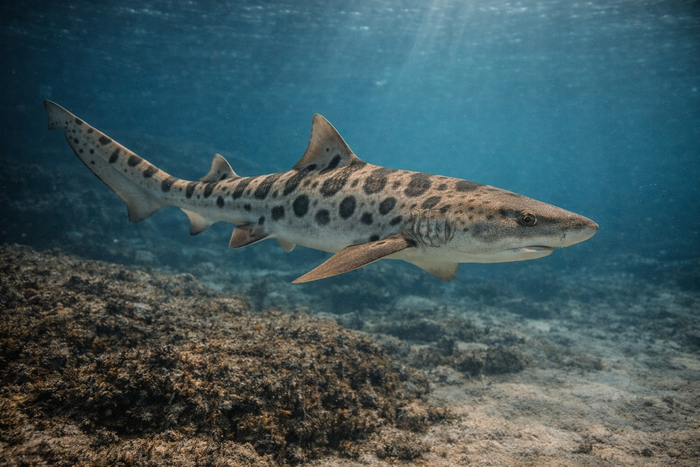
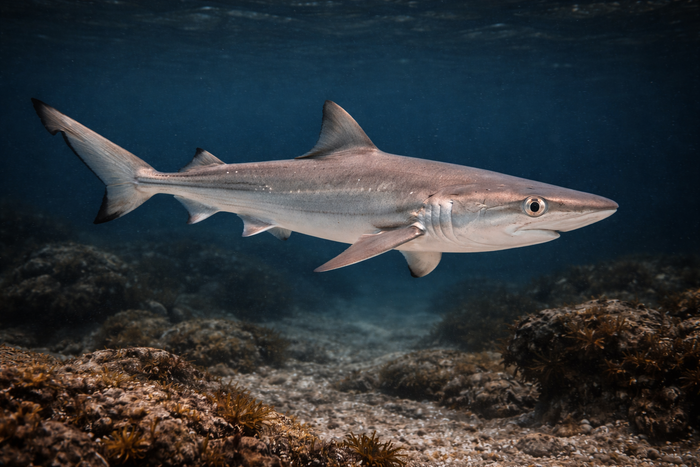
Smooth Dogfish have a streamlined body covered in tiny, smooth dermal denticles—hence the name—that reduce drag and allow for efficient swimming. Unlike many sharks with rough, sandpaper-like skin, these guys feel, well, smooth to the touch. They also have a distinctive blunt snout and two dorsal fins without spines, setting them apart from other dogfish species.
Their teeth are another highlight. Instead of the classic razor-sharp rows, Smooth Dogfish have flat, pavement-like teeth designed for crushing hard-shelled prey. This dental setup is perfect for their diet of crustaceans, mollusks, and small fish. It’s a shark built for precision, not brute force.
Habitat & Global Range
Smooth Dogfish are coastal dwellers, favoring shallow waters along the western Atlantic. Their range stretches from the cold waters off Nova Scotia down to the warm coasts of Florida and the Gulf of Mexico. They’re comfortable in estuaries, bays, and continental shelf areas, often found at depths up to 100 meters but mostly sticking to shallower zones.
Smooth Dogfish habitat is defined by sandy or muddy bottoms where their preferred prey thrives. They’re adaptable to a range of temperatures and salinities, which explains their presence in both temperate and subtropical waters. This flexibility gives them an edge in a changing ocean environment.
Behavior & Temperament
Smooth Dogfish are relatively docile compared to their more aggressive shark cousins. They’re not the type to chase down divers or cause a scene. Instead, they cruise methodically, hunting on the bottom or midwater. Their slow, deliberate movements are a study in efficiency.
Socially, they’re often found in small groups or loose aggregations, especially during mating seasons. They use internal fertilization and give birth to live young, which is a neat evolutionary twist that increases offspring survival rates.
Despite their calm demeanor, Smooth Dogfish are effective predators. Their diet includes crabs, shrimp, clams, and small fish, all of which they crush with those specialized teeth. They’re opportunistic feeders, adjusting their diet based on what’s available—a trait that helps them thrive in variable environments.
Ecological Importance
Smooth Dogfish play a vital role in coastal ecosystems. By preying on benthic invertebrates and small fish, they help maintain the balance of species populations on the seafloor. This predation controls the abundance of certain prey, preventing any one species from dominating and disrupting the habitat.
They also serve as prey for larger sharks and marine mammals, positioning them as a crucial middle link in the food web. Their presence indicates a healthy, functioning ecosystem, especially in nearshore environments where human impacts are most intense.
Conservation & Environmental Pressures
Despite their adaptability, Smooth Dogfish face mounting pressures. Coastal development, pollution, and habitat degradation threaten their nursery grounds and feeding areas. They’re also caught as bycatch in commercial fisheries targeting other species, which can impact local populations.
While not currently listed as endangered, Smooth Dogfish populations require monitoring. Their slow reproductive rate—typical of many sharks—means recovery from population declines can be sluggish. Protecting Smooth Dogfish habitat and minimizing bycatch are key steps to ensure these sharks continue their ecological role.
The FishyAF Take
The Smooth Dogfish is a shark that deserves more respect and attention. It’s a master of coastal survival, a specialist predator with a smooth edge, and a vital player in marine ecosystems. If you’re into Smooth Dogfish facts, you’ll appreciate how this species balances adaptability with ecological precision.
They’re not the headline-grabbing sharks of the ocean, but their understated presence is a reminder that every species has a role worth protecting. Next time you hear about sharks, don’t overlook the Smooth Dogfish—it’s a smooth operator that keeps coastal waters ticking.