Clearnose Skate (Rostroraja eglanteria): The Ocean’s Flat, Fearless Navigator with a Nose for Adventure
Meet the Clearnose Skate, a bottom-dwelling marvel that’s as intriguing as it is overlooked. Sporting a distinctive translucent snout that gives it its name, this skate glides across the seafloor with a grace that belies its cartilaginous skeleton. Far from your average ray, the Clearnose Skate is a master of disguise and survival in coastal waters. If you think all skates look the same, think again. This species packs a unique punch in the world of elasmobranchs.
What Makes the Clearnose Skate Unique?
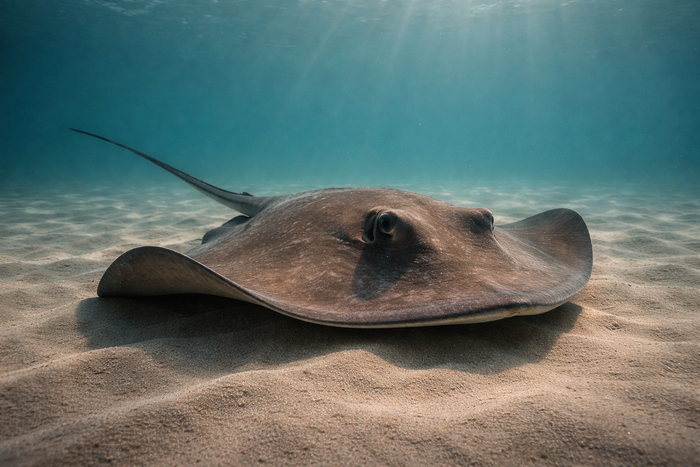
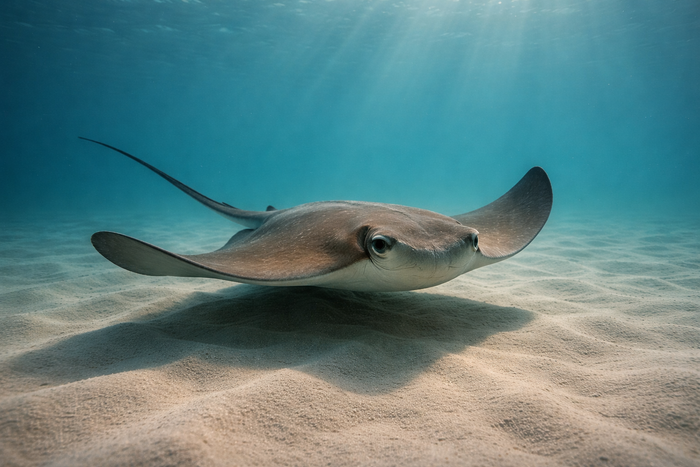
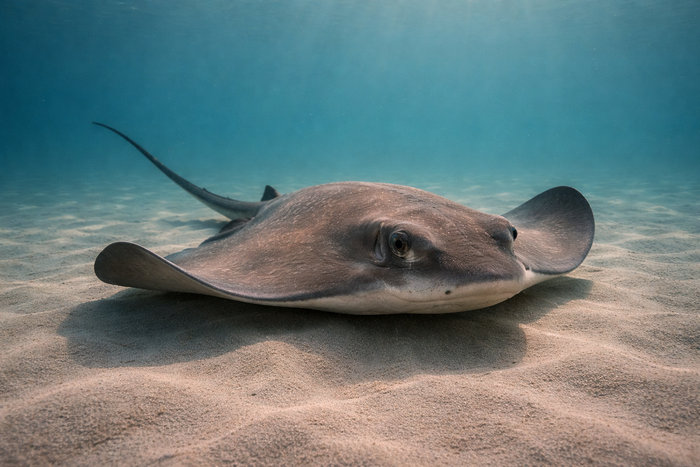
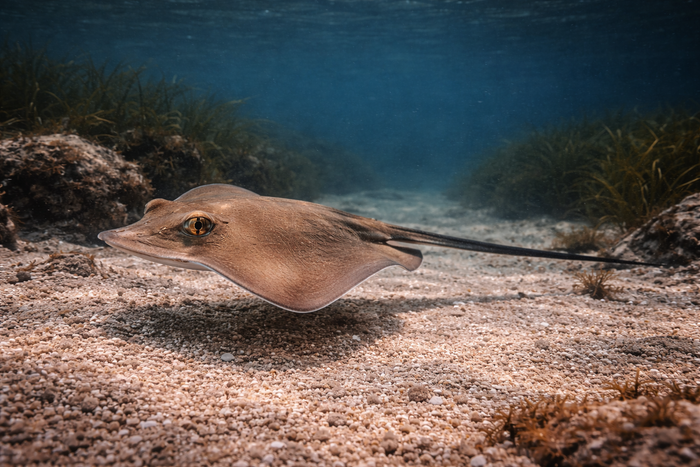
The clearnose is not just another flat fish. Its defining feature is the clear, almost glassy patch on its snout, which isn’t just for show. This translucent area is thought to aid in sensory perception, helping the skate detect prey buried in the sand. Unlike many of its relatives, the Clearnose Skate has a relatively smooth dorsal surface with small thorns concentrated along the midline and tail, giving it a sleek yet armored look.
Its coloration is a subtle mix of browns and grays, perfect for blending into sandy or muddy bottoms. But don’t mistake this camouflage for passivity. The Clearnose Skate is a skilled predator, using electroreceptors to hunt small fish, crustaceans, and mollusks. Its flattened body and wing-like pectoral fins allow it to “fly” through the water with surprising agility, making it a formidable hunter in its niche.
Habitat & Global Range
Clearnose Skate habitat is primarily along the western Atlantic coast, stretching from the cold waters off Nova Scotia down to the warmer shores of Florida and the Gulf of Mexico. This species favors shallow coastal environments, typically found from the intertidal zone down to depths of around 200 meters. They thrive on sandy or muddy substrates where they can easily bury themselves to ambush prey or avoid predators.
Their preference for temperate to subtropical waters means they experience a range of environmental conditions, from chilly northern currents to warmer southern bays. This adaptability makes the Clearnose Skate a resilient resident of coastal ecosystems, though it remains sensitive to habitat disturbances like trawling and coastal development.
Behavior & Temperament
The Clearnose Skate is a solitary creature, spending most of its time resting on the seafloor or slowly cruising in search of food. It’s not aggressive but won’t hesitate to defend itself if threatened. When disturbed, it can flap its pectoral fins to create a sudden burst of movement, confusing predators or prey.
Reproduction is a slow and steady process. Females lay distinctive egg cases known as “mermaid’s purses,” which are oblong and leathery with horn-like projections. These egg cases anchor to the substrate, where embryos develop over several months before hatching as miniature versions of adults. This reproductive strategy, while effective, means population recovery can be slow if numbers decline.
Ecological Importance
The Clearnose Skate plays a vital role in maintaining the balance of benthic ecosystems. As a mid-level predator, it helps control populations of small fish and invertebrates, preventing any one species from dominating the seafloor community. Its feeding habits contribute to nutrient cycling by disturbing sediment layers, which promotes oxygenation and supports microbial life.
Moreover, skates like the Clearnose serve as prey for larger predators such as sharks and marine mammals, linking different trophic levels in the food web. Their presence is an indicator of healthy coastal habitats, reflecting the overall biodiversity and stability of these environments.
Conservation & Environmental Pressures
Despite its adaptability, the Clearnose Skate faces several threats. Bycatch in commercial fisheries is a significant issue, as these skates often get caught in trawl nets targeting other species. Habitat degradation from coastal development, pollution, and bottom trawling further jeopardizes their populations by destroying essential breeding and feeding grounds.
Currently, the Clearnose Skate is not listed as endangered, but localized declines have been reported in some areas. Conservation efforts focus on sustainable fishing practices, habitat protection, and monitoring population trends. Protecting the Clearnose Skate means preserving the intricate web of life along our coasts, where every species counts.
The FishyAF Take
The Clearnose Skate is a prime example of nature’s subtle brilliance. It’s not flashy or oversized, but it commands respect through its specialized adaptations and ecological role. If you’re diving or fishing along the Atlantic coast, keep an eye on the seafloor—you might just spot this translucent-nosed navigator blending seamlessly into its world.
Understanding clearnose skate facts and their habitat is crucial for appreciating how these creatures fit into the bigger marine picture. They remind us that even the most unassuming species have stories worth telling and roles worth protecting. In a sea full of sharks and flashy fish, the Clearnose Skate holds its own with quiet confidence and a clear nose for survival.